

 Back to Blogs
Should You Replace Windows or Siding First? Avoid Mistakes
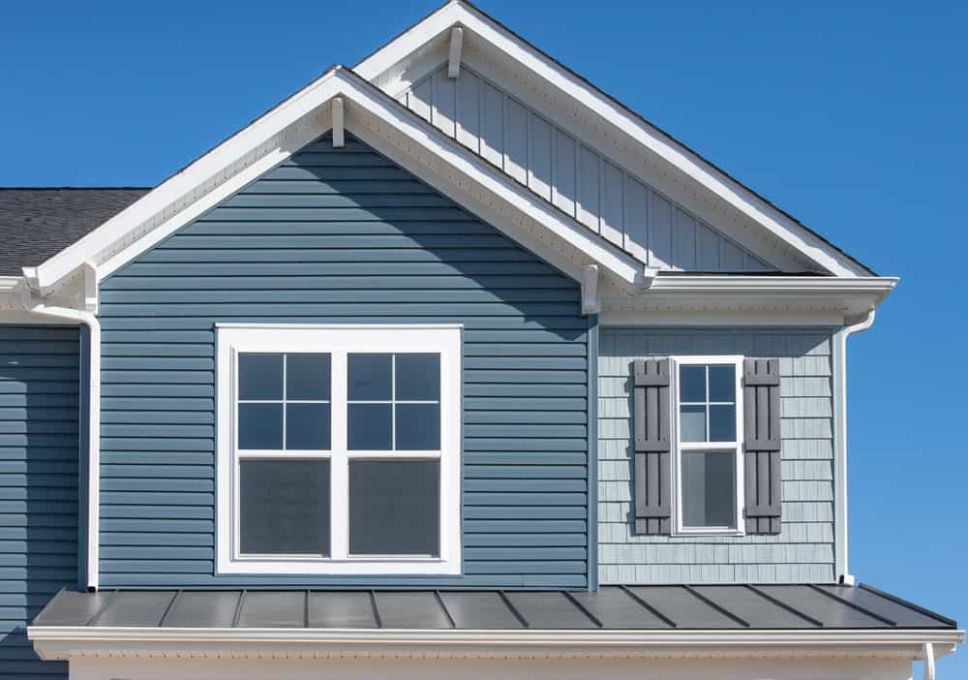
When it comes to home renovations, replacing windows and siding are two popular upgrades that can boost appearance, energy efficiency, and home value.
If you're unsure which to tackle first, you might be wondering: Should you replace your windows or siding first?
In this article, we’ll explore factors to help you decide the best order for these projects and discuss the benefits of each.
Should you replace windows or siding first?
It's generally better to replace windows first. This way, you can ensure they fit properly and avoid disturbing the new siding when doing the window installation.
Key Takeaways
- Replacing windows first may be ideal for improving energy efficiency and reducing heating and cooling costs.
- Replacing siding first is often recommended if you’re looking to improve the exterior appearance or prevent weather damage.
- The order of replacement largely depends on the condition of your home’s exterior, budget, and long-term goals.
Understanding the Importance of Windows and Siding
Both windows and siding play important roles in your home’s performance.
Windows help regulate temperature, bring in natural light, and allow for proper airflow. If you're considering window replacement in West Chester PA, it's also a good time to evaluate your siding, which protects your home from the elements and boosts curb appeal.
Why Replace Windows?
Replacing old or inefficient windows can drastically improve your home's energy efficiency, and pairing that upgrade with siding replacement in Pottstown can boost both comfort and curb appeal.
If your windows are drafty, outdated, or have broken seals, scheduling a window replacement in Morrisville can help prevent cold air from seeping in during winter and hot air during summer, ultimately lowering your energy bills.
Energy Efficiency: Installing newer windows—especially energy-efficient ones—can help keep your indoor temperature stable, cutting down on heating and cooling needs. It’s also a smart move if you’re planning the time to install a patio door, since both upgrades work hand in hand to improve comfort and energy savings.
Aesthetics: Modern windows can improve your home’s overall appearance, giving it a more polished and updated look.
Soundproofing: New windows can help reduce noise from outside, creating a quieter and more comfortable living environment.
Why Replace Siding?
Siding acts as your home’s protective shield, guarding it against rain, wind, snow, and harsh sunlight. If you ever need to replace window without removing siding, understanding how siding works becomes even more important.
If your exterior is showing signs of wear—like cracks, fading, or damage—it might be time to consider a siding replacement service in Norristown to restore both your home’s insulation and curb appeal.
Protection from the Elements: The primary role of siding is to protect your home from external weather conditions.
Damaged siding can allow moisture to enter your home, leading to mold, rot, or structural damage.
Energy Efficiency: New siding, when combined with proper insulation, can help regulate indoor temperatures, keeping your home warmer in the winter and cooler in the summer.
Curb Appeal: Replacing old or damaged siding can enhance your home’s appearance, increasing its value and making it more attractive to potential buyers.
Should You Replace Windows or Siding First?
When deciding whether to replace your windows or siding first, it's helpful to consider several key factors, such as the overall condition of the structure, your budget, and your long-term goals, especially when determining the right time to renovate your home.
Let’s look at some of the key considerations to help you determine which project should come first, especially if issues like gutter overflowing are already causing problems around your home.
Condition of the Existing Windows
If your current windows are drafty, leaking, or damaged, addressing them first could be the smartest move—especially when considering the overall cost to replace windows in a home.
Windows that are old or inefficient can compromise the comfort and energy efficiency of your home.
By replacing them first, you can immediately start benefiting from reduced energy costs and improved insulation, especially when considering How siding replacement protects your home’s structural integrity if you are also planning to upgrade your home’s exterior.
Signs that Windows Should Be Replaced First:
- Noticeable drafts or temperature fluctuations near the windows.
- High energy bills are due to poor insulation.
- Windows are difficult to open or close, or have broken seals.
Condition of the Existing Siding
If your siding is cracked, warped, or peeling, replacing it first may be more important.
Damaged siding can expose your home’s exterior to moisture, which can cause rot, mold, or even damage to the underlying structure. That’s why it’s crucial to act fast with an affordable siding replacement service in Philadelphia. Not only will it protect your home from costly repairs down the line, but it will also boost curb appeal without breaking the bank.
New siding can also provide a fresh, clean look to your home’s exterior, improving its curb appeal—especially when paired with upgrades like a garage door replacement in Lansdale for a cohesive finish.
Signs that Siding Should Be Replaced First:
- Visible cracks, warping, or peeling paint.
- Signs of water damage or mold growth.
- The siding is outdated and detracts from your home’s curb appeal.
Energy Efficiency Goals
If your primary goal is to improve energy efficiency, you may want to replace your windows first.
Older windows tend to be the main culprits when it comes to energy loss. Installing new, energy-efficient windows can immediately help to reduce your heating and cooling costs.
That said, if your siding is old or damaged, it might be worth replacing that first—especially if you plan to add insulation behind the siding to further improve energy efficiency. In fact, many homeowners considering siding replacement in West Chester PA find that upgrading both siding and insulation at the same time leads to better long-term results.
New siding can work hand-in-hand with new windows to create a more energy-efficient home.
Budget Considerations
The cost of replacing windows or siding can vary significantly depending on the type of materials and the size of your home. Similarly, projects like door replacement in Philadelphia may also fluctuate in price based on design, materials, and installation needs.
If you have a limited budget, you may need to prioritize one project over the other.
Replacing Windows First: Windows tend to be a more expensive investment, particularly if you’re opting for high-quality, energy-efficient models.
While the upfront cost may seem high, it's worth spending for replacement windows as they can lead to significant long-term savings on your energy bills.
Replacing Siding First: Siding can also be costly, but it may offer more immediate visual impact.
If your siding is damaged or looks worn out, replacing it with the right option can dramatically improve your home’s appearance. Considering factors like vinyl siding thickness ensures both durability and a polished finish.
If you notice your vinyl siding changing shape or developing waves during hot weather, you may also be wondering, Why Is My Vinyl Siding Buckling During Summer Heat? Understanding the effects of heat and improper installation can help you identify the cause and determine whether repairs or replacement are needed.
Long-Term Value and Return on Investment (ROI)
Both window and siding replacements offer good return on investment, but the ROI can depend on your location and the condition of your home.
In some cases, replacing siding can offer a higher return on investment because it boosts curb appeal and protects your home from the elements.
When to Replace Siding First: If your home’s exterior is in poor condition, replacing the siding can provide a significant increase in your home’s value.
New siding can make a home look more modern and well-maintained, which can help it sell faster or increase its resale value.
When to Replace Windows First: If you’re aiming to boost energy efficiency, it’s often smart to get replacement windows in Philadelphia before tackling other upgrades. New windows can significantly cut down heating and cooling costs.
Energy-efficient windows are attractive to buyers and may boost your home’s market value.
Frequently Asked Questions
1. Can I replace the windows and siding at the same time?
Yes, you can replace both windows and siding at the same time. This can save you money on labour costs and make the overall renovation process more efficient.
2. What is the best time of year to replace windows or siding?
The best time to replace windows or siding is during the spring or fall when the weather is mild. This ensures that the materials are properly installed and that any weather-related issues are minimized.
3. How long does it take to replace windows or siding?
The time required to replace windows or siding depends on the size of the project. On average, it can take anywhere from a few days to a couple of weeks for a professional to complete the job.
Conclusion
Choosing whether to replace windows or siding first depends on a variety of factors, including your home’s current condition, your budget, and your long-term goals for energy efficiency or aesthetics.
If you’re looking to improve energy efficiency, start with the windows, as they can offer immediate savings on heating and cooling costs.
If you’re more concerned with the exterior appearance of your home or preventing weather-related damage, replacing the siding first might be the better option.
Regardless of the order, both projects offer significant benefits and can greatly enhance your home’s overall value and comfort.
Always make sure to consult with professionals to ensure that the job is done right, and consider how each project will contribute to your home’s long-term performance and curb appeal.