

 Back to Blogs
Why Is Water Pooling Near My Philadelphia Home After Heavy Rain?
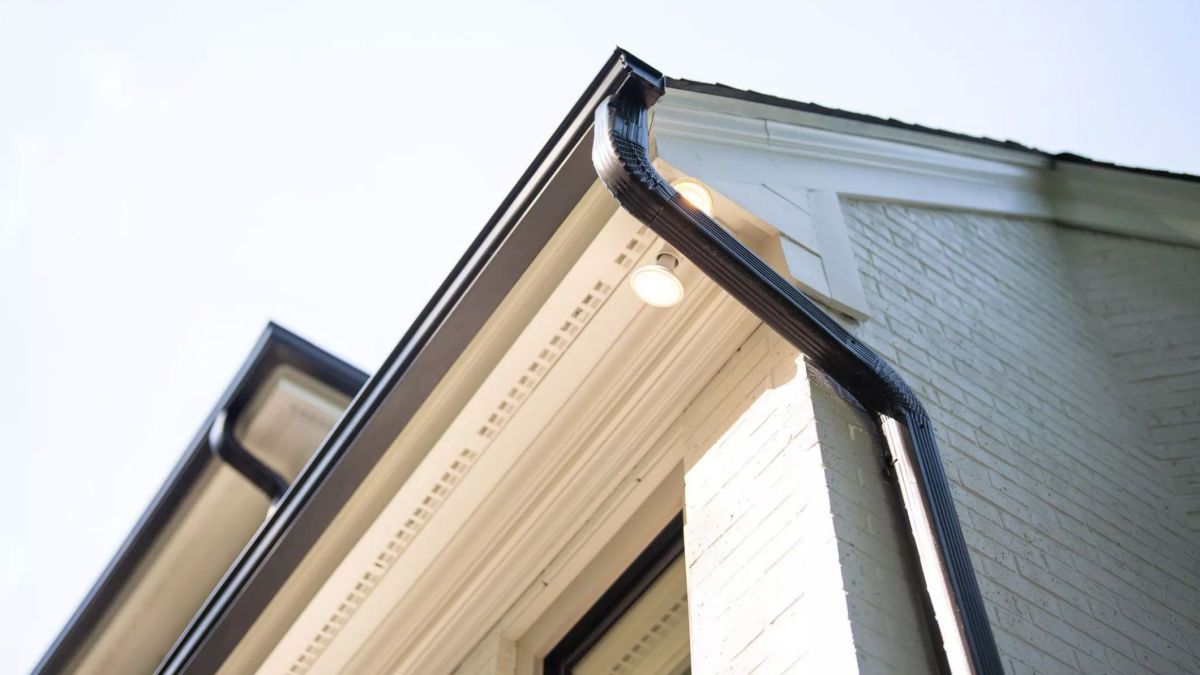
After a heavy Philadelphia rainstorm, seeing water in the yard isn't unusual. But if puddles keep forming beside your house, near the foundation, or underneath the gutters, you may have a drainage problem worth looking into.
Water pooling around your house in Philadelphia can happen for several reasons, and where the water collects can give you a good idea of where to start.
Heavy rain can expose problems with gutters, downspouts, and the way water moves across your property. A clogged gutter may overflow, a downspout may release water too close to your house, or the ground may direct runoff toward the foundation. Following the water from the roof to the ground can help you narrow down the cause.
What Can Cause Water to Pool Around Your Philadelphia Home?
Rainwater can collect around your home for several reasons. Gutters and downspouts are a good place to start, but your yard's slope, heavy rainfall, and existing drainage conditions can also play a role.
Your Gutters Are Overflowing
Gutters move rainwater from your roof toward the downspouts. Leaves and debris can block that flow, causing water to spill over the sides. Look for wet siding, streaks along the fascia, or puddles below the gutter. Repeated overflow may point to a clog, poor slope, limited capacity, or another gutter issue.
Your Downspouts Are Too Close to the House
Even properly working gutters can leave standing water if downspouts release runoff beside the foundation. Watch where the water exits during a storm. If the same spot keeps collecting water, the discharge point may need attention. Roof runoff should move away from the house rather than collect beside it.
The Ground Is Sloped Toward Your House
Your gutters may be working properly while the ground sends water back toward the house. Low spots, settled soil, and landscaping changes can affect runoff. If water repeatedly collects in the same depression, the property's grading may be contributing to the problem.
Heavy Rain Is Overwhelming the System
A drainage problem may not be obvious during light rain but can become clear during a major storm. Your roof can send a large amount of water through the gutters in a short time. If the system cannot move it quickly enough, overflow can occur even without a blockage.
Leaves and Debris Are Blocking the Flow
Leaves and debris can slow water enough to cause gutter overflow during heavy rain. If the gutters are safely accessible, check for visible buildup. Continued overflow after cleaning may point to the gutter's capacity, slope, design, or downspouts instead.
The Problem May Be Beyond the Gutters
Not every puddle starts at the roof. Poor drainage elsewhere on your property or a naturally low area can also send water toward the foundation. Follow the water from the roof to the ground. Where it starts, flows, and collects can help you determine whether the issue is with the gutter system or the property's overall drainage.
When Water Keeps Coming Back
A puddle that disappears after a storm may not be a major concern. But if the same area keeps collecting water, pay attention to where it's coming from and where it is supposed to go. Checking the gutters, downspouts, and surrounding ground can help you narrow down the source instead of simply dealing with the puddle each time it rains.
Need Help With Your Gutters?
If heavy rain keeps leaving water around your home, Window World of Philadelphia can help you take a closer look at your gutter system. Contact the team for a Free Quote and find out what may be contributing to the problem.
Frequently Asked Questions
-
Common causes include overflowing gutters, blocked or poorly positioned downspouts, low areas in the yard, and ground that directs runoff toward the foundation. More than one issue can contribute at the same time.
-
Yes. When gutters overflow or downspouts release water too close to your home, runoff can collect around the foundation and leave the surrounding soil saturated.
-
Not necessarily. Pooling can result from debris, downspout placement, gutter capacity, grading, or other drainage issues. It is better to identify the cause before deciding whether replacement is necessary.
-
Start by checking your gutters and downspouts, then watch where water travels across the ground during a storm. Repeated pooling may point to a drainage or gutter issue that needs further attention.
-
Recurring or long-lasting standing water deserves attention. Keeping the soil around your foundation wet can contribute to moisture problems, erosion, and other drainage concerns over time.