

 Back to Blogs
Why Is Water Running Behind My Gutters Instead of Through Them?
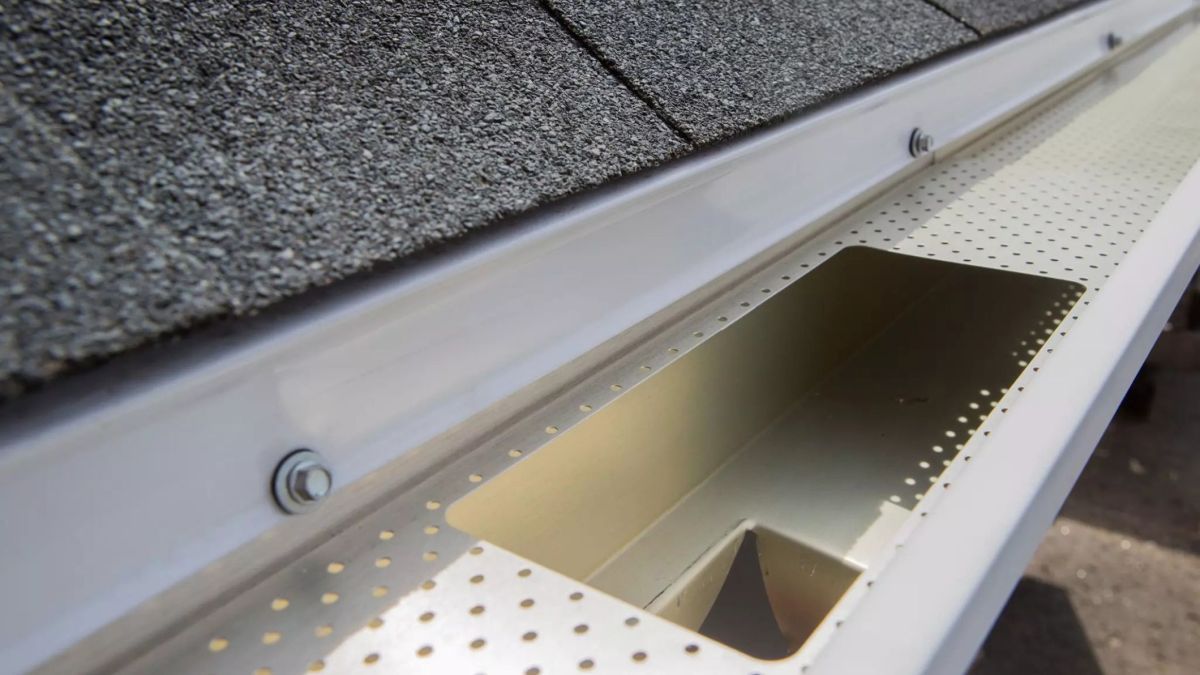
You may notice it during the next downpour: water is coming off the roof, but instead of flowing neatly into the gutter, it is running down the wall behind it. That can leave you wondering whether the gutter is clogged, loose, poorly positioned, or simply unable to handle the amount of rain coming off your roof. Water running behind gutters usually signals that something needs a closer look.
Quick Overview
Water can get behind a gutter for several reasons, including gaps at the roof edge, sagging sections, incorrect slope, heavy runoff, or debris blocking the channel. The good news is that the location and pattern of the water can often point you toward the underlying issue.
Why Is Water Running Behind Your Gutters?
Where you see the water can offer a clue. Water along the back edge, down the siding, or beneath the fascia may point to a gutter or roofline issue rather than a clog.
Your Gutters Have Pulled Away From the House
Gutters need to stay securely attached to the fascia, so water flows into the channel. Over time, water, debris, or ice can cause sections to sag or pull away.
Look for visible gaps between the gutter and fascia. Water running down the siding beneath one section is another clue that the gutter may no longer be sitting correctly.
The Gutter Pitch Is Off
Gutters need a slight slope so water moves toward the downspouts. If a section has shifted or sagged, water can sit in the channel instead of draining properly. Standing water or overflow in one section can point to a pitch problem.
There Is a Gap Between the Roof and Gutter
A gutter can be securely attached and still allow water behind it if the roof edge does not direct runoff into the channel. This can happen when the gutter sits too low or the roof edge is damaged. If water consistently appears behind the same section, the roof-to-gutter connection deserves attention.
Heavy Rain Is Overwhelming the System
Sometimes the gutter is not leaking. There is simply more water arriving than the system can move quickly enough. Large roof areas, steep sections, or too few downspouts can cause overflow. If water only runs behind the gutter during intense storms, capacity may be part of the problem.
Debris Is Blocking the Flow
Leaves and twigs can slow water before it reaches the downspout. Backed-up water may then spill over or flow behind the gutter. If safely accessible, look for visible buildup. If the gutters are clear but water still escapes, the issue may involve slope, attachment, capacity, or the roof-to-gutter connection.
The Fascia or Roof Edge Is Damaged
The fascia is the board behind the gutter, so damage here can affect how securely the gutter sits. Rot, cracks, or deterioration can create gaps or weaken the fasteners holding it in place. If the gutter is pulling away or the area behind it looks damaged, the problem may involve more than the gutter.
When Should You Have the Gutters Checked?
Repeated water running behind gutters deserves attention. Have the system checked if you notice:
- Water running down the siding behind the gutter
- Gaps between the gutter and fascia
- Gutters that sag or pull away
- Standing water in the gutter after rain
- Repeated overflow even after cleaning
Why It Is Worth Addressing
Water repeatedly getting behind the gutter is more than a drainage annoyance. Continued moisture can affect the roof edge, fascia, siding, or foundation.
Identifying whether the issue is debris, incorrect pitch, loose attachments, limited capacity, or damage can help you determine the right solution. If the existing gutters are worn out or cannot handle your home's drainage needs, upgrading to a new gutter system may help direct rainwater away from your roofline and foundation more effectively.
Need Help With Your Gutters?
If water keeps getting behind your gutters, Window World of Philadelphia can help you take a closer look at the system. Contact the team for a Free Quote and find out what may be causing the problem.
Frequently Asked Questions
-
Common causes include gutters pulling away from the fascia, incorrect pitch, gaps at the roof edge, heavy runoff, and debris blocking the flow.
-
Look for gaps between the gutter and fascia, sagging sections, or water running down the siding behind the gutter. These signs are easier to spot after rain.
-
Yes. Debris can block the flow and cause water to back up, overflow, or escape behind the gutter.
-
Gutters should move water toward the downspouts. Persistent standing water can indicate a slope or blockage.
-
Not always. Cleaning or securing a loose section may solve the problem. Damaged or sagging gutters may need replacement.