

 Back to Blogs
How Can You Tell If a Roof Leak Is Coming From Your Shingles, Flashing, or Gutters?
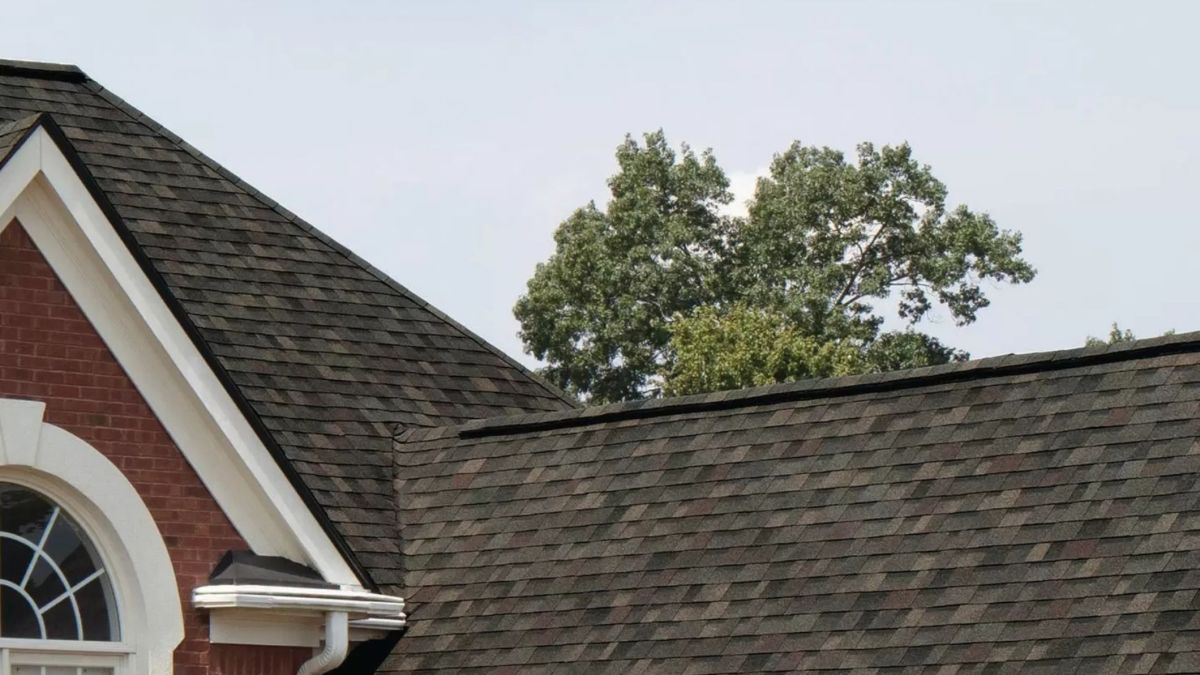
Water inside your house doesn't automatically mean the shingles are the problem. Damaged roofing, loose flashing, or an overflowing gutter can all put water where it does not belong. The signs of a roof leak can give you useful clues, but the place where you see water may not be where it entered.
Quick Overview
Shingles, flashing, and gutters can all contribute to roof-related water problems. Look for visible roofing damage, gaps around flashing, overflowing gutters, and stains that appear after rain. These clues can help narrow down the likely source.
Where Should You Look for the Source of a Roof Leak?
Water does not always travel in a straight line. It can move beneath shingles or along framing before reaching a ceiling or wall.
Start With the Shingles
Look for shingles that appear damaged or out of place. Worn areas or an unusual amount of shingle granules in the gutters can also point to roof deterioration. These can signal developing roof damage.
Check the Flashing Around Roof Openings
Flashing is used where the roof meets another surface or where something passes through it, such as a chimney or vent. Look for flashing that appears loose, lifted, cracked, or separated from nearby materials. Water stains near a chimney or below a roof opening can also point toward a flashing problem.
Take a Look at the Gutters
Gutters carry rainwater away from the roof and foundation. When leaves and debris block them, water may overflow instead of draining properly.
Check for gutters that spill over during rain, sag, pull away from the roofline, or hold standing water. Heavy granule buildup can also indicate that shingles are wearing down.
A gutter problem is not always the source of a roof leak, but poor drainage can contribute to water getting into areas around the roof edge.
Pay Attention to Ceiling and Wall Stains
Brown or yellow stains, bubbling paint, damp drywall, or a musty smell can be signs that water is getting inside.
If a stain becomes darker after rain or keeps returning, it deserves attention even if the area eventually dries.
Look at What Happens After a Storm
From the ground, you can safely look for obvious missing shingles, sagging gutters, or debris around the roofline. Avoid climbing onto a steep or damaged roof.
Shingles, Flashing, or Gutters: What Do the Signs Suggest?
| Possible source | Signs to look for |
| Shingles | Cracking, curling, missing shingles, worn areas, or excess granules |
| Flashing | Gaps, lifted sections, corrosion, or stains near roof openings |
| Gutters | Overflowing water, clogs, sagging, standing water, or separation |
When Should You Have the Roof Checked?
Some signs of a roof leak are easy to dismiss because the water disappears when the weather clears. That does not necessarily mean the underlying issue has gone away.
Have the roof checked if you notice:
- A ceiling or wall stain that returns after rain
- Visible shingle or flashing damage
- Water entering during or after storms
- Gutters that repeatedly overflow
- Dampness or bubbling paint indoors
Don't Ignore the First Signs
You do not need to know exactly where a leak starts to know that something needs attention. The signs of a roof leak can appear in several places.
If you have noticed recurring water stains, damaged roofing, or problems after a storm, getting the source checked can help you understand what needs attention before the damage spreads.
Need a Closer Look at Your Roof?
If you see signs of a roof leak or are concerned about storm damage, Window World of Philadelphia can help you determine what your roof may need. Contact the team for a Free Quote and take the next step.
Frequently Asked Questions
-
Clogged or overflowing gutters can direct water toward the roof edge and contribute to water intrusion. The surrounding roofing and drainage system should also be checked to find the actual source.
-
Look for missing, cracked, curled, or visibly damaged shingles, especially if you notice stains after rain. Water can travel beneath the roof, so visible damage may not show the exact entry point.
-
Damaged flashing may look loose, lifted, cracked, corroded, or separated from nearby roofing materials. Staining around chimneys, vents, or other roof openings can also signal a problem.
-
A small stain can still indicate water intrusion. If it returns after rain, grows larger, or feels damp, have the area checked rather than simply painting over it.
-
Address a suspected leak promptly when water is actively entering the home. Delaying repairs can allow moisture to affect drywall, insulation, and framing.