

 Back to Blogs
Why Is My Gutter Overflowing?
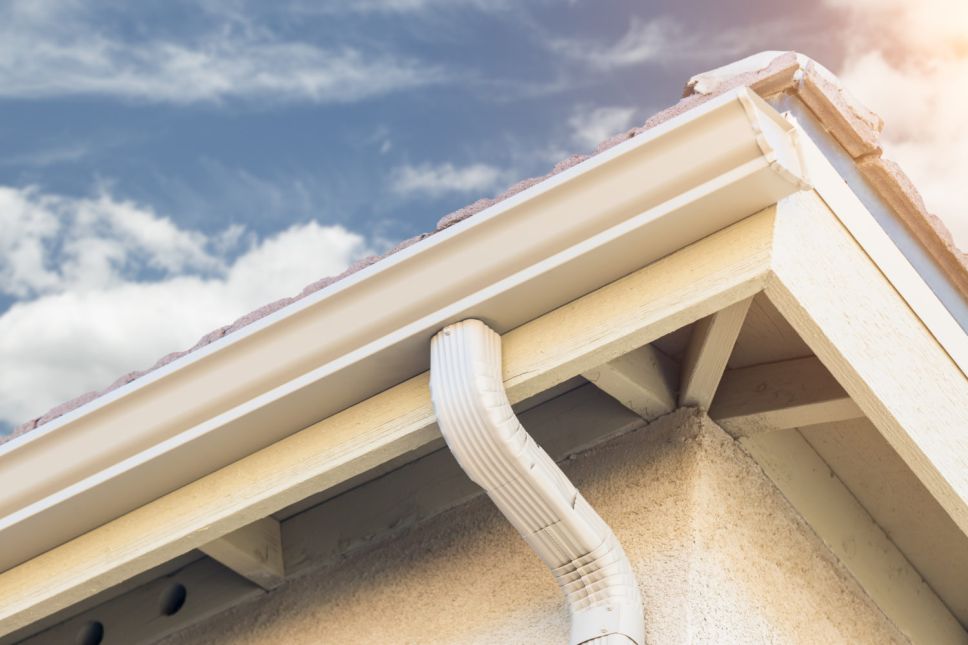
When your gutters start spilling water instead of guiding it away, it’s more than just an annoying drip. Overflow can damage your roof, siding, and even your home’s foundation.
The good news? Most causes are simple to fix once you know what to look for and how to stop it.
Why is my gutter overflowing?
Most gutters overflow due to clogs, poor slope, small size, or blocked downspouts. Cleaning, repairs, or upgrades usually solve it.
Key Takeaways
- Gutters overflow when clogged, undersized, sagging, or poorly installed.
- Downspout blockages and too few exits cause water backup.
- Heavy rain, snow, and ice dams can overwhelm even clean gutters.
- Overflow risks roof, siding, foundation damage, and pest issues.
- Fixes include cleaning, adjusting slope, adding downspouts, or upgrading gutter size.
- Prevent problems with seasonal cleaning, gutter guards, and inspections.
Common Reasons for Gutter Overflow
1. Clogged with Leaves and Debris
Leaves, twigs, and even that random tennis ball from last summer can easily clog a gutter and stop water from flowing properly. When the channel gets packed, rainwater has nowhere to go except over the edge, which is why understanding How gutter replacement helps protect your home’s foundation can make a big difference in preventing costly water damage.
The solution? Clear out the debris on a schedule or consider professional gutter replacement in Morrisville. It’s like giving your roof a pair of sunglasses, keeps the gunk out while letting rain flow freely.
2. Gutters Too Small
Some houses have skinny gutters that just can’t keep up with heavy rain.
It’s like pouring a pint into a shot glass—overflow is inevitable.
If you live in an area that often experiences severe storms, consider upgrading to wider gutters. Investing in gutter replacement in Pottstown can provide the extra capacity your home needs to handle heavy rainfall, more room, and less chaos.
3. Bad Pitch or Slope
Water only flows when gravity gets its way. If your gutters are too flat or angled wrong, water hangs around.
The result? Overflow and that swampy vibe right at your foundation.
A pro can re-hang the system or adjust the slope so water flows effortlessly, much like a slip-and-slide, especially important if you’re planning any gutters replacement in Doylestown.
4. Downspouts Blocked or Too Few
Even if gutters are clear, downspouts can bottleneck the whole system.
One clog in the pipe and you’ve basically built a rooftop infinity pool.
Check for blockages and add extra downspouts if needed. It’s like adding more exits at a concert; everyone (including the rain) gets out faster. If the issues keep piling up, it might be time to consider a full gutter replacement in Levittown to keep water flowing the way it should.
5. Sagging Gutters
Over time, gutters can sag from weight, loose screws, or cheap install jobs.
A sag creates a dip where water collects, then spills right where you don’t want it.
Tighten the brackets or replace sagging sections. Think of it as a facelift for your gutters.
6. Ice Dams in Winter
In cold climates, melting snow refreezes at the gutter edge, forming ice dams.
Water builds up behind the ice wall and cascades over like a mini waterfall.
The cheat code? Insulate your attic and keep the roof cold enough to stop uneven melting.
Structural or Installation Issues
Sometimes, the problem isn’t leaves or debris, it’s the way your gutters were installed. If the slope’s off, water won’t flow to the downspouts. Instead, it’ll sit there like a lazy roommate, overflowing when it rains.
Loose or sagging sections are another headache. If the brackets holding the gutters aren’t tight, the whole system tilts. That tilt sends water spilling over the edge instead of down the drain.
Size matters too. Undersized gutters can’t keep up with heavy rain, so even a light storm makes them overflow. Think of it like trying to chug from a shot glass.
The fix starts with checking whether your gutters sit straight and secure. Tighten any loose brackets and confirm they slope slightly toward the downspouts so water drains properly. If your home has small gutters on a large roof, upgrading to a wider style often helps, and watching for Signs You Need Gutter Replacement Before It’s Too Late can guide you on whether a full replacement might be the smarter move.
If you’re not sure, bring in a pro for an inspection. Sometimes it takes a trained eye to spot bad installation or hidden damage. A professional can also explain what is a seamless gutter and whether upgrading to one could prevent future issues. Spending a little on fixing structure now saves you from water damage, flexing its way into your walls later.
Weather-Related Factors
Heavy rain is the usual suspect when your gutters start spilling over. If water’s coming down faster than your system can handle, you’ll see the overflow.
Snow and ice aren’t innocent either. Ice dams can block the flow, trapping meltwater and forcing it to spill over the sides.
Strong winds can push leaves, twigs, and roof grit into your gutters, causing clogs and drainage issues. The fix? Keep them clear before storm season hits and consider installing gutter guards or upgrading to K-style gutters if debris buildup is a frequent problem.
Risks of Ignoring Overflowing Gutters
Overflowing gutters aren’t just messy, they’re a slow-motion home disaster. Water spilling over the edge can creep into your walls, causing mould and warped wood.
That same water can pool around your foundation, cracking concrete and messing with your home’s stability. Not a cheap fix.
Leave it long enough and you’ll also invite pests who love damp spots. The smart move? Keep gutters clear and snag a quick inspection before a small drip turns into a wallet-busting problem.
How to Prevent Gutter Overflow
Keep your gutters clear. A quick scoop-out every season saves you from waterfalls during the next storm.
Angle matters. Make sure your gutters tilt slightly toward the downspout, so water actually moves instead of chilling up top.
Add gutter guards if you’re sick of scooping leaves. Think of them as a cheat code for low-maintenance gutters.
And don’t sleep on the downspouts. If they’re clogged or too short, water’s going to back up and flood your siding.
Looking to replace your home’s gutter system? Call Window world for a free quote for new gutters.
Conclusion
Overflowing gutters aren’t just an eyesore, they’re a red flag for bigger home issues. Regular cleaning, proper slope, and good downspout flow keep things smooth.
Stay ahead with routine checks, and you’ll dodge the stress of water damage and pricey repairs. A little upkeep now is the cheat code to avoiding major headaches later.
Frequently Asked Questions
-
Usually, it’s clogged with leaves or debris. A quick clean-out often fixes it.
-
Yep. If gutters aren’t sloped right, water pools instead of flowing.
-
Maybe. If yours are too small for heavy rain, upgrading is the move.