

 Back to Blogs
What Is the Rough Opening of a Window?
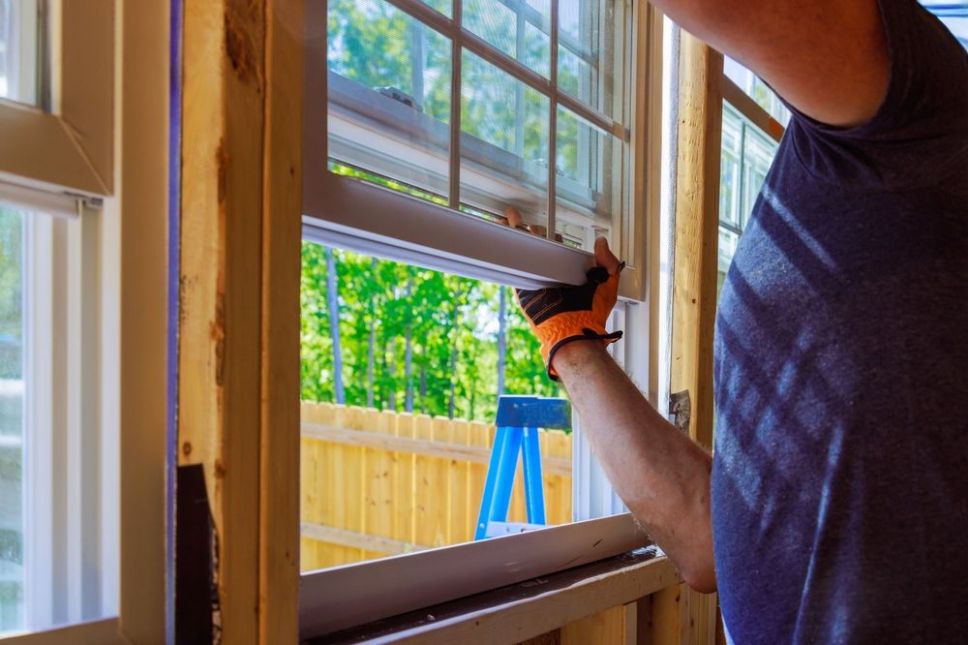
Installing new windows or replacing old ones isn’t just about picking the right style. You also need to know the rough opening, the framed space that holds your window in place.
Get this wrong and you’ll deal with drafts, leaks, or costly fixes. This guide clears it up.
What Is the Rough Opening of a Window?
A rough opening is the framed cut-out in a wall, sized about ¼–½ inch bigger than the window, to allow proper fitting, shims, and insulation.
Key Takeaways
- A rough opening is the framed cut-out in a wall where a window is installed.
- It’s slightly larger than the window size to allow shims, insulation, and proper alignment.
- Standard openings are usually ¼–½ inch bigger than the window dimensions.
- Accurate measurement prevents drafts, leaks, crooked installs, and costly fixes.
- Measure width, height, and depth at multiple points, using the smallest number.
- Wall type, manufacturer specs, and existing frame condition affect the opening size.
- Leaving clearance space ensures smooth installation and long-term performance.
What Is a Rough Opening?
A rough opening is basically the cut-out space in your wall where a new window will live. Think of it as the frame’s parking spot, not the finished showcase.
It’s usually a bit bigger than the actual window size. That extra room gives installers space to slide the unit in, square it up, and add insulation.
Get the measurements wrong, and you’ll deal with drafts, leaks, or worse, a window that doesn’t even fit. Nail the rough opening, and the rest of the install feels smooth, like slipping on a suit tailored to your shoulders.
Standard Rough Opening Sizes
Most windows stick to a playbook, so you don’t have to reinvent the wheel. A common double-hung window, for example, usually calls for a rough opening that’s about half an inch wider and taller than the actual window size.
Think of it like buying sneakers, you need that little extra room so they fit just right. A 24x36-inch window? The rough opening would be around 24.5x36.5 inches.
Manufacturers drop size charts that make life easier, so always check before framing.
Stick with these standards and you’ll save yourself from drywall headaches and trim gaps later. It’s the cheat code for a snug, pro-looking install.
Why the Rough Opening Matters
Think of the rough opening as the cheat code that makes your window fit like a tailored suit. If it’s too small, your installer is forcing a square peg into a round hole. Too big, and you’re basically gifting air leaks and higher bills.
A well-measured rough opening saves you from squeaky frames, drafty nights, and endless caulking. It also makes installation smooth, cutting down on time and mistakes.
Bottom line, get this step right and your window will flex both style and performance. Skip it and you’re in for frustration, wasted cash, and a view framed by regret instead of clean lines.
How to Measure a Rough Opening
Grab a tape measure and start with the width. Measure from stud to stud inside the framing, not the drywall. Do it in three spots, top, middle, and bottom, and use the smallest number you see.
Next, check the height. Measure from the sill plate at the bottom to the header at the top. Again, take readings from both sides and the center, then go with the shortest one.
Finally, measure depth. That’s the wall thickness from inside to outside. Most are standard, but it’s worth double-checking. Getting these numbers right saves you from a window that doesn’t fit, which is basically the home-improvement equivalent of buying sneakers a size too small.
Rough Opening vs Window Size
Here’s the cheat code: your rough opening should be slightly bigger than the actual window. Why? Because windows need breathing room for shims, insulation, and a clean fit.
Think of it like sneakers. If you buy a pair that’s exactly your foot size with zero wiggle room, you’ll be limping by the end of the day. Same with windows, too tight and they won’t sit right.
Most pros recommend leaving about 1/4 to 1/2 inch of extra space around the window. That gap makes installation smoother, keeps everything square, and stops future headaches.
Bottom line, the window size isn’t the same as the opening. A little extra space is the secret sauce to a solid, stress-free fit.
Factors That Affect Rough Opening Size
Window size isn’t plug-and-play. Manufacturers usually recommend specific rough opening dimensions, and those numbers aren’t just guesses.
Your wall type matters too. A 2x4 wall versus a 2x6 wall can shift the needed clearance, changing how the frame fits.
Don’t forget shims and insulation. That extra breathing room keeps the window snug without crushing it into place.
And if you’re swapping an old unit, measure the existing frame carefully. Settling, warping, or past repairs might mean you can’t trust the original cutout.
Bottom line, every install is its own mix of size, structure, and space. Get those details right and the fit feels clean, not forced.
Common Mistakes to Avoid
- Measuring the window, not the opening: Don’t just size up the glass. Measure the rough opening itself, or you’ll order the wrong fit.
- Forgetting clearance space: Tight fit looks good on paper, but you need wiggle room for shims and insulation.
- Ignoring out-of-square walls: Old walls love to lean. Check both diagonals so your window doesn’t sit crooked.
- Skipping the level check: If the sill isn’t perfectly level, your window will fight you every time you try to open it.
Professional Help vs DIY
Measuring a rough opening isn’t rocket science, but it’s also not just “eyeball and pray.” If you’re handy with tools and confident with a tape measure, DIY can save you some cash.
That said, a pro knows the little cheats that keep future headaches away. One bad cut can mean drafts, leaks, or a window that won’t sit right.
If you want peace of mind and a perfect fit, calling in a professional is the smarter flex.
Conclusion
Getting the rough opening right isn’t rocket science, but it’s the cheat code to a smooth window install. Measure twice, cut once, and save yourself the headache of gaps or drafts.
Nail this step, and your new window won’t just fit, it’ll flex both function and style for years.
Frequently Asked Questions
-
Yeah, pretty much. If the opening’s off, even by half an inch, your window might not fit right.
-
Leave about 1/4 to 1/2 inch extra space. That gap gives you room to shim and seal.
-
You can, but double-checking with a pro is smart. One wrong tape measure flex and you’re reordering glass.