

 Back to Blogs
How Thick Is Vinyl Siding?
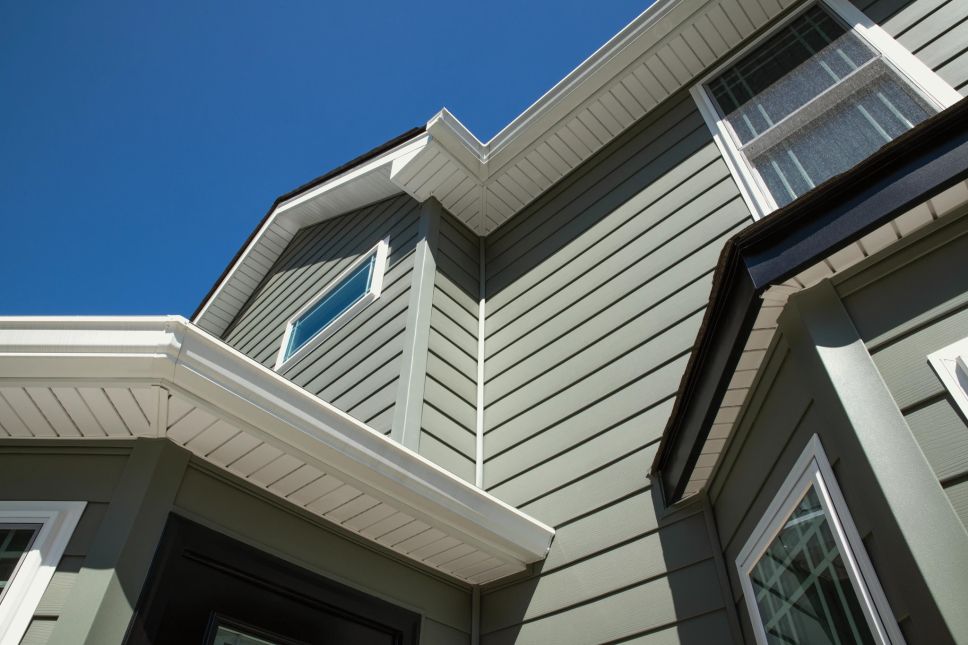
Vinyl siding isn’t one-size-fits-all. Its thickness plays a big role in how durable, energy-efficient, and long-lasting your home’s exterior will be.
If you’re wondering what thickness you actually need, this guide breaks it down so you can make the right choice for both style and protection.
How Thick Is Vinyl Siding?
Standard vinyl siding is 0.035 to 0.055 inches thick. Most homeowners choose 0.042–0.046 inches for the best balance of cost and durability.
Key Takeaways
- Vinyl siding thickness ranges from 0.035–0.055 inches.
- Thicker panels = stronger, longer-lasting, more energy-efficient.
- Economy grade (0.035–0.040") works for quick fixes.
- Mid-grade (0.042–0.046") balances cost and durability.
- Premium grade (0.048–0.055") offers maximum protection and curb appeal.
- Climate, budget, and maintenance needs determine the best choice.
Why Thickness Matters in Vinyl Siding
Thicker vinyl siding isn’t just about looks, it’s about protection. Thinner panels can warp, crack, or show every bump your wall throws at them.
When the siding has more weight to it, it holds steady against wind, heat, and the random basketball bounce. Think of it as the difference between a paper plate and fine china.
You’ll also get better insulation with thicker siding, which keeps your energy bills from flexing too hard. Plus, it just feels sturdier, like your house is wearing armour instead of a raincoat.
Bottom line, thickness means durability, less maintenance, and a cleaner look that lasts. Plus, when you know how to clean vinyl siding without scrubbing, that sharp finish is even easier to keep over the years.
Standard Thickness Ranges for Vinyl Siding
Vinyl siding usually lands between 0.035 and 0.055 inches thick. That might sound tiny, but the difference packs a punch when it comes to durability.
The budget-friendly stuff starts thin, around 0.035 to 0.040 inches. It works if you’re just giving your place a quick facelift, but don’t expect it to hold up against dents or rough weather.
Mid-range siding, about 0.042 to 0.046 inches, is the sweet spot. It balances cost and toughness, making it a popular choice for most homeowners.
If you want the heavy-hitter, premium siding sits at 0.050 to 0.055 inches. It resists warping, stays sharper-looking longer, and can handle whatever the storm season throws at it.
Think of thickness like your jacket game: a windbreaker works fine on breezy days, but when the cold hits, you’ll want the heavyweight coat.
Different Grades of Vinyl Siding by Thickness
Not all vinyl siding is built the same. Thickness plays a huge role in how it looks, holds up, and protects your home. Think of it like picking sneakers: flimsy ones crease fast, but a solid pair stays fresh for years.
- Economy Grade (0.035–0.040 inches): This is the budget option. It’ll get the job done but dents and warps easier. Good if you’re flipping a house or just need a quick fix, not if you want long-term flex.
- Mid-Grade (0.042–0.046 inches): This is the sweet spot for most homeowners. It balances cost and durability, handling storms and sun without looking tired. Call it the everyday drip—reliable, clean, and not trying too hard.
- Premium Grade (0.048–0.055 inches and up): This is the heavy hitter. Thicker panels mean less sagging, stronger impact resistance, and that luxe, polished finish. If your home’s your castle, this siding is the armour.
Factors That Influence the Ideal Thickness
The right vinyl siding thickness isn’t just about looks, it’s about how your home handles life’s curveballs. Weather plays a big role. If you’re in a storm-heavy area, thicker siding keeps your walls from taking the hits.
Insulation matters too. Thicker panels can help lock in heat during winter and keep your AC from working overtime in summer. Think of it like an extra hoodie for your house.
The budget is the final cheat code. Thin siding costs less upfront, but you’ll likely deal with cracks and fading sooner. Pay a bit more for thicker siding, and you’re buying durability that saves you hassle long-term.
Vinyl Siding Thickness vs. Alternative Materials
Vinyl siding usually runs between 0.040 to 0.055 inches thick. That sweet spot balances strength with affordability, which is why it’s the go-to for many homeowners. Thicker panels handle dents and warping better, while thinner ones can feel flimsy in tough weather.
Compare that to fibre cement, which flexes its weight at half an inch thick. It’s heavier, pricier, but built like a tank. Wood siding sits in the middle, often 0.375 to 0.5 inches, giving you that timeless look but demanding serious upkeep.
If you want low maintenance with a decent flex, vinyl’s the cheat code. It won’t match the heavyweight durability of cement or the old-school charm of wood, but for most homes, the thickness options hit that balance of style, cost, and resilience without draining your wallet or your weekends.
How to Choose the Right Thickness for Your Home
Picking vinyl siding thickness isn’t just about numbers, it’s about lifestyle. If you want a quick budget fix, thinner siding (0.038–0.040 inch) gets the job done.
Live somewhere with rowdy weather, or just want that solid flex? Go mid-range (0.042–0.046 inch) for a balance of style and muscle.
For the “Rolex-level” move, premium siding (0.048–0.055 inch) gives max durability and sharp curb appeal. Think less weekend touch-ups, more long-term drip.
Bottom line, match the thickness to your climate, your budget, and the level of maintenance you realistically want to handle, while also keeping in mind the Benefits of replacing siding for long-term home protection as part of your overall decision.
Conclusion
Vinyl siding thickness isn’t just a number, it’s the cheat code for how long your home’s drip lasts. Go too thin and you’ll be patching dents after every storm.
Choose the right thickness and your place stays sharp, sturdy, and low-maintenance. Think of it as investing in both style points and long-term peace of mind.
Frequently Asked Questions
-
Most siding runs between 0.040 and 0.055 inches thick. The thicker the panel, the sturdier it feels against bumps and weather.
-
Yes, big time. Thicker siding resists cracking, warping, and wind damage better. Think of it as trading in a paper plate for a ceramic one.
-
Usually, yes. But the extra spend often pays you back with fewer repairs and longer lifespan.