

 Back to Blogs
When to Replace Windows?
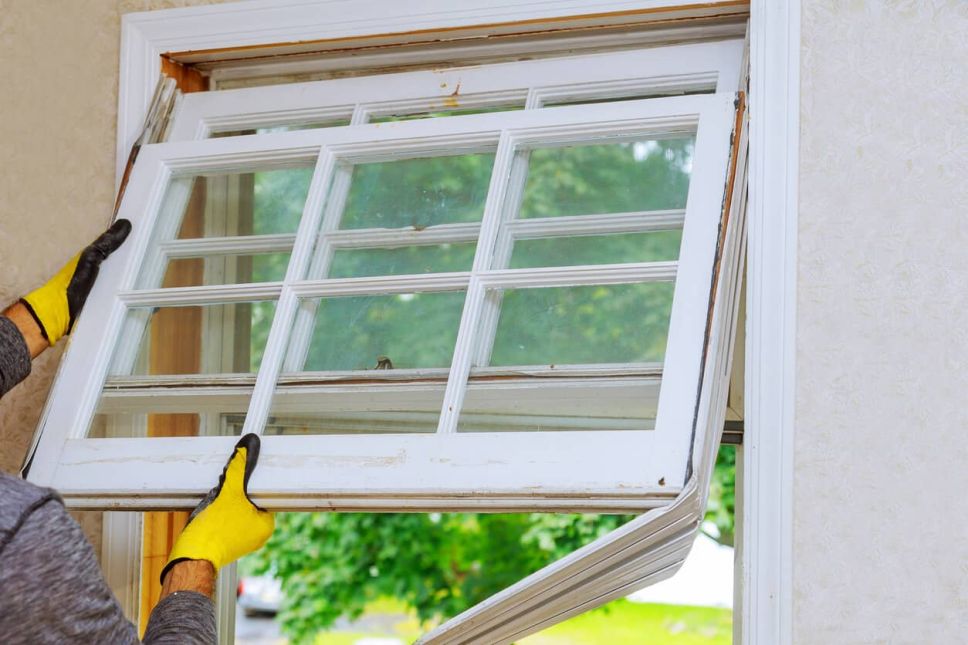
Not sure if your windows are past their prime? You’re not the only one.
From rising energy bills to cold drafts and hard-to-open frames, the signs aren’t always obvious.
This guide covers when to replace your windows—and why waiting might cost you more in the long run.
When to Replace Windows?
Replace windows when you notice drafts, moisture between panes, or difficulty opening and closing. Most windows need replacing after 15–30 years.
Key Takeaways:
- Windows typically last 15–30 years, depending on the material and upkeep.
- Signs it's time to replace include drafts, condensation, and hard operation.
- Replacing all at once can save money long-term, but phased updates work too.
- Spring and fall are the best seasons for window replacement.
- New windows improve energy efficiency, comfort, and home value.
Key Signs It’s Time to Replace Your Windows
Drafts and Poor Insulation
Drafts near your windows in winter or uneven room temperatures in summer often point to insulation issues, sometimes linked to gaps around the rough opening of a window.
Worn seals or outdated single-pane glass let outside air in, which raises energy costs.
Visible Damage or Decay
Inspect the frames closely—look for cracks, softness, or water damage.
Rotting wood and broken glass don’t just look bad—they invite moisture, mold, and even pests.
Difficulty Opening, Closing, or Locking
Windows that are hard to open, won’t stay up, or don’t lock properly can compromise safety and comfort.
If they’re not working smoothly, they’re no longer reliable.
Excessive Outside Noise
If outside noise feels louder than it should, your windows might be the problem.
Older single-pane models often lack the insulation needed to block sound effectively.
Condensation Between Panes
Foggy glass that won’t clear up is a sign that the seal between panes has failed.
Once this happens, the window loses insulation and usually needs replacing.
Outdated Look or Faded Curb Appeal
Outdated windows can drag down your home’s appearance and clash with other updates.
Replacing them refreshes the look and can increase property value.
Catching these signs early helps you avoid costly repairs down the line.
Whether it’s comfort, safety, or savings, knowing when to replace your windows keeps you in control. For homeowners considering replacement windows in Norristown, timely upgrades can make a significant difference in energy efficiency and overall home value.
How Long Do Windows Typically Last
Average Lifespan by Material
Most windows last 15 to 30 years, depending on the material and maintenance.
Vinyl windows typically last 20–25 years, wood around 15–20 years with proper upkeep, and aluminum up to 30 years—though their energy efficiency can decline earlier. If you're considering an upgrade, knowing how to install replacement windows with vinyl siding can help you plan for better long-term performance.
Factors That Affect Window Lifespan
Harsh climates can wear out seals and frames faster.
Poor installation, low-quality materials, or lack of upkeep also shorten window lifespan.
Signs like fogging, sticky operation, or fading frames mean they’re aging.
If your home still has its original windows after 20 years, it’s time for an inspection. This is also the perfect chance to explore the best windows material to ensure durability and energy efficiency moving forward.
Cost vs. Benefit: Is It Worth Replacing Your Windows Now
Replacing windows can feel costly, but the benefits add up fast.
Energy-efficient models lower utility bills and raise home value.
They also improve curb appeal and show your home is well-maintained.
New windows bring comfort too—less noise, fewer drafts, and easier use.
If yours are aging, acting now can save money and headaches later.
Should You Replace All Windows at Once?
Replacing all your windows at once often saves on labor and may qualify for bulk discounts.
You’ll see faster improvements in comfort and energy use.
If the budget’s tight, phased replacement works too—just start with the worst ones first.
Plan based on your home’s needs and what you can afford.
Best Time of Year to Replace Windows
Spring and fall offer mild weather and easier installs.
You may also find better scheduling and rates during these seasons.
Summer’s busy, so expect delays.
Winter works too, but heat loss is a risk.
If your windows are failing, don’t wait—fix them as soon as possible.
When to Repair vs. Replace
Small issues like stuck locks or worn seals can be repaired.
But major problems—rotting frames, foggy panes, or big drafts—mean it’s time to replace. If repair costs rival replacement, it’s better to invest in new windows.
Recently, I covered an article titled Do You Install Replacement Windows from the Inside or Outside? If you're curious about how that process works—or how it ties into other home exterior upgrades like gutter replacement—you should definitely give it a read.
Frequently Asked Questions
1. How often should windows be replaced?
Most windows last 15–30 years, depending on the material and maintenance.
If yours are older, it’s worth getting them checked.
2. Can I replace just one window?
Yes, if only one is damaged or underperforming.
But replacing multiple at once can be more cost-effective.
3. Are new windows really more energy-efficient?
Absolutely. Modern windows offer better insulation, reducing drafts and lowering energy bills over time.
Conclusion
Old windows can quietly drain comfort and money. Spotting the signs early helps you avoid bigger headaches later.
Whether it’s noise, drafts, or energy waste, Sewell replacement windows can make a big impact. If your windows are aging, schedule an inspection and take the first step toward a more comfortable home.