

 Back to Blogs
How Long Do Modern Replacement Windows Typically Last?
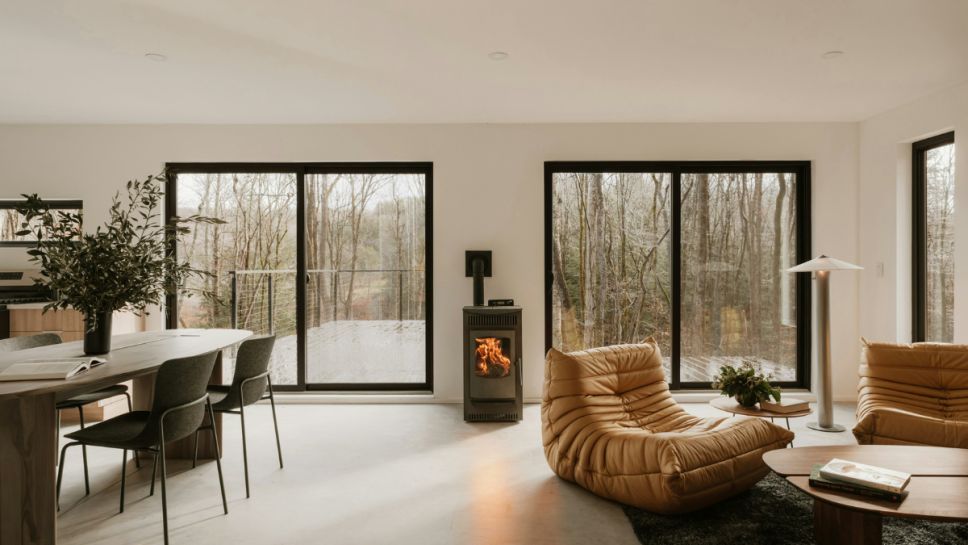
Modern Replacement Windows Age is a common concern for homeowners planning long-term home improvements. Many homeowners want to know whether investing in new windows will truly deliver lasting value or if replacement will be needed again sooner than expected.
Understanding window lifespan helps homeowners plan budgets, improve comfort, and protect their property. When comparing window upgrades, it is also helpful to review What Entry Door Materials Perform Best in Pennsylvania? since windows and doors often work together to improve efficiency and durability across the home.
Average Lifespan of Modern Replacement Windows
Modern replacement windows are built to last significantly longer than older window systems. On average, high-quality replacement windows can last between 20 and 30 years, depending on materials, installation quality, and maintenance. Some windows continue performing well beyond this range when properly cared for.
Advancements in window engineering, stronger frames, and improved glass technology have extended the Modern Replacement Windows Age well beyond what homeowners experienced decades ago. Today’s windows are designed to resist moisture, temperature changes, and UV exposure while maintaining insulation performance over time.
Factors That Affect How Long Replacement Windows Last
Several factors directly influence how long replacement windows remain effective. Installation quality plays a major role. Even the best window materials may fail early if installed improperly. Exposure to weather conditions, especially moisture and temperature swings, also impacts durability.
Daily use, window orientation, and home ventilation patterns matter as well. Windows facing direct sunlight may experience more wear over time, while poorly ventilated areas can expose frames to excess moisture. Choosing professional installation and suitable materials helps ensure replacement window durability for decades.
Lifespan by Window Material: Vinyl, Wood, Fiberglass & Aluminum
Different window materials offer different lifespan expectations. Vinyl windows are among the most popular options due to their durability, resistance to moisture, and low maintenance needs. Vinyl replacement windows often last 25 to 30 years or more.
Wood windows provide natural beauty but require ongoing care. Without regular maintenance, wood frames may experience moisture damage that shortens lifespan. Fiberglass windows are known for strength and stability, often lasting as long as or longer than vinyl.
Aluminum windows are lightweight but may not perform as well in terms of insulation and longevity compared to other materials.
Signs Your Replacement Windows Are Reaching the End of Their Life
Even high-quality windows eventually show signs of aging. Difficulty opening or closing windows is a common indicator. Drafts around frames or noticeable temperature changes near windows also suggest declining performance.
Fog or condensation between double-pane glass often indicates seal failure, reducing energy efficiency. Increased noise penetration and rising energy bills may also signal that replacement windows are nearing the end of their useful life, along with visible deterioration such as Signs of window frame rot in wood frames. Discover the warning signs before damage spreads by recognizing these issues early, allowing homeowners to plan timely residential window replacement.
How Proper Installation Impacts Window Longevity
Proper installation is one of the most critical factors affecting Modern Replacement Windows Age. Incorrect installation can lead to air leaks, moisture infiltration, and frame stress that shortens lifespan.
Professional window installation ensures proper sealing, alignment, and support. This helps windows maintain structural integrity and energy efficiency over time. Window World of Philadelphia provides professional replacement and installation services designed to protect window performance and extend lifespan across local homes.
Maintenance Tips to Extend the Life of Replacement Windows
Routine maintenance helps maximize window lifespan. Regular cleaning prevents debris buildup that may affect operation. Inspecting seals and weatherstripping ensures air and moisture stay outside where they belong.
Lubricating moving parts and addressing minor issues promptly can help prevent larger problems down the road. While modern replacement windows require less upkeep than older designs, consistent care still plays an important role in preventing issues like uneven room temperatures and maintaining window frame longevity and performance over time.
Replacement Window Lifespan in Different Climate Conditions
Climate significantly influences replacement window durability. Regions with extreme heat, cold, or humidity may place additional stress on window materials. Modern windows are designed to adapt to these conditions, but material choice remains important.
Energy-efficient windows with Low-E glass and insulated frames perform better across changing climates. Selecting windows suited for local weather patterns helps ensure long-term performance and comfort. Homeowners who consider both climate and material enjoy better durability and fewer issues over time.
How Long Do Replacement Windows Last in Philadelphia?
Philadelphia’s climate includes hot summers, cold winters, and moderate humidity, all of which affect window lifespan. Modern replacement windows installed in Philadelphia homes typically last 25 to 30 years when properly selected and installed.
Energy Star rated windows with double-pane glass and insulated frames perform especially well in local conditions. Professional installation further ensures windows handle seasonal expansion and contraction without compromising seals or structural integrity.
Homeowners who invest in quality products and expert installation often experience consistent window performance for decades.
Conclusion: Planning for Long-Lasting Window Performance
Modern Replacement Windows Age depends on a combination of material selection, installation quality, maintenance, and climate. When homeowners understand these factors, they can make confident decisions that support long-term comfort and efficiency.
Choosing high-quality replacement windows and professional installation allows homeowners to enjoy improved energy efficiency, reduced maintenance concerns, and reliable performance year after year.
When replacement windows are properly selected and installed, they remain a valuable home improvement investment for decades to come.
Frequently Asked Questions
-
Most modern replacement windows last between 20 and 30 years, with proper installation and care extending lifespan even further.
-
Vinyl windows typically last longer because they resist moisture and require less maintenance compared to wood frames.
-
Yes, high-quality windows installed correctly and maintained regularly can exceed 30 years of service.
-
Climate plays a major role. Windows designed for local weather conditions perform better and last longer.
-
Homeowners should consider replacement when windows show drafts, condensation between panes, difficulty operating, or rising energy costs.