

 Back to Blogs
How Heavy Rain Can Reveal Hidden Window Problems in Pennsylvania Homes
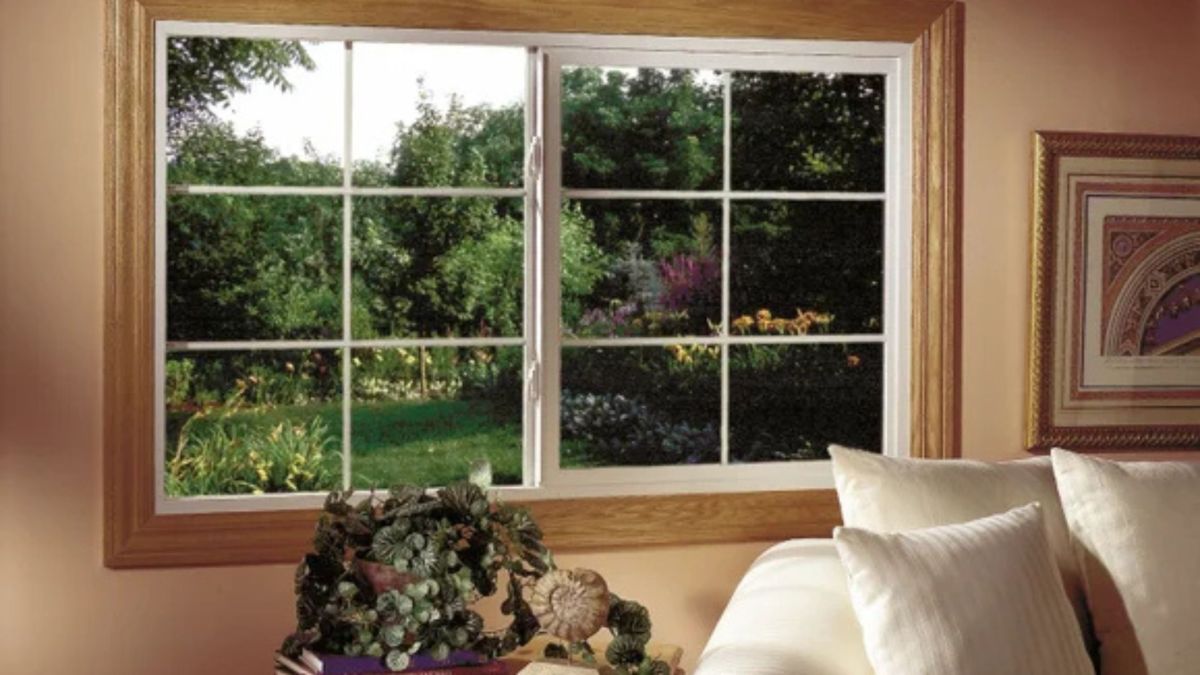
If you have ever walked past your windows during a hard Pennsylvania downpour and noticed a musty smell, a foggy pane, or a small puddle on the sill, you already know that heavy rain has a way of exposing window problems in Pennsylvania homes that stay hidden the rest of the year. It can feel unsettling to spot an issue mid-storm and not know how serious it is.
This guide walks you through what heavy rain reveals about your windows, why it happens so often here, and what your next step should be to keep your home dry and protected year-round.
Why Pennsylvania Rainstorms Are So Hard on Windows
Greater Philadelphia sees a healthy mix of spring downpours, humid summer storms, and heavy fall rain, often arriving with gusty wind that drives water sideways against your home. That combination of volume, wind, and pressure puts real stress on window seals, frames, and glazing.
Older windows were not built with today's storm patterns in mind, and small gaps that seem harmless on a dry day can become an entry point once wind-driven rain finds them.
Common Window Problems in Pennsylvania Homes That Rain Uncovers
A storm has a way of putting every weak spot on display. Here are the signs homeowners notice most often once the rain starts.
- Water stains or dampness on the sill or wall below the window
- A musty or damp smell in the room after a storm passes
- Fogging or condensation trapped between glass panes
- A whistling or rattling sound during windy rain
- Peeling paint or soft drywall near the window frame
- Visible daylight or drafts around the frame edges
Any one of these signs indicates a window that is no longer sealing properly, and it tends to become more noticeable with each storm season.
What These Signs Really Mean for Your Home
It is tempting to treat a damp sill as a minor inconvenience, but moisture that gets past a window during heavy rain rarely stays in one spot. It can travel into the wall cavity, the flooring, and the trim, creating conditions for mold growth and wood rot long before you see obvious damage.
Fogging between panes is a different kind of warning sign. It means the seal holding the insulating gas between the glass layers has already failed, and once that happens, the window's energy efficiency drops for good. That trapped moisture will not clear on its own.
Why Vinyl Replacement Windows Handle Pennsylvania Storms Better
Vinyl windows are built to perform in exactly the kind of weather Pennsylvania sees each year. Unlike wood, vinyl will not swell, rot, or warp when it absorbs moisture, which means the frame keeps its shape and its seal integrity even after years of storms.
A few reasons vinyl replacement windows hold up so well:
- Low maintenance, since vinyl never needs painting or refinishing to resist moisture damage
- Energy-efficient design, which keeps conditioned air inside and outside moisture where it belongs
- A tighter fit, thanks to precise manufacturing that closes the small gaps older windows develop over time
- Durability, so the frame will not expand and contract the way older materials do during freeze-thaw cycles and storm season
When a window is properly manufactured, measured, and installed, it is built to shrug off wind-driven rain rather than letting it find its way inside.
Why Replacement Is the Long-Term Answer
Once a window starts leaking or fogging during storms, the underlying seal or frame issue is already present and will keep recurring whenever the weather turns. New vinyl replacement windows solve the problem at its source instead of leaving it to resurface with the next storm.
At Window World of Philadelphia, every replacement window is custom measured for your home and installed by a trained local crew, so the fit is right from day one. Backed by a Lifetime Limited Warranty for long-term peace of mind. (Restrictions may apply. For complete details, contact Window World of Philadelphia.)
As Locally Owned. Nationally Known, we bring the personal service of a neighborhood business together with the resources of a name homeowners across the country already trust.
Signs It Is Time to Stop Waiting
- You notice the same damp spot after more than one storm
- A window has visible fog between the panes
- Drafts or whistling sounds show up on windy, rainy days
- Your energy bills keep climbing without a clear reason
- Paint or trim near a window looks soft, bubbled, or discolored
If any of these sound familiar, the rain has already told you what you need to know.
Ready to Stop Worrying Every Time It Rains?
Pennsylvania storms are not going anywhere, but the way your windows respond to them does not have to stay the same. If heavy rain keeps revealing window problems in your Pennsylvania home, our team is ready to help you find a lasting fix instead of another temporary patch.
Get a free quote today and let Window World of Philadelphia show you what storm-ready windows can do for your home.
Frequently Asked Questions
-
Wind-driven rain puts far more pressure on a window's seals and frame than a light, calm rain does, so gaps or worn seals that are invisible on a normal day suddenly let water through during a storm.
-
Yes. Fogging means the seal between the glass panes has already failed, and that moisture will not clear up on its own. It also means the window has lost much of its insulating value.
-
A leak is usually a sign that the seal or frame has already failed, so patching it is often temporary. A full window replacement addresses the root cause instead of the symptom.
-
Watch for soft drywall, peeling paint, a musty smell, or stains that reappear after each storm. These are signs moisture has moved beyond the surface and into the wall structure.
-
Yes. Vinyl will not swell or warp the way wood can, so the frame keeps a tight, consistent seal against wind-driven rain, even after years of Pennsylvania storms.