

 Back to Blogs
When to Replace Siding?
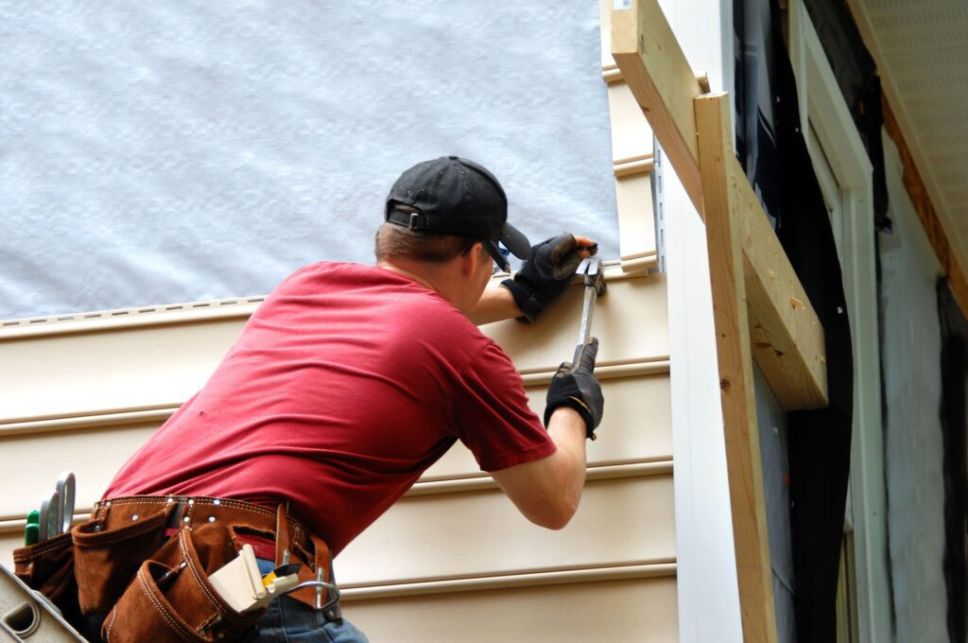
Siding goes through a lot—sun, wind, rain, and snow wear it down year after year. So, how do you know when it's no longer doing its job?
This guide covers the key signs your siding needs attention, when to act, and how to avoid expensive home repairs down the road.
When to Replace Siding
Replace siding when it shows cracks, warping, rot, fading, or your energy bills increase, especially if it's nearing 20–40 years old.
Key Takeaways
- Cracked, warped, or rotting siding is a clear sign that it’s time to replace it.
- Rising energy bills may indicate your siding is no longer insulating well.
- Frequent repainting or loose panels signal aging or failing siding.
- Replacing siding before major damage helps protect your home and save money.
Why Siding Matters
Siding isn’t just about looks—it shields your home’s structure. It keeps out wind, rain, and pests that could otherwise cause hidden problems.
Worn-out siding can lead to moisture damage, higher energy bills, and even structural issues. If you’re wondering can you paint siding on a house or if it’s time to replace it altogether, acting quickly can help protect your home and keep it running efficiently.
Common Signs You Need to Replace Siding
Visible Damage
Visible issues like cracks, warping, or holes are clear indicators you may need siding replacement in Upper Darby. These problems can let water and pests slip behind the panels, causing hidden damage within your walls.
If only a small area is affected, a repair might do. But when damage appears in multiple spots, opting for West Chester PA siding replacement services is often more cost-effective and protective in the long run.
Moisture Issues and Rot
If you’re spotting mold, mildew, or rot on your siding, that’s a major concern. These usually form when moisture gets trapped behind the surface, often due to poor sealing or aging materials.
If you’re noticing soft spots, musty odours, or green patches, it’s a clear sign your siding is no longer keeping moisture out. Just like knowing how to measure entry door for replacement helps prevent future fitting issues, catching siding damage early can save you from expensive structural repairs. In most cases, the affected sections will need to be fully replaced.
Energy Efficiency Problems
An unexpected rise in your energy bills might point to failing siding. Good siding helps insulate your home, keeping heat in during the winter and out in the summer.
But when siding begins to break down or warp, it loses its insulating power. If your HVAC system seems to be running nonstop or your home feels unusually drafty, the issue might be with the siding — especially if it wasn’t properly secured, such as when you don’t screw in vinyl siding correctly.
Frequent Repainting or Fading
Siding that quickly fades or constantly needs repainting is likely past its prime. Quality siding should hold its color and finish for years.
If you find yourself repainting every few seasons, that’s a clear indicator that the material is wearing out. Faded siding doesn’t just look tired—it also means the protective coating is gone, leaving your home more exposed to the elements.
Loose or Missing Panels
Storms, wind, or simple aging can loosen panels or knock them off. If multiple sections are missing or coming loose, it’s time to think about replacement.
If you notice several areas with missing pieces or panels pulling away from the wall, it’s time to consider a full replacement before bigger issues develop.
Recommended Post: Do I need a permit for siding replacement
Age of the Siding
Even if your siding looks fine, age matters. Most vinyl siding lasts around 20–30 years, while wood may need replacing after 15–20 years if not well-maintained. Fiber cement can stretch to 40 years with proper care. If you're considering an upgrade, learn more about vinyl siding options to compare styles and materials that may suit your home's needs.
If your siding is nearing the end of its lifespan, it’s a good idea to schedule an inspection. Just like learning how to clean patio door track keeps things running smoothly, checking aging siding—even if it looks fine—can help you catch hidden issues early. Replacing it before problems surface could save you from leaks, mould, or expensive repairs down the line.
Weather and Climate Considerations
Climate plays a big role in how long your siding lasts. If you live in an area with harsh winters, heavy storms, or intense sun, siding tends to wear out faster.
Frequent exposure to moisture can lead to rot, while constant sun can cause fading and cracking. If your home faces extreme weather year-round, inspect your siding more often. Replacing it sooner can prevent damage from getting worse and keep your home properly protected.
Repair vs. Replacement: How to Decide
Not all siding issues call for a full replacement. Small cracks, dents, or loose panels can often be repaired if the rest of the siding is in good shape.
However, if damage is widespread, repairs become costly and temporary. Older siding, especially near the end of its lifespan, may not match new pieces well.
If you're frequently patching problem areas, it's usually more cost-effective to replace the entire siding. A full upgrade also improves energy efficiency and gives your home a fresh, updated look.
Timing Tips: When Is the Best Time to Replace Siding?
Spring and fall are ideal for siding replacement. The mild temperatures make installation smoother and help materials settle properly.
Summer heat can cause vinyl to expand, while winter brings challenges with sealing and adhesives.
Planning your project during the off-season can also mean better scheduling and potential savings. If your siding is showing signs of failure, don’t wait—book a consultation as soon as possible to avoid further damage.
Frequently Asked Questions
1. How often should siding be replaced?
Most siding lasts 20 to 40 years, depending on the material and weather conditions. If it’s older than that or showing damage, it’s time to assess.
2. Can I replace just a section of siding?
Yes, but matching color and texture can be tricky. If the damage is widespread, full replacement may be more practical.
3. Does new siding improve home value?
Absolutely. It boosts curb appeal, improves energy efficiency, and can make your home more attractive to buyers.
Conclusion
Siding won’t last forever, and ignoring the warning signs can lead to bigger problems. Whether it’s visible damage, rising energy bills, or just old age, knowing when to replace it can save you stress and money.
If you're unsure, have a professional take a look. A quick inspection today can prevent costly repairs tomorrow. Replacing your siding at the right time keeps your home protected, efficient, and looking its best.