

 Back to Blogs
How to Measure Entry Door for Replacement
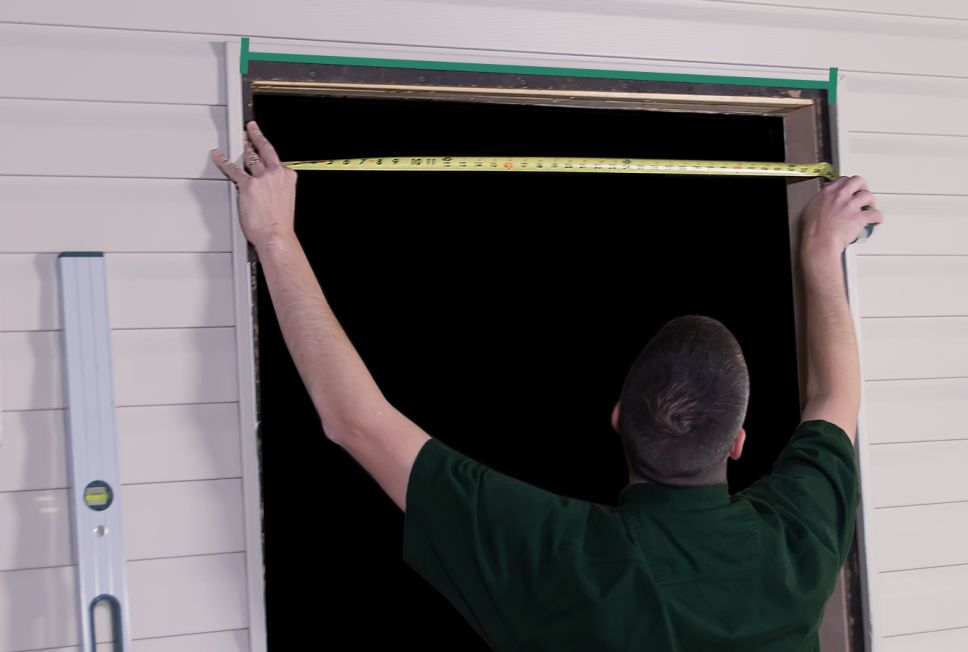
Measuring your entry door for replacement doesn't have to be a mystery. With a few simple steps, you can ensure a perfect fit for your home.
This guide offers clear, practical tips and solutions to help you get it right the first time. Let's make your door upgrade smooth and hassle-free.
How do you measure an entry door for replacement?
Measure the door’s width (top, middle, bottom), height, and jamb depth. Confirm swing direction and rough opening if replacing the entire frame.
Key Takeaways
- Measure the door slab, not the frame, unless replacing the entire unit.
- Take three width measurements (top, middle, bottom) and use the smallest.
- Height = door only, no thresholds.
- Jamb width matters for a snug fit.
- For full replacements, measure the rough opening.
- Swing direction is essential—check the hinge side from outside.
- Avoid rounding and always double-check your numbers.
Understand the Type of Door You’re Replacing
Before you even break out the tape measure, know what kind of door you’re dealing with. Is it a single front door? Double? With sidelights or a transom window?
Some doors sit flush in the frame, others overlap. And if your current door’s been there since Nokia ruled the world, it might not match today’s sizing. Knowing your door style helps you avoid a sizing flop later.
Quick cheat code: Snap a few pics and check the hinges, swing direction, and frame type. Trust us, this stuff matters when you’re choosing the right replacement or even brainstorming fresh entry door decoration ideas. Think of it like knowing your foot shape before buying Jordans; measurements hit different depending on the design.
Tools You’ll Need for Accurate Measurement
No need to bring your entire toolbox—just the essentials. Grab a tape measure (the stiff kind, not the floppy tailor’s one), a notepad, and a pencil.
A level helps check if things are straight—yes, that door frame might be lying to you. Optional but handy: a framing square for those clean corner checks.
Keep your phone nearby too. Snapping a quick pic can save you from second-guessing later. This is your cheat code for getting pro-level results without overthinking it.
Step-by-Step Guide: Measuring an Entry Door
Alright, let’s cut the guesswork. You don’t need a toolbox full of gadgets or a contractor on speed dial. Just a tape measure, something to write on, and the confidence of someone who knows what they’re doing (because you’re about to).
1. Measure the Width
Start by measuring the width of your current door—not the frame, just the door slab. Take three measurements: top, middle, and bottom. Doors get weird with age (don’t we all?), so go with the smallest number you get.
2. Measure the Height
Now measure from the bottom of the door to the top. No need to overthink it. Again, just the door itself, not the threshold or frame.
3. Check the Jamb Width
This one’s low-key. Open the door and measure the thickness of the frame from inside to outside. It helps make sure your new door fits snug, not like it borrowed your mate’s jacket.
4. Frame It Up – Rough Opening
If you’re going full replacement mode (not just the slab), you’ll need the rough opening. That’s the space inside the framing once the door and trim are off. Wider and taller than the door by about 2 inches each way—like the door’s backstage area.
5. Suss Out the Swing
Which way does the door open? Left hand or right hand? Stand outside and see which side the hinges are on. That’s your cheat code.
6. Don’t Skip the Threshold
Measure the height and depth of your current threshold or sill. If you're not replacing it, your new door has to play nice with what’s already there.
7. Snap a Pic (Bonus Move)
Take a photo of the setup—frame, trim, everything. Helps when you're shopping, or if you need backup from someone who knows their stuff.
Heads up: Always double-check. One wrong number and you’re dealing with a return that kills the vibe. Measuring your entry door isn’t rocket science—it’s just about getting the right numbers and owning the process like a boss.
Common Mistakes to Avoid
Don’t just measure the door slab—include the frame too. Skipping that step can mess with your fit real fast.
Avoid rounding up. A “close enough” vibe might fly at a house party, but not with doors. Also, don’t forget to check swing direction. Left, right, in, out—get it wrong and you're in for a fun surprise.
Finally, measure in more than one spot. Old walls love a good warp.
When to Call a Professional
If your frame is warped, your measurements don’t add up, or things just feel off—don’t play hero. It’s cheaper to bring in a pro than mess up a custom order.
Especially if you’re working with older homes or unusual angles, it helps to recognize when expert input can make things easier, much like knowing when to tap out in a video game. Instead of continuing to guess, getting guidance on something like Choosing the right entry door material in Pennsylvania can save time and frustration by relying on someone who has handled it many times before.
Final Checklist Before Ordering Your New Door
Got your measurements? Triple-check width, height and jamb depth – no guesswork here. Make sure your rough opening matches up, and check swing direction too.
Peep the frame condition – no rot or weird gaps allowed. Finally, think about style and hardware. That new door should flex just right with your home’s drip.
Once everything checks out, you’re ready to hit “order” with confidence.
Frequently Asked Questions
1. Do I measure the door or the frame?
You’ll want to measure the frame, not the door slab. That’s what your new door has to fit into.
2. What tools do I need?
Just a tape measure, a notepad and a bit of patience. No need to go full toolbox mode.
3. Should I measure in inches or millimetres?
Either works, but stick to one. Mixing them up? That’s a fast track to the wrong size.
Conclusion
Measuring for a new entry door isn’t rocket science, but it does take a steady hand and a good tape measure. Get your width, height, and jamb depth right, and you’re already ahead of most folks.
Double-check everything, keep it chill, and don’t rush it. The right fit means no drafts, no drama, and a front door that flexes hard from the street.