

 Back to Blogs
Why Does Daylight Show Around My Front Door?
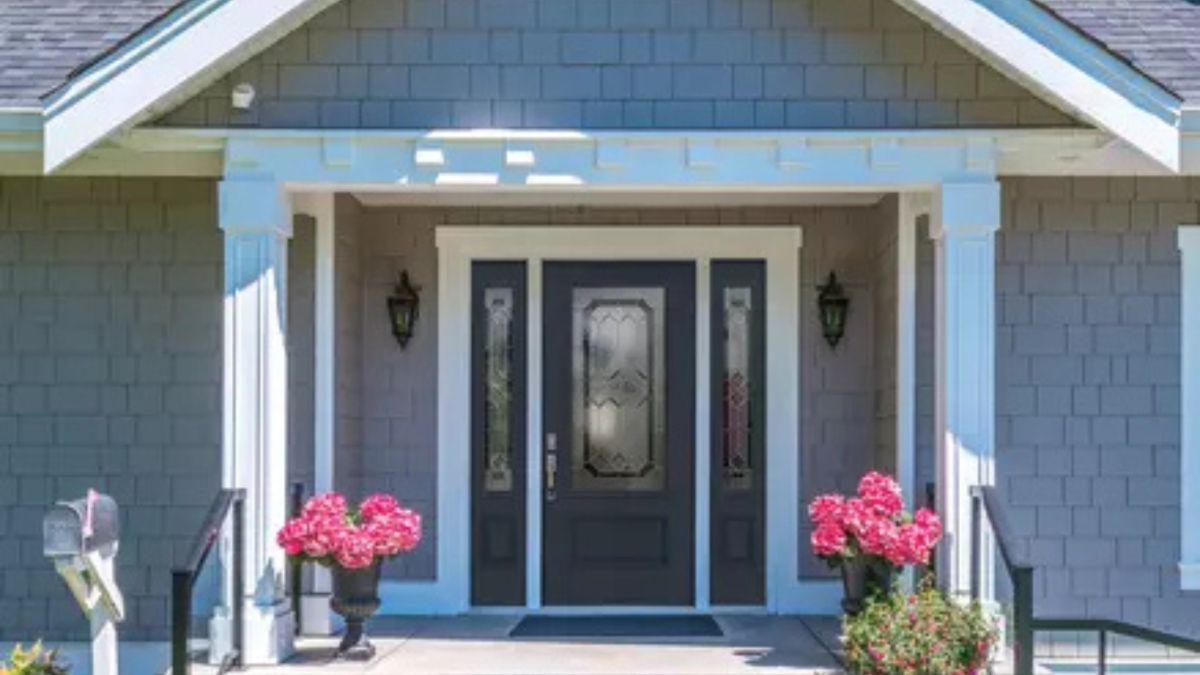
Daylight around the front door usually means the door is not sealing tightly against its frame. You may also notice a draft, uneven closing, or a visible gap around the edges.
For homeowners in Delaware County, Pennsylvania, those gaps can become more noticeable through cold winters, humid summers, and frequent temperature changes. Before replacing the door, it helps to understand what is causing the gap.
Quick Summary
Daylight around your front door can result from worn weatherstripping, door movement, frame settling, poor installation, or age. Small gaps may need maintenance or adjustment. Larger gaps and persistent drafts may indicate that replacement is the better option.
What Causes Daylight Around Your Front Door?
A closed front door should sit evenly against the frame and compress the weatherstripping. If you can see light, that seal is being interrupted.
Common causes include:
- Worn weatherstripping: The seal can become flattened, cracked, or loose over time.
- Door movement: Years of use can affect how an older door sits in its frame.
- Frame settling: Small shifts around the frame can create uneven gaps.
- Poor installation: An improperly fitted door may not seal correctly from the start.
- Age and wear: Hinges, seals, and other components can lose effectiveness over time.
Where you see the light matters. A small gap in one corner may have a different cause than daylight appearing along several sides.
Why Daylight Around Your Door Is More Than Just Annoying
That thin line of light is often a sign of air leakage.
A drafty front door can affect:
- Comfort: Outside air can make rooms near the entryway feel colder or warmer.
- Energy use: Heating and cooling systems may work harder when conditioned air escapes.
- Moisture control: Larger gaps can allow outside moisture into the entry area.
- Security: A door that does not close or latch properly should be inspected.
The visible light may not be the biggest problem. It is simply one of the easiest symptoms to notice.
Can You Fix Daylight Gaps Without Replacing the Door?
Not every gap requires a new door.
A smaller issue may be fixable when:
- Weatherstripping is worn but the door is otherwise in good condition.
- A loose hinge has caused a minor alignment problem.
- A recently installed door has weatherstripping that is not compressing correctly.
Replacement may be worth considering when:
- The door is warped or cracked.
- Large gaps appear around the frame.
- The door has several signs of age and wear.
- Drafts continue despite maintenance.
- Energy bills have increased alongside noticeable air leakage.
The cause matters. A gap may involve the door, the frame, the seal, or installation.
How Energy-Efficient Entry Doors Solve the Problem
Energy-efficient entry doors are designed to provide a tighter seal and better insulation around the entryway.
Features can include:
- Low-E glass: Helps reflect heat while allowing natural light through.
- Argon gas: Helps improve insulation between glass panes.
- SolarZone™ glass technology: Designed to reduce heat transfer through glass areas.
- Weatherstripping: Helps create a consistent seal around the door.
Proper installation matters just as much. Even an energy-efficient door needs a good fit to perform as intended.
When to Call a Professional
A quick inspection can show that there is a gap. A professional can help determine why it exists.
Get professional advice if you notice:
- Daylight around several sides
- A large or growing gap
- A persistent draft
- Difficulty closing or latching the door
- Noticeable air leakage and higher energy use
- Multiple signs of wear on an older door
A Design Consultant can inspect the door, measure gaps, check the weatherstripping, and assess how the door operates.
Summing Up
Daylight around the front door does not automatically mean replacement. It does mean the door seal deserves attention.
For homeowners in Havertown, Delaware County, and the Philadelphia area, Window World of Philadelphia can assess your entry door and explain your options.
Get a Free Quote to find out what is causing the gap and what makes sense for your home.
Frequently Asked Questions
-
It usually means the door is not forming a complete seal against the frame. Worn weatherstripping, alignment problems, frame settling, and age are common causes.
-
Not always. Minor gaps may come from worn seals or small alignment issues. Larger gaps, damage, or ongoing drafts may make replacement more practical.
-
Check the edges of the closed door for moving air, particularly on a cold or windy day. Daylight and noticeable temperature differences near the frame can also indicate air leakage.
-
Fiberglass entry doors can provide insulation and a tight seal when properly fitted and installed. ENERGY STAR® certified products can help homeowners evaluate energy performance.
-
Persistent gaps, poor operation, visible damage, or drafts that continue after maintenance are all reasons to have the door assessed by a professional.