

 Back to Blogs
Can You Screw into Vinyl Siding?
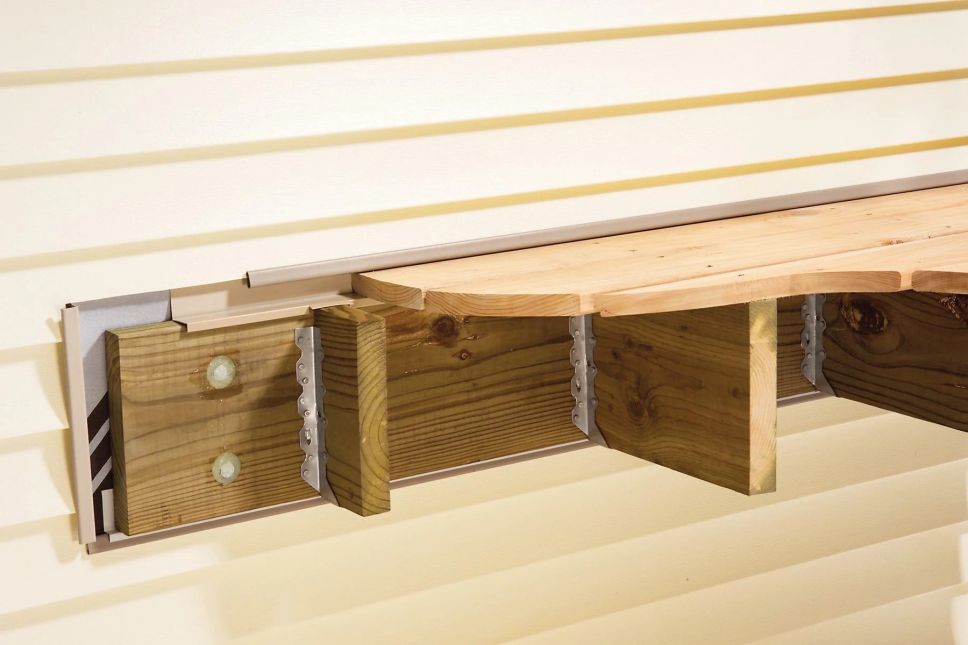
When it comes to enhancing or maintaining your home’s exterior, you might wonder, Can you screw into vinyl siding? At Window World of Philadelphia, we understand the importance of properly handling and installing vinyl siding to preserve your home's beauty and durability.
Vinyl siding is a preferred choice in Philadelphia because it is energy-efficient, low-maintenance, and built to withstand our local weather conditions. Ensuring the right installation with the correct fasteners is crucial to protecting your siding and maintaining its warranty.
Screwing into vinyl siding requires specific techniques, including pre-drilling pilot holes and using corrosion-resistant screws to prevent cracking and allow for natural expansion and contraction of the panels. For expert guidance and professional installation that meets the highest standards, call us at 215-395-1608 or email.
Understanding Vinyl Siding and Fastening Needs
Vinyl siding is engineered to be durable yet flexible, expanding and contracting with temperature changes. This movement, often referred to as vinyl siding expansion and contraction, means that how you fasten into vinyl siding is critical.
If installed incorrectly, fasteners that are too tight or placed improperly can lead to cracking, buckling, or warping of the siding panels. At Window World, we recommend following manufacturer guidelines and using professional installation services to avoid these issues.
What Are the Best Screws for Vinyl Siding Installation?
Choosing the best screws for vinyl siding installation is key to a secure and damage-free attachment. We recommend using corrosion-resistant screws such as stainless steel or vinyl-coated screws designed specifically for outdoor use.
These screws resist rust and staining, which helps maintain the siding’s appearance over time. Additionally, screws should have a domed or cylindrical head and be sized to penetrate the siding, underlayment, and at least 1.25 inches into the framing for a firm hold.
Drilling Through Vinyl Siding: What to Know
Before screwing into vinyl siding, should you pre-drill holes in vinyl siding before screwing? The answer is yes. Pre-drilling a pilot hole slightly smaller than the screw diameter prevents cracking by allowing the vinyl panel to flex around the fastener.
Drilling also helps accommodate siding movement caused by temperature changes, reducing stress on the siding around the screw. It’s essential to drill straight and avoid the center of the siding panels; instead, aim for the nailing slots or solid backing for the best support.
How to Fasten Objects to Vinyl Siding Without Damage
When attaching outdoor fixtures such as lights or house numbers to vinyl siding, care is needed to avoid damage. Always use corrosion-resistant fasteners and drill pilot holes. Seal screw penetrations with exterior-grade caulk to prevent moisture intrusion, which could otherwise lead to water damage.
Window World of Philadelphia advises trusting professional installers who use approved techniques and materials to maintain warranty compliance and siding integrity.
Screw vs Nail for Vinyl Siding: Which is Better?
While screws offer stronger holding power, in vinyl siding installations, nailing is often preferred because it allows for the necessary siding movement. Nails used for vinyl siding are typically corrosion-resistant galvanized roofing nails or aluminum nails with appropriate head sizes to hold the panel firmly but allow expansion and contraction.
However, in some cases, especially for attaching fixtures, corrosion-resistant screws are appropriate when used correctly with pilot holes. Always consult with a professional installer to determine the best fastener type for your project.
Common Mistakes When Screwing into Vinyl Siding
Several installation errors can compromise vinyl siding:
- Driving screws too tightly, restricting siding movement, and causing warping or buckling.
- Screwing directly into the center of the panel instead of nailing slots or solid backing.
- Using non-corrosion-resistant screw leads to rust stains.
- Failing to pre-drill pilot holes results in cracked siding.
- Skipping sealing around fastener penetrations can cause water leakage.
By avoiding these common mistakes, you ensure your vinyl siding remains secure and attractive for years.
Conclusion
Screwing into vinyl siding requires expert knowledge to ensure your home’s exterior remains protected and visually appealing. Incorrect installation can lead to damage such as cracking, buckling, or water intrusion, which may compromise both the siding and your warranty.
At Window World of Philadelphia, we recommend relying on professional installation services to safeguard your investment. Our expert installers use industry-approved fasteners and techniques, including corrosion-resistant screws and pre-drilling pilot holes, to accommodate the natural expansion and contraction of vinyl siding.
Choosing Window World of Philadelphia ensures you receive top-quality vinyl siding products backed by a Lifetime Limited Warranty and installed by trained professionals. For a free quote or to discover our energy-efficient vinyl siding and window options, call us today at 215-395-1608 or email.
Let us help you enhance your home safely and beautifully with the expertise you can trust.
Frequently Asked Questions
-
No, pre-drilling a pilot hole is essential to prevent cracking or buckling. Pilot holes allow for siding expansion and contraction around the fastener without stress.
-
We recommend corrosion-resistant screws such as stainless steel or vinyl-coated screws with domed heads. These should be sized appropriately for siding and framing penetration.
-
Screws should penetrate at least 1.25 inches (32mm) into the framing to ensure a secure hold without over-penetration.
-
If done correctly, following manufacturer guidelines with pilot holes and proper sealing, screwing will not void your siding warranty or cause water leaks.
-
Nails are generally better for siding installation because they allow natural expansion and contraction. Screws are preferable for attaching fixtures when proper techniques are used.