

 Back to Blogs
Why Is Condensation Forming Between My Patio Door Glass Panels?
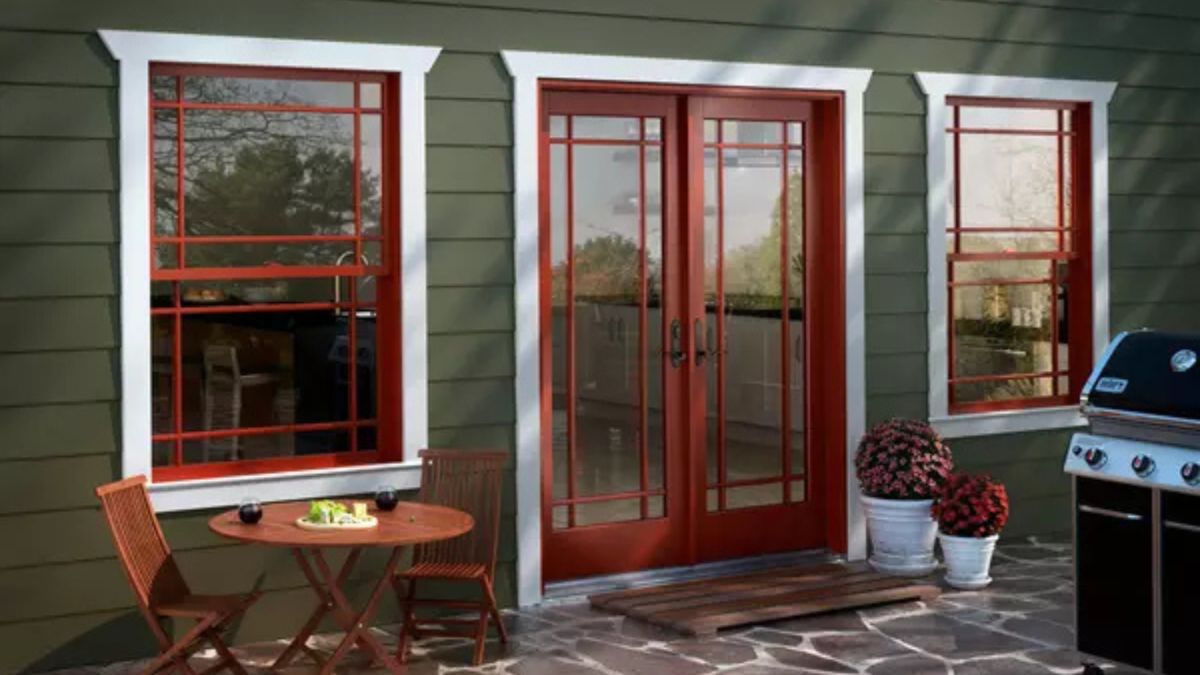
Condensation between patio door glass is different from moisture sitting on the surface. If the fog or droplets stay trapped between the panes, the insulated glass seal may have failed.
This can become more noticeable during Pennsylvania's cold winters and changing temperatures. Before replacing the entire door, it helps to understand where the moisture is coming from.
Quick Summary
Condensation between patio door glass usually means the seal between the panes has failed, allowing moisture inside. Depending on the door's condition, replacing the glass unit or patio door may be the best option.
What Causes Condensation Between Patio Door Glass?
Insulated patio door glass has two panes separated by a sealed space. The seal helps keep moisture out and supports the insulating performance of the glass.
When that seal deteriorates, moisture can enter between the panes and create a cloudy appearance.
Common causes include:
- Age and wear: Glass seals can deteriorate over time.
- Temperature changes: Repeated heating and cooling can put stress on the sealed unit.
- Seal damage: Damage around the glass edge can allow moisture inside.
- Normal deterioration: Sealed glass can eventually lose its effectiveness even with regular care.
The location of the moisture matters. Surface condensation can usually be wiped away. Moisture that remains between the panes points to a problem inside the sealed glass unit.
Is Condensation Between Patio Door Glass a Problem?
Foggy glass is not always an emergency, but it should not be ignored. A failed seal can affect the performance of the insulated glass.
You may notice:
- Cloudy glass: The view through the patio door becomes less clear.
- Temperature differences: The glass may feel noticeably colder during winter.
- Drafts: Air leakage may become more noticeable around the door.
- Reduced insulation: The sealed glass may no longer perform as intended.
Can You Remove Condensation Between the Glass Panels?
If moisture is trapped between the panes, regular glass cleaner will not remove it. You cannot reach the affected space from either side.
Check these three things first:
Where is the moisture? Confirm that it is actually between the glass panels. Does it stay after cleaning? Persistent fogging suggests the sealed unit may be compromised.
How does the door perform? Look for drafts, difficult operation, worn hardware, or frame problems. If the rest of the patio door is in good condition, replacing the affected glass unit may be an option.
What About Patio Door Condensation During Pennsylvania Winters?
Winter can cause condensation on the inside surface of patio door glass. Warm indoor air contains moisture, which can collect when it meets cold glass.
That is different from moisture trapped between the panes.
Here's the simple distinction:
- Inside surface: Often connected to indoor humidity.
- Outside surface: Can occur because of outdoor weather conditions.
- Between the panes: Usually points to a failed insulated glass seal.
Reducing indoor humidity may help surface condensation. It will not remove moisture already trapped inside the sealed glass.
When Should You Replace Patio Door Glass?
Condensation does not automatically mean the entire patio door needs replacement.
Glass replacement may make sense when:
- The frame is still in good condition.
- The door opens, closes, and locks properly.
- The problem is limited to one glass unit.
A new patio door may make more sense when:
- The frame has significant wear.
- The door is difficult to operate.
- Drafts come from several areas.
- The glass problem is one of several ongoing issues.
Looking at the whole door helps determine the most practical solution.
What Should You Do About Foggy Patio Door Glass?
Condensation between patio door glass is usually a sign that the insulated glass seal needs attention. It does not automatically mean the entire patio door needs replacement.
At Window World of Philadelphia, we can inspect your patio door, assess the glass and frame, and help you understand your options. We provide professional installation and Free In-Home Quotes, so you can make a decision based on the condition of your door.
Get a Free Quote and let us take a closer look.
Frequently Asked Questions
-
No. Moisture can form on glass surfaces under certain weather conditions, but condensation trapped between sealed panes usually indicates a failed glass seal.
-
No. Cleaning only removes moisture from the accessible glass surfaces. If fogging remains between the panes, the insulated glass unit needs to be evaluated.
-
Not necessarily. If the frame and operating parts remain in good condition, replacing the affected glass unit may solve the problem without replacing the entire door.
-
Indoor humidity can collect on cold glass during winter. If the moisture is trapped between the panes instead, the insulated glass seal is likely the issue.
-
They can improve insulation and help reduce unwanted heat transfer. Features such as Low-E glass and insulated glass units can contribute to better thermal performance.