

 Back to Blogs
Signs Water Is Getting Behind Your Home's Siding
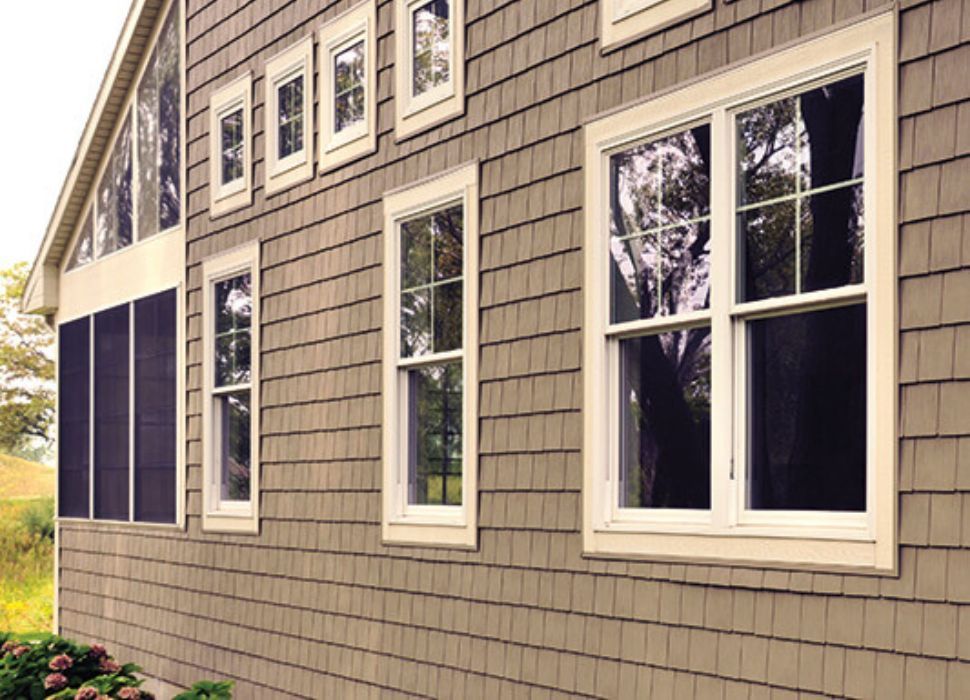
If your siding looks fine from the curb but something still feels off, water may already be seeping in where you can't see it. Loose panels, small cracks, and worn caulking can all let moisture slip behind vinyl siding, and catching water behind the siding early can save you from a much bigger repair down the road. Below, we walk through what to look for, why it matters, and what Philadelphia-area homeowners can do about it.
What Are the Water Behind Siding Signs to Watch For?
What are the signs of water behind siding? In most cases, homeowners notice a combination of visible surface changes and changes in physical texture. Wavy or bulging panels, dark streaking, soft spots when you press on the wall, and musty smells near exterior walls are the clearest signs of water behind siding to watch for during a seasonal walk-around.
Common Signs Water Is Getting Behind Your Siding
Warped or Buckled Panels
How can I tell if water is getting behind my siding? Panels that look wavy, bulging, or no longer sit flat can indicate trapped moisture softening the material behind them, especially if the change appeared gradually rather than after a single storm.
Loose or Separating Panels
Panels that have pulled away from the wall or no longer lock tightly into place create an easy path for rain to travel behind the siding, particularly during wind-driven storms.
Cracks, Gaps, and Damaged Seams
What does water damage behind siding look like? Small cracks near corners, windows, or doors are easy to miss but are common entry points. Over time, even hairline gaps can let in enough moisture to cause damage.
Water Stains and Discoloration
Dark streaks, blistering, or discoloration on the siding surface or on interior walls near an exterior wall often signal that water has already found its way in.
Mold or Mildew Growth
Can water behind siding cause mold? Yes, trapped moisture creates the damp environment mold and mildew need to grow, and growth appearing behind panels or on interior drywall is a stronger signal than surface mildew alone.
Soft or Deteriorating Areas
Can moisture behind siding damage the wall? If pressing gently on a wall reveals a soft, spongy, or crumbling spot, moisture has likely reached the sheathing or framing underneath.
Interior Warning Signs
Musty odors, peeling interior paint, or unexplained increases in energy bills can also indicate hidden moisture, since damp insulation loses much of its ability to retain conditioned air.
Why Water Behind Siding Can Become a Bigger Problem
Not every sign listed above automatically means water has fully penetrated the wall, but ignoring several of them together is where real risk builds. Visible changes can sometimes provide an early clue, and How Faded Siding Can Signal Deeper Exterior Problems is worth understanding when evaluating the condition of your home's exterior. Left unaddressed, trapped moisture can lead to wood rot in the sheathing, weakened framing, and conditions that allow mold to spread out of sight.
Can damaged siding cause water leaks? Yes, and the longer a leak goes unnoticed, the more damage it can cause to the materials that protect your home's structure.
What Causes Water to Get Behind Siding?
A few common issues tend to be behind most cases homeowners encounter:
- Cracked, warped, or aging siding panels
- Loose panels or gaps around windows, doors, and corners
- Failing caulk or worn seals at seams and joints
- Wind-driven rain during storms
- Clogged or poorly functioning gutters and downspouts that send water toward the wall instead of away from it
How to Prevent Water From Getting Behind Your Siding
How do I prevent water from getting behind siding? A few habits go a long way toward protecting your home's exterior:
- Walk the exterior each spring and fall, and again after major storms.
- Keep gutters and downspouts clear so water drains away from the walls.
- Watch for cracked, loose, or warped panels and address them before another season passes.
- Pay close attention to areas around windows, doors, and corners, where gaps are most common.
When Should You Consider Siding Replacement?
Should I replace siding with water damage? If warning signs keep returning, cover multiple areas of the home, or point to soft spots and framing concerns, a full replacement is often a more lasting solution than addressing individual panels.
Window World of Philadelphia offers several vinyl siding product lines, including the 1000 Series, 2000 Series, and 4000 Series, each installed with attention to proper sealing and drainage. New siding is backed by a Lifetime Limited Warranty for long-term peace of mind. Restrictions may apply; for complete details, contact Window World of Philadelphia.
If you want to understand how trapped moisture affects the structure behind your walls, our article on moisture behind siding and the hidden structural issues it can cause goes into greater detail.
Conclusion
Catching water behind siding signs early, from a warped panel to a musty smell near an exterior wall, gives you the chance to protect your home's structure before a small issue grows into a costly one. If you've spotted any of these signs, a professional set of eyes can tell you exactly what's going on behind the surface.
Request a free quote and get a clear picture of your siding's condition before the next round of Philadelphia weather rolls in.
Frequently Asked Questions
-
Common signs include warped or bulging panels, dark stains, soft spots when pressed, musty odors, and mold or mildew growth on or behind the siding.
-
Yes. Vinyl siding can look intact from the curb while cracks, loose panels, or worn caulk near seams quietly let moisture in behind the surface.
-
Look for soft or spongy spots when you press on the wall, along with stains, peeling interior paint, or musty smells near exterior walls.
-
Yes. Trapped moisture creates a damp environment where mold and mildew can grow, sometimes for months, before any signs appear on the surface.
-
Not always. Isolated issues may be addressed individually, but recurring or widespread signs often point toward a full siding replacement instead.