
 Back to Blogs
How Faded Siding Can Signal Deeper Exterior Problems
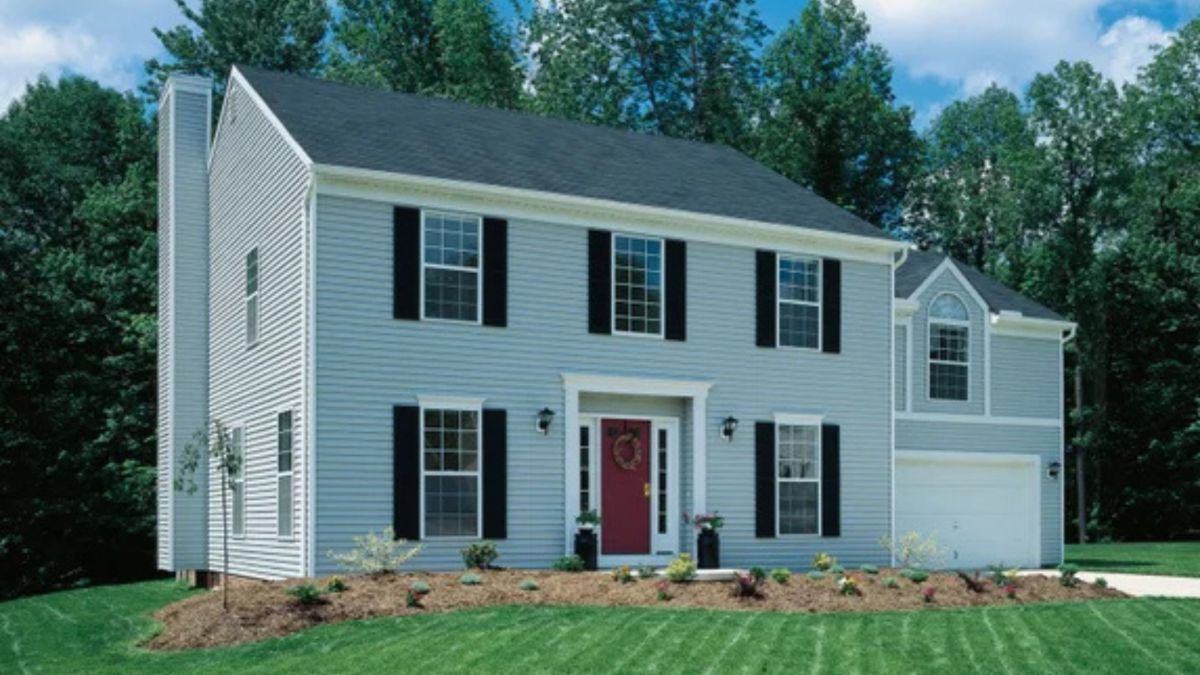
Faded siding problems are often caused by years of sun and weather exposure. Fading alone does not mean your vinyl siding needs replacement. But if you also notice warping, cracks, loose panels, or moisture stains, the problem may be more than cosmetic.
The useful clue is what appears alongside the fading. Some changes are normal aging, while others can signal damaged siding or moisture problems. Knowing what to look for can help you decide when the exterior needs a closer look.
Quick Summary
Faded vinyl siding is not automatically a reason for replacement. The concern grows when fading appears with cracks, warped panels, loose sections, gaps, or moisture-related staining. Those signs may indicate that the siding is no longer protecting your home as it should.
Why Does Vinyl Siding Fade?
Vinyl siding faces sunlight, rain, snow, wind, and temperature changes throughout the year. Direct sunlight is one of the main causes of fading, especially on walls that receive strong afternoon sun.
That is why one side of your home may look lighter than another. Fading by itself is usually an appearance issue. If the siding remains flat, secure, and free from visible damage, there may be little reason to worry.
The picture changes when the color change comes with physical damage.
What Signs Should You Look For?
Fading becomes more concerning when it appears with other changes. As you inspect the exterior, watch for these signs of damaged or aging siding:
Warped or Buckled Panels
Warped siding may bow, ripple, or stop sitting flat. This can affect how well the siding sheds water and may point to heat, impact, moisture, or another exterior issue.
Cracks and Splits
Cracks are easy to miss when the siding has already faded. Damaged panels can leave the exterior more vulnerable to moisture, especially around seams and openings.
Loose Siding
A loose panel may move in the wind or sit out of alignment. This can indicate damage or a problem with the surrounding siding, rather than being purely cosmetic.
Moisture Stains
Unusual discoloration or moisture staining deserves attention. The faded area is not always the source of the moisture, so check around windows, doors, roof intersections, and other exterior transitions.
If several of these problems appear together, siding replacement may be worth considering, particularly when the damage is widespread.
Can Damaged Siding Cause Interior Problems?
Fading itself does not cause water damage. The concern is the damage that may occur alongside it.
Cracked, warped, or loose siding can create areas where water does not drain away properly. If moisture gets behind the exterior, you may eventually notice interior staining, musty odors, or other signs of water intrusion.
Siding is not the only possible source. Roofing, windows, doors, and gutters can also allow water into the home, so the surrounding exterior should be considered before assuming the siding is responsible.
When Does Siding Need Replacement?
Minor fading does not automatically mean you need new siding. Widespread cracks, repeated loose panels, severe warping, or moisture damage are stronger warning signs.
Age matters, but condition matters more. Older siding can still perform well if it remains secure and undamaged. A professional inspection can help determine whether the issue is isolated or widespread.
What Should You Check Around Your Home?
Walk around the house and look at the siding from different angles. Pay extra attention after heavy rain or strong weather.
Check for:
- Uneven or severe fading
- Warped or buckled panels
- Cracks, splits, or holes
- Loose or misaligned sections
- Gaps around windows and doors
- Moisture stains or unusual discoloration
Several signs appearing together tell you more than fading alone.
Know When to Take a Closer Look
A faded exterior does not automatically mean your siding has failed. The bigger clue is what else you find, especially cracks, warping, loose panels, or signs of moisture.
At Window World of Philadelphia, we can inspect your vinyl siding and help you understand whether replacement makes sense for your home. Contact us for a Free Quote and get a clearer picture of your options.
Frequently Asked Questions
-
Not necessarily. Normal fading can happen as vinyl siding ages, while cracking, warping, loose panels, and moisture problems are stronger reasons to have the exterior inspected.
-
Sun exposure is usually the biggest reason. Walls that receive more direct sunlight can fade faster, while weather exposure and the age of the siding can also affect color.
-
It can. Warped panels may not shed water as intended, particularly when gaps, loose sections, or damaged seams are also present.
-
Look for cracks, warping, loose panels, gaps, holes, and moisture staining. Multiple warning signs in the same area deserve closer attention.
-
No. Condition matters more than age alone. Siding that is older but still secure and free from major damage may not need replacement.