

 Back to Blogs
How Moisture Behind Siding Can Lead to Hidden Structural Issues
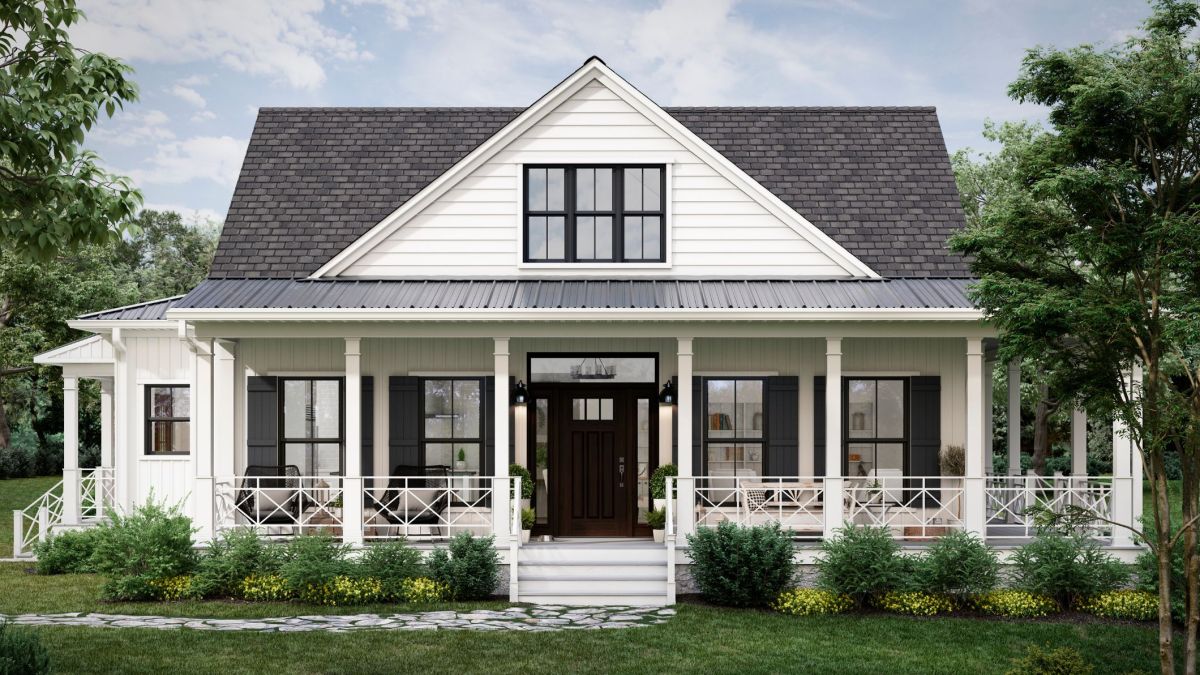
Your siding does far more than shape your home's curb appeal. It serves as a shield against Philadelphia's rain, snow, and high humidity year-round.
Understanding Can Small Siding Cracks Lead to Bigger Structural Problems? is important because even minor openings can allow moisture to enter behind your siding and create costly damage over time.
When that shield begins to fail, moisture behind siding can quietly work its way into the bones of your home. Because the damage stays out of sight, many homeowners never notice until repairs become costly and stressful. Knowing how this problem starts and how it spreads helps you protect your biggest investment before small issues quietly turn into serious ones. A little awareness now can save you thousands later.
How Water Sneaks Behind Your Siding
Siding is built to keep water out, but no exterior stays flawless forever. Over the years, cracked panels, failing caulk, and worn flashing create tiny openings for water to slip through unnoticed. Wind-driven rain, melting snow, and everyday humidity all add up quickly over the seasons. Once water finds a gap, it has nowhere to drain and begins collecting against the wall behind your panels, where it sits unseen.
Philadelphia's mix of freezing winters and humid summers makes this problem noticeably worse. Freeze-thaw cycles cause materials to expand and contract, widening gaps and allowing even more water to seep in over time, until the damage builds.
The Hidden Damage You Cannot See.
The real trouble with trapped water is that it hides. Moisture behind siding rarely shows itself on the surface until the problem is already advanced and expensive to fix.
Behind the panels, water soaks into the wood sheathing and wall framing. Over time, this leads to wood rot, slowly weakening the very structure that holds your home together. Damp wood also attracts termites and other pests that feed on softened material. What began as a small leak can quietly compromise studs, headers, and load-bearing supports throughout the wall.
Mold, Mildew, and Indoor Air Quality
Trapped water not only harms wood. It creates the damp, dark conditions where mold and mildew thrive deep inside your walls, often for months before anyone notices.
These spores can spread into your living space and affect your indoor air quality. That often triggers allergies or respiratory discomfort, and families with children or older adults tend to feel it first. Once mold takes hold behind siding, surface cleaning alone will not solve it. The moisture source must be addressed, meaning inspecting the wall system itself rather than just the surface.
Warning Signs Every Homeowner Should Watch
You do not need to tear off panels to spot trouble early. A few simple clues often signal moisture behind siding before major structural damage sets in.
Look for bubbling paint, warped panels, or soft spots when you press gently on the wall surface. Musty odors indoors and water stains near baseboards are also common red flags that are easy to overlook but well worth checking. Rising energy bills can also hint at hidden moisture. Wet insulation loses its ability to retain conditioned air, forcing your heating and cooling system to work much harder.
Why Older Philadelphia Homes Are Especially Vulnerable
Many homes across our region were built decades ago, long before modern moisture barriers became a building standard. Their original siding may have simply reached the end of its lifespan.
Aging vinyl, faded finishes, and brittle materials no longer seal the way they once did. Combine that with our sharp seasonal weather swings, and the risk of trapped water climbs quickly. We see this often in neighborhoods throughout Philadelphia, West Chester, Norristown, and the surrounding suburbs. Regular attention makes a real difference in catching moisture behind siding early, before it spreads.
The True Cost of Ignoring the Problem
Ignoring a small siding gap rarely stays small. Water damage compounds season after season, turning an affordable upgrade into a major structural repair that disrupts your home and budget.
Replacing rotted framing, treating mold, and addressing pest damage costs far more than protecting the wall in the first place. Prevention is always the smarter and more affordable financial choice for homeowners who want to avoid surprises. Catching issues early also keeps your home safer and more comfortable throughout the year. A dry, well-sealed exterior protects your family, your belongings, and the long-term value of your property. It also gives you one less thing to worry about every rainy season.
How Professional Replacement Solves the Problem
The most reliable fix is a properly installed exterior that keeps water out for good. Quality replacement siding pairs durable, weather-resistant panels with a modern moisture barrier for real protection. Our team inspects the wall system, repairs any existing damage, and installs siding designed to withstand Philadelphia's demanding climate. Every job is completed to meet local building codes for lasting results.
Because our siding is proudly made in the USA and backed by a limited lifetime warranty, you gain both craftsmanship and lasting peace of mind. We treat every home with care and respect from start to finish. That is durable protection you can truly count on for years to come.
Take the Next Step Toward a Drier, Stronger Home
Do not wait for hidden damage to surface. If your siding is aging or showing early warning signs, now is the time to act and protect your home's structure.
Protect your home with durable, professionally installed replacement siding that's built to withstand our local climate. Learn About Siding Replacement Options and contact us today to schedule your free in-home quote. Our local experts are ready to help you choose the right solution to enhance your home's beauty, durability, and long-term protection.
Frequently Asked Questions
-
Watch for bubbling paint, warped panels, soft spots, musty odors, or unexplained higher energy bills, since these often signal trapped water building up behind the surface.
-
Yes. Trapped water can cause wood rot in the sheathing and framing over time, weakening load-bearing supports and inviting pests that further damage your home's structure.
-
Replacement often makes more sense for aging siding because it addresses hidden damage, adds a modern moisture barrier, and protects your entire wall system over the long term.
-
Quality replacement siding keeps insulation dry and sealed, helping your home hold conditioned air more efficiently and reducing the strain on your heating and cooling system.
-
Our freeze-thaw winters, humid summers, and many older homes without modern moisture barriers create ideal conditions for water to collect behind siding over time.