

 Back to Blogs
How Much to Replace Siding on a House? Experts Guide
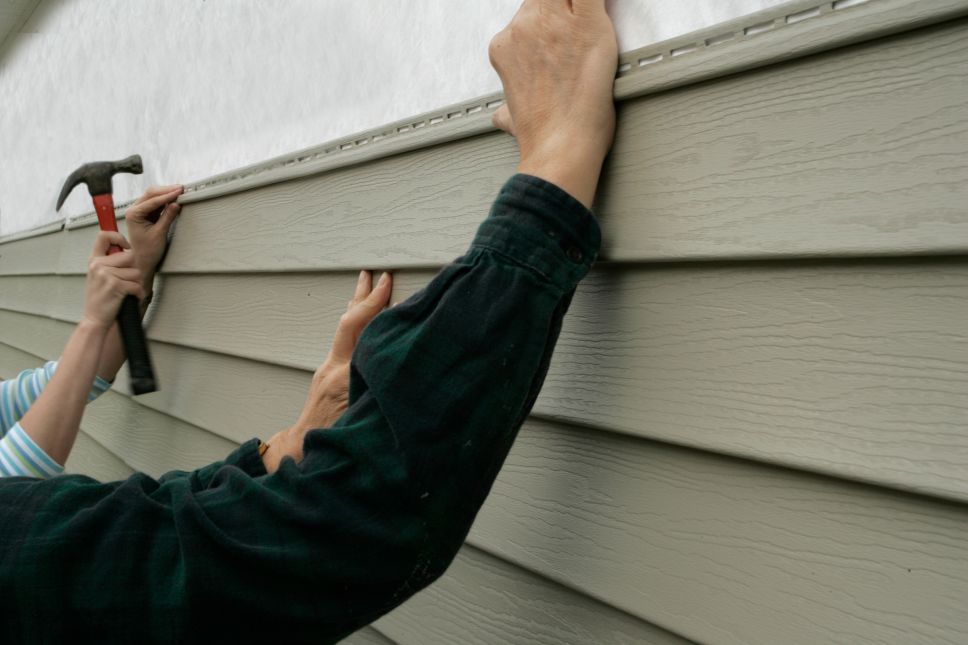
Replacing your home’s siding can seem like a big task, but it’s a great way to boost curb appeal, value, and energy efficiency.
Whether your siding is worn out, damaged, or outdated, this upgrade offers a fresh look and better protection.
In this guide, we’ll break down the factors that affect the cost, siding materials, and how to prepare for the replacement.
How much does it cost to replace siding on a house?
The siding replacement cost depends on your home’s size, material, and labor. To see current offers and deals, visit our Promotions page.
Key Takeaways
- The average cost of replacing siding varies greatly depending on the type of material, the size of your home, and the complexity of the installation.
- Vinyl, wood, fiber cement, and metal are popular choices, each offering unique benefits and drawbacks.
- Homeowners can save on costs by opting for DIY installation or working with experienced contractors for professional service.
Why Replace Siding?
Before diving into the costs, it’s important to understand why you might want to replace your home’s siding.
Over time, siding can become damaged by weather conditions, pests, or simply general wear and tear. The most common signs your siding needs attention include visible cracks, warping, fading, loose panels, and moisture damage. Addressing these issues early can help prevent more costly repairs and protect your home’s exterior.
The most common reasons for siding replacement include:
Aesthetic Appeal: Over the years, siding can fade, crack, or become outdated, making the exterior of your home look tired or unattractive.
Energy Efficiency: Old or damaged siding can allow heat to escape during the winter or enter during the summer, resulting in higher energy bills. Replacing siding can improve insulation and energy efficiency.
Damage or Wear: Natural disasters like hailstorms, high winds, or even just regular weather exposure can cause significant damage to your siding. Replacing it ensures your home is properly protected.
Pest Infestation: Termites or other pests can infiltrate wooden siding, weakening the structure. Replacing damaged siding prevents further infestations and structural issues.
Factors Affecting the Cost of Replacing Siding
When planning a siding replacement, the overall cost can vary based on several important factors. Learning about these variables not only helps you estimate expenses more accurately but also explains Why new siding helps safeguard your home structure, allowing you to budget with greater confidence.
Below are the most significant factors that affect the price.
Type of Siding Material
The material you choose for your siding plays a major role in the overall cost. Different materials have varying price ranges, installation requirements, and longevity.
Some materials may be more expensive upfront, but save you money in the long run due to their durability and energy efficiency.
Here are the most common types of siding materials and their estimated costs.
Vinyl Siding: Vinyl is one of the most affordable options for siding. It is available in a range of colours and styles, and it requires minimal maintenance.
Wood Siding: Wood offers a natural and classic look, but it requires regular maintenance, including painting or staining.
Fiber Cement Siding: Fiber cement is a durable, low-maintenance option that mimics the look of wood or stone. It is fire-resistant and can withstand harsh weather conditions.
Metal Siding: Metal siding, such as aluminium or steel, is resistant to fire, pests, and weather conditions.
Brick or Stone Veneer: Brick and stone veneers are higher-end options that offer long-lasting durability and an upscale appearance. They are usually the most expensive among others.
Size of Your Home
The size of your home will significantly influence the cost of replacing the siding. Larger homes with more square footage require more materials, labour, and time to install.
The total square footage of your house’s exterior walls will determine the amount of siding you need. Be sure to measure the surface area before requesting quotes from contractors.
Smaller Homes (1,000–1,500 sq ft): These homes generally need less material and installation time, making the overall process more straightforward.
Medium-Sized Homes (1,500–2,500 sq ft): With more surface area, homes in this range may require additional materials and a slightly longer installation timeline.
Large Homes (2,500+ sq ft): Larger properties involve more planning, more material, and potentially extra work depending on architectural features or custom details.
Installation Complexity
The complexity of the installation can impact the final price of siding replacement.
If your home has complex architectural elements—like dormers, sharp angles, or custom-framed windows—it can slow down the process and drive up labor costs. This is similar to situations where people ask how long does it take to replace a garage door, as the answer often depends on the structure’s design and level of detail involved.
Simple, Straightforward Installations: Homes with basic rectangular or square shapes will generally have lower installation costs because the siding can be easily measured and applied.
Complex Installations: Homes with intricate designs, multiple levels, or difficult-to-reach areas may require additional preparation and professional expertise, driving up the cost.
Labor Costs
Labour costs can vary depending on where you live, the experience of the contractor, and the type of material being installed.
On average, labour costs can make up about 30–50% of the total price of the project. In areas with a higher cost of living, such as New York, San Francisco, or Los Angeles, labour costs will generally be higher.
Hourly Rates: Labor costs vary based on region and experience. Visit our promotions page to view current rates.
Some contractors charge a flat rate per square foot, while others may charge by the hour.
Recommended Guide: When to replace windows
Regional Differences: Contractors in urban areas or areas with higher costs of living may charge more for their services than those in rural or suburban areas.
Additional Costs
In addition to the cost of materials and labour, there are other costs that could be involved in the siding replacement process. These include:
Old Siding Removal: If your old siding needs to be removed, this will add an extra cost to your project.
Permits: Some local municipalities require permits for home improvements like siding replacement. Be sure to check with your local government about any permit fees before starting your project.
Upgrades or Custom Features: If you’re adding custom features, such as special trim, corner posts, or windows, the price will increase accordingly.
How to Reduce the Cost of Siding Replacement
If you're concerned about the high cost of replacing your siding, there are a few ways you can lower the overall price:
Replacing the siding on your home can be a significant expense, but there are several strategies you can use to reduce the overall cost.
If you're looking to save money without cutting corners, here are a few practical tips—especially if you're considering professional gutter replacement in Lansdale.
Choose a More Affordable Material
One of the most effective ways to lower the cost of siding replacement is by selecting a more budget-friendly material.
While options like stone or brick veneer can be beautiful, they tend to be much more expensive than alternatives like vinyl or wood. Vinyl siding, in particular, is a popular choice due to its durability, ease of maintenance, and affordability. Many homeowners looking into exterior upgrades, such as gutter installation and replacement in West Chester, often pair these improvements with vinyl siding for a cohesive and cost-effective home update.
Wood siding is another option that can provide a natural look at a lower price point compared to high-end materials.
Choosing a more budget-friendly material can greatly reduce the overall cost of your siding replacement in Norristown, making the project much more affordable without compromising on quality.
Consider DIY Installation
Siding installation is a complex job, but if you have experience with DIY home improvement projects and the right tools, you might be able to tackle the job yourself.
By handling the installation, you can save on labour costs, which typically make up a significant portion of the total price.
However, it’s important to assess your skills and knowledge before deciding to take on the project. Improper installation could lead to long-term issues and additional costs.
If you're confident in your abilities, DIY installation can be a great way to reduce the cost of replacing your siding.
Get Multiple Quotes
When planning a siding replacement, it’s always wise to get multiple quotes from different contractors.
By obtaining estimates from several companies, you can compare prices and services to ensure you're getting the best deal.
It’s important to ask contractors about any potential hidden costs, such as additional fees for prep work or disposal of old materials.
You should also inquire about the contractor’s experience with the specific material you've chosen to ensure they are qualified to install it properly.
Getting multiple quotes gives you a better sense of what the market rate is and helps you make an informed decision.
Look for Financing Options
If the upfront cost of siding replacement is a concern, consider looking into financing options.
Some contractors or manufacturers offer financing plans that allow you to spread the cost over time.
While this can help ease the financial burden, it’s crucial to understand the terms and interest rates before committing.
Be sure to read the fine print and ask questions about any fees or hidden charges. Financing can make the project more affordable in the short term, but make sure it fits within your budget in the long run.
Replacing your siding doesn’t have to break the bank.
By choosing a more affordable material, considering DIY installation, getting multiple quotes, and exploring financing options, you can significantly reduce the cost of your siding replacement.
Taking these steps will help ensure that you get the best value for your money without compromising the quality or appearance of your home.
Frequently Asked Questions
1. How long does it take to replace siding on a house?
On average, it takes about 1 to 3 weeks to replace the siding on a house, depending on the size of the home and the complexity of the installation.
2. Can I replace my siding myself?
While it’s possible to replace siding yourself, it requires skill and experience. If you’re not comfortable with the process, hiring a professional is recommended.
3. Is replacing siding worth the investment?
Yes, replacing siding can add significant value to your home, improve energy efficiency, and enhance curb appeal. The return on investment varies, but it typically increases your home’s resale value.
Conclusion
Replacing the siding on your house is a significant investment, but it’s one that can improve the appearance, comfort, and value of your home.
By understanding the different factors that influence the cost, such as material choice, size, and complexity, you can make an informed decision about what’s best for your home and budget.
Whether you opt for a cost-effective vinyl option or invest in more durable and high-end materials, replacing your siding can provide long-lasting benefits.
Take the time to research contractors, get multiple quotes, and consider the advantages and disadvantages of different materials to ensure that you make the right choice for your home.