

 Back to Blogs
How Much Does It Cost to Replace Vinyl Siding?
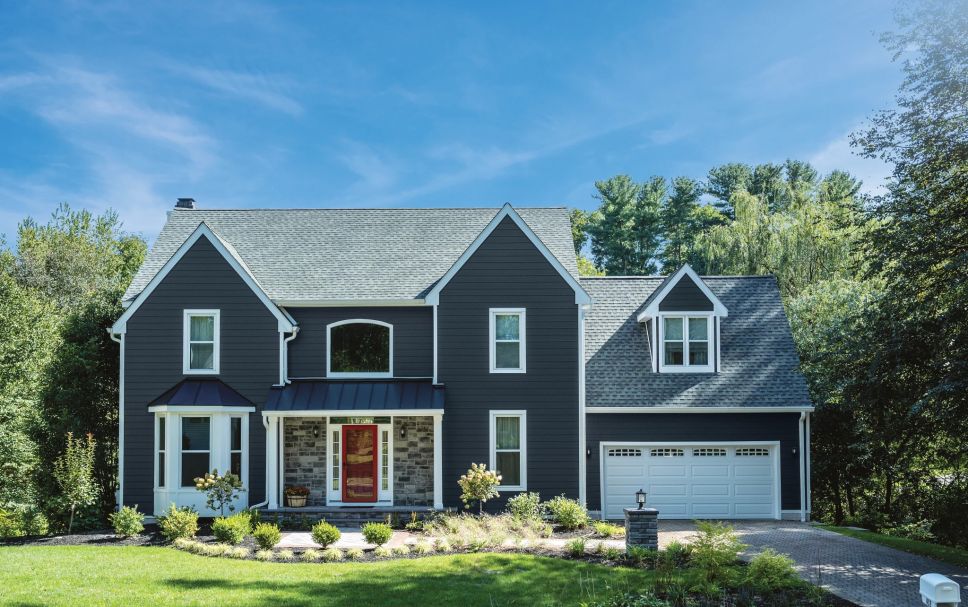
Replacing vinyl siding is a big project, and the price tag can vary more than most homeowners expect. Costs depend on factors like material quality, home size, and installation complexity.
This guide breaks down what influences the price so you can budget smart and avoid surprises.
How much does it cost to replace vinyl siding?
Replacing vinyl siding comes with a wide range of costs that depend on factors like the type of material chosen, the size of the home, and the complexity of the installation. Labour requirements, design preferences, and whether any repairs are needed beneath the existing siding can also affect the overall expense.
Key Takeaway
- Total costs vary based on siding material, home size, labour, and add-ons
- Larger homes naturally push the budget higher
- Standard vinyl is typically the most economical choice
- Insulated vinyl adds durability and energy efficiency
- Premium options offer higher-end aesthetics and performance
- Always set aside an extra 10–15% for unexpected expenses
- DIY can cut labour costs but comes with risk of costly mistakes
What Impacts Vinyl Siding Replacement Cost?
Type of Siding: Not all vinyl is created equal. Standard panels are budget-friendly, but premium insulated or designer styles come with a higher price tag. Choosing the right grade depends on your budget and how long you want it to last.
Size of Your Home: The larger the exterior surface, the more siding you’ll need. A small ranch house will cost less than a two-story home simply because of material coverage and labour time.
Labour and Installation: Skilled installers often charge more, but you’ll avoid costly mistakes and future repairs. Keep in mind, labour rates vary by region, so get multiple quotes before committing.
Removal of Old Siding: If your existing siding is damaged or needs to be stripped before new panels go up, that adds extra time and disposal fees. Factoring this in helps avoid surprise costs later.
Additional Features: Windows, doors, trim, and corners all require detailed cutting and fitting. When planning a project, especially one that may also involve work like siding replacement in Doylestown, more architectural details generally lead to higher labour and material costs. Opting for simpler designs can often help keep expenses down.
Average Cost Breakdown by Vinyl Siding Type
Standard Vinyl Siding
This is the no-frills option most people start with. It’s lightweight, easy to install, and a practical way to keep overall costs down. If you just want a clean look without extra bells and whistles, this is the budget-friendly play.
Insulated Vinyl Siding
Want better energy efficiency without breaking the bank? Insulated vinyl is like standard siding with a built-in hoodie. It comes with foam backing that helps regulate temps inside your home.
Board and Batten Vinyl Siding
This style adds vertical flair, bringing a farmhouse-meets-modern look to your space. It leans on the trendier side, making it a standout choice for those wanting both charm and a contemporary edge.
Think of it as the middle ground: more stylish than standard, cheaper than premium.
Shake and Shingle Vinyl Siding
If you’re chasing the “beach house” or “cottage core” vibe, this siding nails it. It captures the look of real wood shakes but saves you from the never-ending upkeep.
It’s all about charm, texture, and instant curb appeal without the hassle of constant maintenance.
Premium Vinyl Siding
This is the top-shelf choice: thicker panels, deeper textures, and rich colours designed to last. It’s the closest look to real wood without the hassle of ongoing maintenance.
Premium vinyl siding instantly elevates the appearance and feel of your home, combining durability with timeless style.
Additional Cost Factors to Consider
Even if you’ve budgeted for siding and labour, there are sneaky extras that can nudge the final bill higher. Here’s what usually creeps in:
- Old Siding Removal: If your existing siding has to come off first, that’s extra labour. The older and more damaged it is, the pricier the teardown.
- Disposal Fees: Tossing out your old siding isn’t free. Many contractors charge for hauling and landfill costs.
- Insulation Upgrades: If your walls need new insulation, it’ll add upfront cost. The trade-off? Lower energy bills later.
- Trim and Accessories: Think shutters, fascia boards, soffits. They’re not always included in the base siding price but can make or break curb appeal.
- Repairs Underneath: Once the siding comes off, hidden issues might pop up. Rotted wood or water damage? Fixing it is non-negotiable.
- Labour Complexity: Tall homes, tricky corners, or custom designs usually mean more time and more cash.
Pro tip: Always pad your budget by 10–15%. That way, surprise costs won’t throw your whole project off balance.
Cost by Home Size Examples
Vinyl siding costs scale with the size of your home, so here’s how it usually plays out.
For a smaller home, like a 1,200 sq. ft. ranch, you’ll need less siding overall. It’s a quicker job with fewer walls to cover, making the project simpler.
Move up to an average two-story, around 2,000 sq. ft., and things get more involved. More wall space means more siding, and extra details like trim and corners add to the scope of work.
Larger homes in the 3,000 sq. ft. range require a lot more material and labour. It’s a bigger project that takes more time and planning, but the transformation is often dramatic.
The hack here? Always get multiple quotes. Two houses with the same square footage can have very different costs depending on the layout, siding style, and even local labour rates. Comparing estimates helps you spot when a contractor’s bid makes sense—or when it’s out of line.
DIY vs. Hiring a Professional
Going DIY with vinyl siding can feel like a money-saving cheat code. You skip labour costs and get full bragging rights when the job’s done. But here’s the catch: siding isn’t just a “slap it on and flex” project. One wrong cut and you’re shopping for more panels, not celebrating.
Bringing in a pro costs more upfront, but you’re paying for speed, precision, and zero stress. They’ll spot issues like hidden rot or insulation gaps that you might overlook. Plus, your weekends stay free for things you actually enjoy.
Bottom line: if you’ve got solid tools, patience, and skill, DIY can work. If not, calling a pro is the smarter long play. Think of it like sneakers—you can tape up an old pair, but investing in quality keeps you moving without blisters.
How to Save Money on Vinyl Siding Replacement
Replacing siding doesn’t have to empty your wallet. The cheat code? Timing. Book your project off-season, like late fall, when contractors are less busy and rates drop.
You can also mix and match. Instead of swapping every panel, replace only the damaged sections and give the rest a deep clean. It’s a facelift without the full plastic surgery bill.
Another pro move: source materials yourself. Sometimes local suppliers run sales that beat contractor markups. Just make sure what you buy matches your home’s specs.
Finally, don’t overlook regular maintenance. A quick wash and small repairs today can save you from costly fixes later, and understanding The role of siding replacement in protecting your house exterior helps reinforce why staying proactive matters. Think of it like sneakers: clean them now or you may have to replace them much sooner.
Vinyl Siding vs. Other Siding Materials (Cost Comparison)
Vinyl siding is the budget-friendly champ of the siding world. On average, it costs far less than wood, fibre cement, or brick, and you still get a polished look without torching your savings.
Wood siding looks great but comes with constant maintenance and a price tag that feels more luxury car than home project. Fibre cement is durable, but it’s heavier, trickier to install, and the upfront cost hits harder. Brick? Gorgeous, sure. But unless you’ve got deep pockets, it’s overkill for most homeowners.
Vinyl keeps it simple: lower material costs, quicker installs, and minimal upkeep. You don’t need to repaint, reseal, or stress over rot. Think of it as the cheat code for siding—affordable, stylish, and built to last. If you’re comparing options, vinyl wins on value every time.
Conclusion
Vinyl siding is one of those rare upgrades that pays you back in looks, comfort, and low maintenance. The upfront cost might feel like a splurge, but the long-term durability makes it a smart move.
If you want a home exterior that flexes hard without draining your weekends or wallet, vinyl’s the cheat code. It’s sleek, tough, and still budget-friendly compared to most alternatives.
Choosing vinyl siding isn’t just a repair, it’s an upgrade you’ll actually brag about.
Frequently Asked Questions
-
Absolutely. It’s the rare combo of affordable upfront pricing and low maintenance down the road. You’re not repainting every few years, which means money saved and weekends free.
-
Think decades, not years. With proper care, it can flex anywhere from 20–40 years. That’s serious staying power for something that doesn’t demand constant upkeep.
-
Yep. Rain, wind, snow, even blazing summers—it takes the hits and still looks sharp. Plus, it doesn’t warp or rot like wood, so you’re always ahead in the durability game.