

 Back to Blogs
Why Is My Garage Door Louder Than It Used to Be?
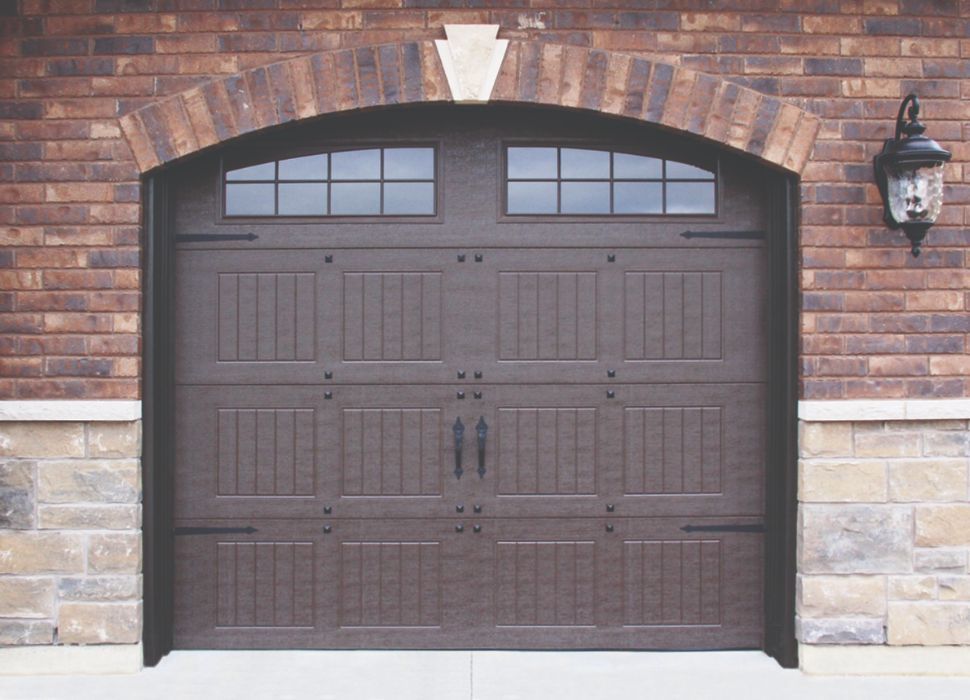
A garage door that once opened quietly shouldn't suddenly sound like it's working against itself. In most cases, noisy garage door causes come down to a handful of common issues, from worn hardware to an aging door nearing the end of its lifespan. Here's what that noise usually means and what to do about it.
Noisy Garage Door Causes to Watch For
A few issues account for most of the noise homeowners notice over time:
- Worn or unlubricated rollers grinding against the track.
- Loose hardware, including bolts, hinges, and bracket screws
- Aging springs that have lost tension or flexibility
- Tracks that have shifted out of alignment
- An older chain-drive opener, which tends to run louder than newer models
- A garage door nearing the end of its expected lifespan, where general wear affects how smoothly it operates
What Different Noises Might Mean
Why is my garage door making a grinding noise? Grinding often indicates worn rollers or a track that needs attention, as the rollers are no longer moving smoothly along their path.
Why does my garage door squeak when opening? Squeaking is one of the more common causes of noisy garage doors and is frequently tied to hinges or rollers that have gone without lubrication for a while.
Why is my garage door rattling? Rattling is usually a sign of loose hardware. Bolts and screws on the tracks or panels can work themselves loose through repeated daily use.
Why does my garage door make a banging sound? A banging or popping sound, especially during opening, can point to spring tension issues and may be one of the signs your garage door springs are nearing the end of their lifespan. Because springs carry significant force, they should only be evaluated by a professional.
Simple Maintenance That Can Help
A few general maintenance habits can keep a garage door running more quietly for longer:
- Wipe down and inspect the tracks periodically for debris or buildup.
- Check visible bolts and screws to see if any have loosened over time.
- Apply a garage door lubricant to the rollers and hinges according to the manufacturer's guidance.
- Watch for uneven movement, which can indicate the door needs a closer look.
Spring adjustments and track realignment involve real safety risks and are best left to a professional rather than attempted as a DIY fix.
When Noise Signals It's Time for a New Garage Door
Is a noisy garage door always a sign it needs to be replaced? Not always. Some noise can be addressed through routine maintenance. But when the noise is persistent, paired with slow or jerky movement, or affecting an already old door, it often indicates the door is simply reaching the end of its useful life.
Consistent noise on an aging door is one of several signs it may be time to consider a full garage door replacement rather than repeated adjustments to individual parts. If you're seeing these signs, you can explore your garage door replacement options and determine which solution best fits your home's needs.
Choosing a Quieter, More Durable Garage Door
What makes a new garage door quieter than an old one? Newer doors benefit from properly fitted hardware, tighter tolerances, and, in many cases, added insulation that can help dampen sound during operation.
Window World of Philadelphia installs Amarr garage doors, including the Amarr Classica, Amarr Lincoln, and Amarr Hillcrest series, each available in single-layer steel or insulated steel construction depending on the model. Every garage door is backed by a Lifetime Limited Warranty for long-term peace of mind. Restrictions may apply; for complete details, contact Window World of Philadelphia.
If you're comparing styles, our article on the Amarr Classica garage door covers its design and construction in more detail.
Conclusion
Noisy garage door causes usually trace back to a specific, identifiable issue, whether that's worn hardware, an aging spring, or a door that's reached the end of its lifespan. If the noise keeps coming back no matter what you check, it may be worth having your door evaluated.
Request a free quote and find out whether your garage door has more life left or if it's time for something new.
Frequently Asked Questions
-
Worn rollers, loose hardware, aging springs, misaligned tracks, and older chain-drive openers are among the most common reasons a garage door becomes louder over time.
-
A sudden change in noise often points to a specific issue, such as a loose bolt or a worn roller, rather than gradual wear across the whole door.
-
Lubricating the rollers and hinges can reduce squeaking caused by friction, though it won't resolve issues related to worn parts or spring tension.
-
No. Garage door springs are under significant tension and should only be handled by a trained professional due to the safety risk involved.
-
When noise is persistent, accompanied by jerky movement, or affecting an old door, replacement is often a more lasting solution than repeated adjustments.