

 Back to Blogs
Signs Your Garage Door Springs Are Nearing the End of Their Lifespan
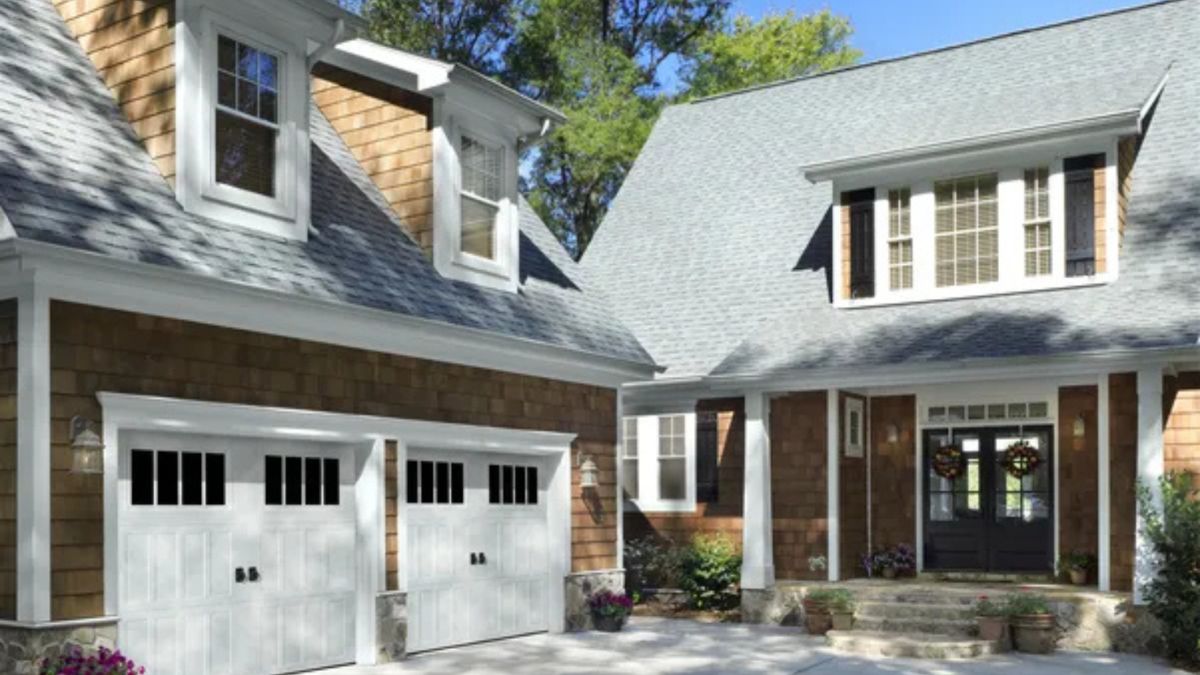
Garage door spring lifespan depends on how often the door operates, the type of springs installed, and the conditions around the system. A spring can work normally for years, then start showing clear signs of wear before it finally fails.
For Philadelphia homeowners, knowing those warning signs matters. A broken spring can leave a garage door difficult or impossible to open, so catching the problem early can help you plan for replacement instead of dealing with a sudden failure.
Quick Summary
A typical garage door spring is often rated for around 10,000 opening-and-closing cycles, though actual lifespan varies. Signs of worn garage door springs include unusual noise, a heavier door, uneven movement, visible gaps or damage, and difficulty opening.
How Long Do Garage Door Springs Last?
Many standard springs are rated for about 10,000 cycles, which can translate to several years of normal residential use. Heavier use can shorten that timeline, while spring type and maintenance also affect performance.
What can affect spring lifespan?
- How often the garage door opens each day
- Spring type and cycle rating
- Door weight and balance
- Weather and temperature changes
- General maintenance and wear
Philadelphia's seasonal temperature swings can also put additional stress on garage door components.
What Are the Signs of Worn Garage Door Springs?
Garage door spring failure does not always happen without warning. Your door may behave differently as the springs lose their ability to counterbalance its weight.
Watch for these signs:
The door feels heavier: A door that suddenly feels unusually heavy may indicate that the springs are no longer providing enough assistance.
- Uneven movement: The door may lift unevenly or appear to tilt as it opens.
- Unusual sounds: Loud popping, snapping, or grinding sounds deserve attention.
- Visible spring damage: Gaps, rust, worn areas, or a visibly separated spring can indicate deterioration.
- Difficulty opening: A weakening spring can make the door harder to lift or prevent it from opening normally.
Why Does a Garage Door Spring Break?
Springs work under repeated tension every time the door moves. Eventually, that repeated stress can weaken the metal.
Common contributors include:
- Frequent daily use
- Normal cycle wear
- Rust or corrosion
- Temperature changes
- An unbalanced garage door
A spring does not necessarily fail because the entire garage door is old. Sometimes the spring simply reaches the end of its expected cycle life.
What Happens When a Garage Door Spring Fails?
A broken spring can make the garage door extremely heavy. You may hear a loud bang when the spring breaks, followed by a door that will not open normally.
Do not keep trying to operate a door that suddenly becomes heavy or stops working correctly.
A failed spring can also affect:
- Door balance
- Cables and other hardware
- The garage door opener
- Safe operation of the door
The opener is not designed to compensate for a broken spring indefinitely.
Does an Old Spring Mean You Need a New Garage Door?
Not necessarily. A worn spring can often be addressed without replacing the entire garage door.
A full replacement becomes more relevant when the door has several problems, including damaged panels, poor operation, significant wear, or repeated failures across multiple components. In those cases, replacing the garage door may be a more practical long-term option.
Looking at the whole system helps determine whether the spring is the main issue or simply one symptom of an aging garage door.
Do Not Wait for a Spring to Snap
Garage door spring lifespan is not something you can predict by age alone. How often you use the door and the condition of the entire system matter just as much.
At Window World of Philadelphia, we can assess your garage door, look at the springs and other components, and help you understand whether repair or replacement makes sense.
Get a Free Quote and let us take a closer look before a worn spring becomes a bigger problem.
Frequently Asked Questions
-
Many standard garage door springs are rated for about 10,000 cycles. How quickly those cycles are used depends on how often your household opens and closes the door.
-
A noticeably heavier door is one common warning sign. You may also hear unusual sounds or notice uneven movement as the spring loses tension.
-
Cold temperatures can affect spring performance and may make existing wear more noticeable. Seasonal temperature changes can add stress to an already aging spring.
-
That depends on the setup and condition of the springs. A professional can determine whether replacing one or both makes sense based on their age and wear.
-
It is best not to operate it. A broken spring can leave the door extremely heavy and create additional safety risks, so professional evaluation is recommended.