

 Back to Blogs
Why Do Garage Door Panels Start Warping or Cracking?
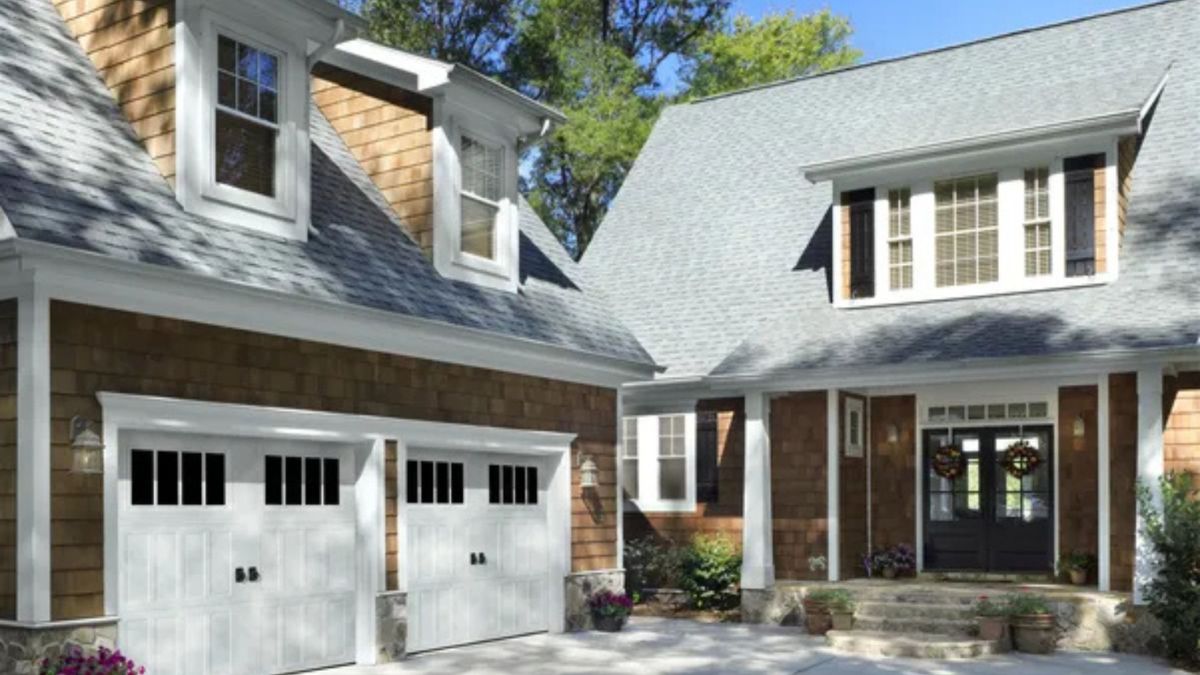
Your garage door does more than open and close. It shields your home, boosts curb appeal, and adds real value to your property. So when garage door panels begin to warp or crack, it feels both frustrating and confusing.
We work with homeowners across Philadelphia every day, and this is one of the most common concerns we hear. In this guide, we break down why these problems happen and what you can do to fix them for good.
What Causes Garage Door Panels to Warp or Crack?
Warping and cracking rarely happen overnight. They build up slowly through a mix of weather, material stress, and everyday wear. Understanding the root cause helps you pick the right fix and prevent future damage.
The good news is that most of these causes are predictable. Once you know which side of your door faces in our local climate, you can plan smarter and protect it long before real damage sets in.
Moisture and Humidity
Philadelphia's weather brings plenty of rain, snow, and humidity year-round. When moisture damage seeps into wood or lower-grade materials, panels swell, bend, and lose their shape. Over time, trapped water weakens the surface, leading to visible warping.
Vinyl and insulated steel handle this challenge far better than bare wood. That is why material choice matters so much in a damp, changeable climate like ours.
Extreme Temperature Swings
Our region sees hot summers and freezing winters. This constant thermal expansion and contraction stresses the panels. Materials grow in heat and shrink in cold, and that repeated movement slowly causes cracks along the seams and edges.
Sun Exposure and UV Damage
South-facing and west-facing doors take a beating from direct sunlight. Years of UV exposure fade the finish and break down the outer layer. Once that protective coating wears thin, panels turn brittle and are far more likely to crack.
Age and Material Fatigue
Every garage door has a lifespan. As panels age, the material naturally loses strength and flexibility. Older doors made of thin steel or untreated wood are especially prone to weather damage, warping, and cracking as the years go by.
Impact and Physical Damage
Sometimes the cause is simple. A stray basketball, a bumped bumper, or a heavy storm can dent or crack a panel in seconds. Even small impacts weaken the door's structural integrity and set the stage for bigger problems later.
If a panel is dented but still solid, keep a close eye on it. Small cracks tend to widen with each freeze, so early attention saves you real money down the road.
How Warping and Cracking Affect Your Home
Damaged garage door panels are more than a cosmetic issue. Gaps and warping let outside air slip inside, which can hurt energy efficiency and increase heating and cooling costs. A cracked or bent door can also place extra strain on the opener, springs, and tracks, so it is important to check your garage door springs regularly for signs of wear. Ignoring these issues can lead to costly mechanical failures and make the door unsafe to operate.
There is a security angle too. Weakened panels are easier to force open, and a damaged door quietly signals that your home may not be well protected. Appearance matters as well. A sagging or split door drags down the look of your whole exterior, and that impression sticks with buyers, neighbours, and guests who pull into your driveway.
Can Warped Garage Door Panels Be Repaired or Replaced?
Minor surface issues can sometimes be patched, but patching rarely solves the underlying problem if warping alters the panel's shape or ruins the insulation; a full replacement usually delivers better long-term value. We help Philadelphia homeowners weigh their options honestly, including those considering Havertown garage door replacement when several panels are cracked, sagging, or letting in air. In these situations, replacing the door can often cost less over time than repeated repairs.
We always start by inspecting the full door, not just the damaged spot. That way, you get a clear picture of the panel condition, the hardware, and whether a repair will truly hold up. Modern replacement doors also arrive with stronger materials and improved insulation, so you gain comfort, quieter operation, and better home value all at once.
How to Protect Your Garage Door for the Long Term
A little care goes a long way. Wash your door a few times a year to remove dirt, road salt, and grime that accelerate surface breakdown.
Inspect the panels each season for early signs of warping, rust, or thin spots. Catching weather damage early keeps small problems from turning into full replacements. Keep the weatherstripping and seals in good shape, too. Fresh seals block wind-driven rain and cold drafts, which eases the moisture and temperature stress that warps panels first.
Choosing quality materials from the start matters most. Well-built doors resist thermal expansion, moisture, and UV wear far better, which protects your investment for many years to come. The right materials also improve garage door performance in Pennsylvania weather, helping your door handle seasonal changes, humidity, and temperature swings more effectively. When you are ready to upgrade, we offer durable garage doors designed for our local climate. Our team handles professional installation with care and respect for your home from the first knock to the final walkthrough.
Ready to Restore Your Garage Door?
Warped or cracked garage door panels never fix themselves, and waiting only lets the damage spread. If your door looks tired or feels drafty, now is the perfect moment to act.
We would love to show Philadelphia homeowners how a quality garage door replacement can refresh their curb appeal, security, and comfort in one simple move. Reach out today and claim your free, no-pressure in-home quote from our trusted local Philadelphia team.
Frequently Asked Questions
-
Most panels last many years with proper care, though local weather, material quality, and sun exposure all influence how quickly warping or cracking appears.
-
Sometimes yes, but matching an older panel can be tricky. When several panels show heavy wear, a full door replacement often gives better results and stronger value.
-
Yes. Warped panels create gaps that let conditioned air escape, forcing your heating and cooling system to work harder and raising your monthly bills.
-
Absolutely. Insulated doors handle our temperature swings better, boost energy efficiency, and reduce the stress that leads to cracking and warping over time.
-
If your panels are cracked, sagging, hard to open, or letting in drafts, replacement is usually the smarter, safer, and more affordable long-term choice.