

 Back to Blogs
What Causes Roof Leaks Around Chimneys in Older Philly Homes?
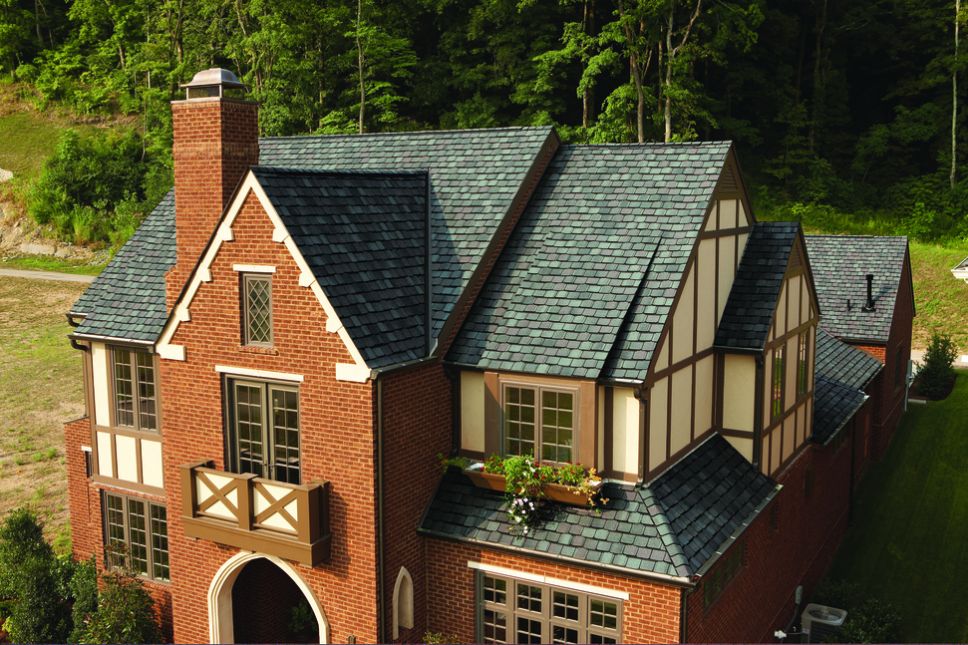
If you own an older home in Philadelphia, chances are your chimney has seen better days. Between the city's brutal winters, rainy springs, and the sheer age of many row homes and twin houses throughout the area, chimney and roof leaks are one of the most common complaints homeowners deal with.
The frustrating part? The damage is often already significant by the time you notice a water stain on your ceiling. So what exactly is going on up there? Let's walk through the most likely culprits.
The Real Reason Water Gets In Around Chimneys
Before we get into specific causes, it helps to understand one key thing. The area where your chimney meets your roof is one of the most vulnerable spots on your entire home. It is a transition point between two very different materials, and water will always find a way into any gap, crack, or weak seal it can.
In older Philadelphia homes, that vulnerability is often magnified by decades of weather exposure, deferred maintenance, and materials that simply were not built to last forever.
1. Damaged or Missing Chimney Flashing
Chimney flashing is the thin metal material that seals the joint between your chimney and the roof surface. It is your first line of defense against water intrusion, and it is also one of the first things to fail.
In homes that are 30, 40, or 50 years old, the original flashing may have corroded, lifted, or separated from the chimney wall. In some cases, homeowners or previous owners applied caulk or roofing tar as a patch, which works temporarily but eventually cracks and shrinks. When the flashing seal fails, water flows directly into the roof deck and down into the home.
2. Cracked or Deteriorated Chimney Crown
The chimney crown is the concrete or mortar cap that covers the top of the chimney, leaving only the flue opening exposed. It is designed to direct water away from the sides of the chimney and prevent it from soaking into the masonry below.
Philadelphia weather is particularly hard on chimney crowns. Freeze-thaw cycles through the winter cause concrete to expand and contract repeatedly, which leads to cracking over time. Once the crown starts to crack, water seeps into the chimney structure itself and travels down into your home. A crown that looks fine from the ground may already have significant damage you cannot see.
3. Failing to Flash Step Along the Chimney's Sides
Most people are familiar with the flat flashing at the base of a chimney, but step flashing is a series of small, interlocking metal pieces that run up the sides of the chimney where it meets the roof slope. Each piece overlaps the one below it, like shingles, to direct water downward.
When step flashing rusts, pulls away from the chimney, or was installed incorrectly to begin with, water has a direct path into the home every time it rains. In older Philadelphia roofing systems, step flashing often was not installed with the same precision required today, and age has only made those original weaknesses worse.
4. Worn or Missing Mortar Joints
The mortar joints between the bricks of your chimney do not last forever. Over time, the mortar breaks down through a process called spalling, where moisture repeatedly enters the brick, freezes, expands, and chips the material apart.
Once mortar joints begin to deteriorate, bricks become loose and porous. Water no longer has to find a small gap; it soaks directly through the chimney wall and makes its way into your attic or living space. This issue is extremely common in Philadelphia's older housing stock, where many chimneys have not been repointed in decades.
5. Improperly Installed or Aging Roof Shingles Near the Chimney
The shingles surrounding your chimney work in combination with the flashing to create a watertight barrier. If those shingles are curling, cracking, or lifting, they create openings that allow water to pool and work its way underneath.
In many cases, the problem is not the chimney at all. It is the aging roof system around it. If your roof is approaching or past its expected lifespan, the shingles near the chimney are often the first to show deterioration because of the added stress of heat from the flue and water runoff patterns.
6. Condensation Inside the Flue
This one surprises a lot of homeowners. Not every chimney leak is caused by rain getting in from the outside. If your chimney is not properly lined or insulated, warm air moving up through the flue can meet the cooler masonry and condense into moisture. That flue condensation can accumulate and eventually show up as water staining or dampness inside your home.
This is especially common in older Philadelphia homes where fireplaces have been converted to gas inserts, since the cooler exhaust from gas appliances produces more condensation than traditional wood-burning fires.
Why Professional Inspection Matters More Than You Think
A lot of homeowners make the mistake of assuming a chimney leak is minor because they only see a small water stain. But by the time a stain shows up inside, the water has often been traveling through your roof deck, insulation, and framing for quite a while.
A professional roof inspection gives you peace of mind by helping identify damage at its source before it turns into a costly repair. If chimney flashing problems are extensive, an inspection can also determine whether a full roof replacement is a better long-term solution. Attempting to diagnose or patch these issues yourself may lead to modifications that void your roof warranty and create additional problems down the line.
Conclusion
At Window World of Philadelphia, we understand what older homes in this city go through every single year. As America's exterior remodeler, we bring professional-grade roofing solutions to homeowners across the Philadelphia area, backed by a lifetime limited warranty that gives you real peace of mind.
Our roofing products are built for durability, energy efficiency, and long-term performance. Whether you are dealing with an active chimney leak or looking to prevent future issues before the next rainy season, exploring our roof maintenance guide can help you stay ahead of potential damage while our team provides the expert solutions you need to protect your home.
Over 25 million windows and exterior products installed for more than 3.8 million customers nationwide. That kind of experience does not happen by accident. It happens because we do the job right.
Ready to stop guessing what is going on with your roof? Schedule your free quote today with Window World of Philadelphia and let our experts give your home the professional attention it deserves.
Restrictions may apply. For complete details, see the warranty page on our website.
Frequently Asked Questions
-
The best way to pinpoint the source is through a professional roof inspection. Water travels before it shows up as a stain, so the visible damage inside your home is rarely directly below the actual entry point. A trained roofing professional can trace the moisture back to its source accurately.
-
Original flashing on older homes can last anywhere from 15 to 30 years, depending on the material and installation quality. However, in Philadelphia's climate, with frequent freeze-thaw cycles and heavy seasonal rain, deterioration often happens faster. If your home is more than 20 years old and the flashing has never been replaced, it is worth having it inspected.
-
DIY patches using caulk or roofing cement are a short-term stopgap at best. They rarely address the underlying cause and can sometimes make proper repairs more complicated later. More importantly, improper repairs can void your roof warranty. Professional installation ensures the work is done correctly and that your warranty remains intact.
-
Yes, and this is one of the most important reasons to address chimney leaks early. Prolonged moisture exposure leads to mold growth in attic insulation and framing and wood rot in roof decking and rafters and can compromise the structural integrity of your roof system over time. Early detection saves significantly on repair costs.
-
Yes. Window World of Philadelphia provides professional roofing services backed by a lifetime limited warranty. If your roof has been compromised by age, chimney flashing failure, or storm damage, our team can assess the condition and recommend the right solution for your home. Contact us to schedule your free quote.