
 Back to Blogs
Why Are Dark Stains Appearing on My Roof?
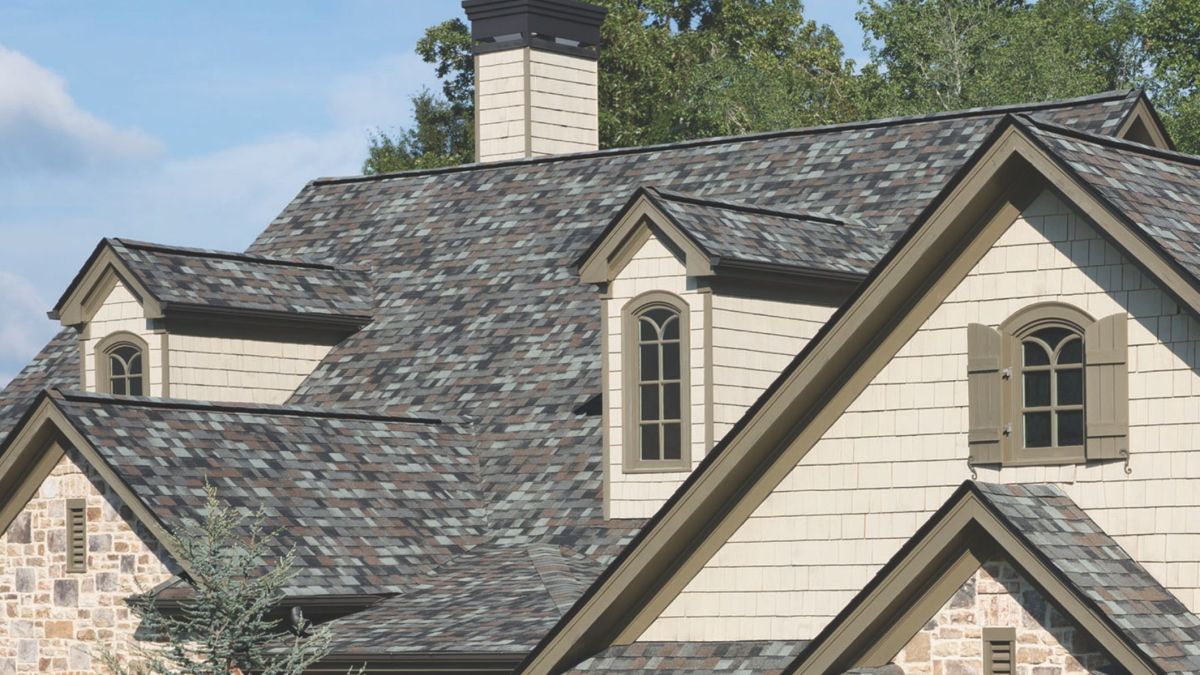
You pull into your Philadelphia driveway, glance up, and notice them: dark, streaky lines running down your shingles. Those stains on roof surfaces seem to appear out of nowhere and only get worse over time.
The good news is that we know exactly what causes them, and we can help. Understanding why these marks show up is the first step toward protecting your home's value and appearance.
What Actually Causes Dark Stains on Roof Shingles?
Most homeowners assume the discoloration is dirt, soot, or a sign of a failing roof. In reality, those dark streaks are living organisms. The culprit is a blue-green algae called Gloeocapsa magma.
This airborne algae travels on the wind, lands on your shingles, and settles into damp areas. Once it takes hold, it spreads slowly across the surface and leaves behind the dark trails you see from the street. Because the algae is alive, it does not simply wash away in the next storm. It anchors itself to the granules and continues feeding, which is why the streaks return and darken season after season.
You might wonder why algae would target a rooftop. The answer lies in what your shingles are made of. Asphalt shingles contain a limestone filler, and that limestone is the algae's favorite food source. As the roof algae feeds and multiplies, it forms a dark outer coating to shield itself from UV rays. That protective layer is why the cyanobacteria appear black rather than blue-green, and why the stains on roof shingles look so stubborn.
Why Does One Side of My Roof Look Worse?
If the streaks are heavier on one slope, you are not imagining it. Algae thrives in shade and moisture, so north-facing slopes that stay cool and damp are usually hit hardest.
Sections shaded by tall trees hold moisture longer after rain and morning dew. Those lingering damp conditions provide the exact environment algae need to grow and darken over time. In fact, How Tree Coverage Around Philadelphia Homes Can Affect Roof Lifespan is something many homeowners overlook, as dense tree canopies trap moisture, reduce sunlight, and create ideal conditions for algae, moss, and other organic growth that can gradually shorten a roof's service life.
Is It Algae, Mold, or Moss?
Not every dark mark is the same, and knowing the difference matters. Algae usually appear as flat, dark streaks that run downward with the flow of rainwater.
Moss, on the other hand, is green, thick, and spongy, and it tends to build up in roof valleys and along shingle edges. Lichen looks crusty and clings tightly to the surface. If the growth is raised, fuzzy, or green rather than a flat, dark streak, it may be moss or lichen rather than algae. Both hold extra moisture and deserve a professional look.
How Philadelphia's Climate Feeds the Problem
Our region is practically built for algae growth. Damp mornings, humid summers, and tree-lined neighborhoods create the perfect storm for stains on roof surfaces across the Delaware Valley.
Because the spores are airborne, they spread easily from house to house. If you spot streaks on your roof, chances are your neighbors are dealing with the same thing. Spotting the pattern across the block is often the clearest sign that algae, not age, is behind the discoloration on your shingles.
Are Stains on Roof Shingles Actually Harmful?
At first, the issue was mostly about curb appeal. Left alone, though, the algae can quietly work against your roof. As it grows, it loosens the protective granules on your shingles. That granule loss exposes the shingle beneath and can shorten your roof's lifespan over time.
The dark coating also absorbs heat instead of reflecting it, causing attic temperatures to rise and increasing cooling costs during Philadelphia's hottest months. As explained in Can Poor Attic Ventilation Accelerate Roof Deterioration?, excess heat and trapped moisture can speed up roof wear over time. The longer organic growth remains on your roof, the deeper it can work its way into your shingles. Addressing roof stains early helps prevent a cosmetic issue from developing into a more expensive structural problem.
How to Safely Remove and Prevent These Stains
Cleaning a roof the wrong way can cause more harm than the algae itself. Understanding the right approach protects both your roof and your wallet. Here is what we recommend.
Skip the Pressure Washer
It is tempting to blast the streaks away, but high-pressure strips granules off your shingles and damages the surface. A gentle, soft wash method is far safer and protects your roof's integrity.
Build Long-Term Protection
The smartest defense is stopping algae before it starts. Algae-resistant shingles use copper and zinc in their granules to create a surface on which algae cannot survive.
Trimming overhanging branches, keeping gutters clear, and removing debris from valleys also help your roof dry faster. A drier roof is a roof that algae struggles to colonize.
When Stains on Roof Shingles Signal a Replacement
Sometimes, streaking is only the surface story. If you also notice curling shingles, missing granules, or interior water spots, your roof may be nearing the end of its service life.
That is where we come in. Our Integrity Roofing System pairs durable, quality materials with professional installation, giving your Philadelphia home a fresh, protected, and lasting roofline.
Ready to Restore Your Roofline?
You do not have to live with streaks dragging down your home's appearance. Our team knows exactly how Philadelphia's weather affects local roofs, and we deliver solutions built to last. Every roof and every home is different, so we start by listening to your concerns and inspecting your shingles up close. From there, we walk you through clear, honest options with no pressure and no confusing sales talk.
Let us take a close look at your shingles and show you the difference a quality roof can make. Schedule your free in-home quote today, and let us help your home look its best from the top down.
Frequently Asked Questions
-
Not usually. The streaks are algae, not water damage. Still, we recommend an inspection if you also see interior water spots or curling shingles.
-
Often, yes. Cleaning removes the algae temporarily, but without algae-resistant shingles or preventive measures, the spores can return within a year or two.
-
You can, but climbing and cleaning a roof is risky. Improper methods damage shingles, so professional treatment or replacement is the safer, longer-lasting choice.
-
Typically not, since algae is considered a maintenance issue rather than sudden damage. Prevention and timely replacement remain your most reliable protection.
-
Absolutely. Given our humid climate and shaded neighborhoods, algae-resistant shingles offer real long-term value and help keep your roof looking clean for years.