

 Back to Blogs
What Causes Mold or Mildew Growth on Siding?
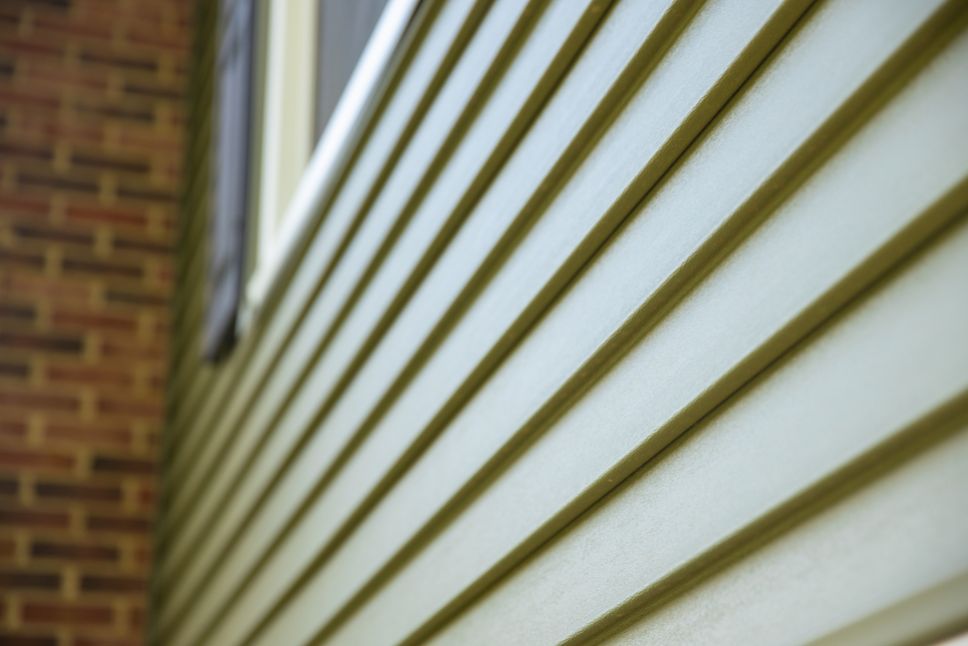
Have you ever walked outside, glanced at your home, and noticed dark green or black streaks creeping along your siding? It's not just unsightly. That fuzzy, discolored film is usually mold or mildew, and it's a sign that your home's exterior needs some attention. For homeowners across the Philadelphia area, this is a fairly common issue thanks to our humid summers, rainy springs, and shaded properties lined with trees.
The good news? Once you understand what's causing the growth, you can take steps to stop it and keep your home looking fresh year-round. Let's dig into the real reasons mold and mildew show up on vinyl siding and what you can do about it.
Understanding Mold and Mildew on Siding
Before pointing fingers at your siding, it helps to know what you're actually dealing with. Mildew is a surface-level fungus that usually appears as a powdery white, gray, or light green coating. Mold, on the other hand, tends to be darker, often black or deep green, and can penetrate deeper into porous surfaces.
Both thrive in the same conditions, which are moisture, warmth, shade, and organic material to feed on. While vinyl siding itself is not a food source for mold (one of the many reasons it's such a smart choice for exterior home remodeling), mold can still grow on dirt, pollen, and grime that collect on the surface over time.
Top Causes of Mold and Mildew Growth on Siding
1. Excess Moisture and Humidity
Moisture is the number one driver of fungal growth. In Philadelphia, our climate brings plenty of rain, snow, and high humidity levels, especially during summer months. When water gets trapped against your siding and doesn't dry quickly, mold and mildew have the perfect environment to multiply.
Common moisture sources include:
- Leaky gutters dripping water down the side of the house
- Sprinkler systems hitting the siding directly
- Poor drainage near your foundation
- Condensation from nearby HVAC units
2. Lack of Sunlight
Shaded areas of your home dry much more slowly than sun-exposed spots. North-facing walls, sections behind large trees, and areas blocked by fences or neighboring buildings tend to stay damp for long stretches. That lingering dampness is exactly what mildew needs to take hold.
If you've noticed your north-facing siding has more discoloration than the rest of your home, you're not imagining things. It's a textbook spot for mold growth.
3. Poor Air Circulation
When airflow around your home is limited by overgrown landscaping, dense shrubs, or close-set structures, humidity gets trapped against the siding. Without proper ventilation, the moisture has nowhere to go. Trimming back vegetation and keeping a few feet of clearance between plants and your siding can make a huge difference.
4. Dirt, Pollen, and Organic Debris
Although vinyl siding itself doesn't feed mold, the dirt and organic material that accumulate on it absolutely can. Pollen, leaves, spider webs, and airborne pollutants build up over time and create a thin layer where mildew can grow. This is why regular cleaning is one of the simplest and most effective ways to prevent buildup.
5. Clogged or Damaged Gutters
Your gutter system plays a bigger role in siding health than most homeowners realize. When gutters are clogged with leaves or sagging from damage, rainwater spills over and runs straight down your siding. That repeated exposure leads to streaking, staining, and yes, mold growth.
6. Roof and Flashing Issues
Sometimes the problem starts above your siding. Damaged shingles, missing flashing, or improperly sealed roof edges can allow water to trickle down behind or onto your siding. If you're seeing mold concentrated near the roofline, it's worth having both your roofing and siding inspected.
7. Aging or Damaged Siding
Older siding that has cracked, warped, or pulled away from the wall creates gaps where moisture can sneak behind the panels. Once water gets behind the siding, mold can grow on the sheathing and insulation, which is a much bigger problem than surface mildew. If your siding is showing signs of age, it may be time to consider New Siding for your home. Homeowners who want to learn about siding damage can better understand the warning signs and know when repairs or replacement may be necessary.
How to Prevent Mold and Mildew on Your Siding
Prevention is always easier than removal. Here are a few homeowner-friendly tips to keep your exterior looking its best:
- Clean your siding annually using a soft brush, a garden hose, and a gentle mix of water and mild soap.
- Avoid harsh chemicals or pressure washers on high settings, as those can damage the surface.
- Trim back trees, shrubs, and vines to improve airflow and let sunlight reach more of your siding.
- Keep gutters and downspouts clear so water flows away from your home properly.
- Redirect sprinklers so they aren't spraying directly onto your walls.
- Inspect your siding seasonally for cracks, gaps, or warped panels that could let water in.
When It's Time to Replace Your Siding
Sometimes cleaning isn't enough. If you're noticing recurring mold growth, water stains behind the panels, soft spots in the wall, or siding that's pulling away from your home, it may be time to consider replacement siding for your home as a long-term solution instead of repeated repairs.
Our energy-efficient vinyl siding is designed to resist moisture, fade, and weather damage, all while giving your home a fresh, modern look.
As America's #1 exterior remodeler, we've installed over 25 million windows for 3.8 million customers across the country, and our vinyl siding products are backed by a lifetime limited warranty for total peace of mind. Restrictions may apply.
Plus, our siding is made in the USA and built to handle Philadelphia's seasonal swings, from icy winters to muggy summers.
Ready to refresh your home's exterior?
Mold and mildew don't have to be a lasting part of your home's exterior. If you've noticed signs of moisture damage, learning How Moisture Behind Siding Can Lead to Hidden Structural Issues can help you understand the importance of taking action early. Whether you need a consultation or a complete siding replacement, our team at Window World of Philadelphia is here to help. We're locally owned, nationally known, and committed to delivering quality and value that lasts.
Schedule your free in-home quote today, and let's give your home the clean, beautiful exterior it deserves. Improving Homes. Changing Lives. That's what we do best.
Frequently Asked Questions
-
Surface mildew on the exterior of your home is generally not a direct health risk, but if mold has spread behind the siding into your walls, it can affect indoor air quality. It's always best to address it promptly.
-
A pressure washer on a low setting can work, but high pressure can force water behind the panels and cause damage. A soft brush with mild soap and water is usually the safer choice.
-
Most homes benefit from a thorough cleaning once a year. Homes in shaded or heavily wooded areas may need cleaning twice a year to stay ahead of mildew growth.
-
New, properly installed vinyl siding is highly resistant to moisture and mold, especially when paired with good drainage and routine cleaning. It won't eliminate the possibility entirely, but it dramatically reduces the risk.
-
Yes. Visible mold or mildew can hurt curb appeal and signal poor maintenance to potential buyers. Clean, well-kept siding boosts both the appearance and value of your home.