

 Back to Blogs
How Wide Is a Garage Door?
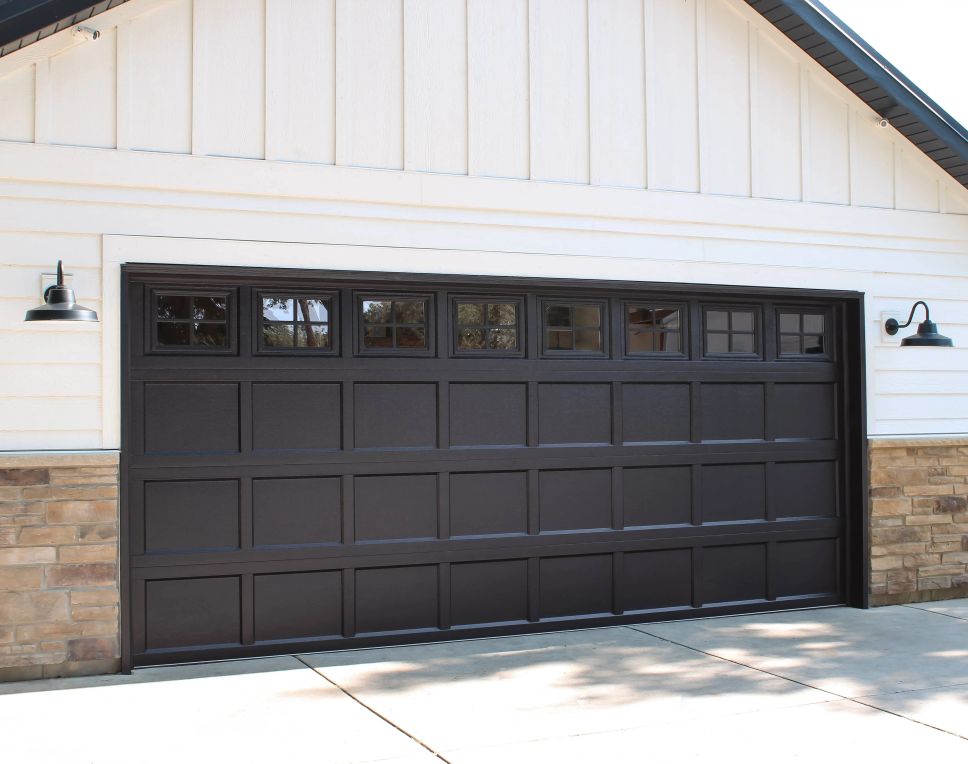
Not all garage doors are built the same—and size matters more than you think. Whether you're parking a compact car or a full-size truck, knowing the standard garage door widths can save you major headaches.
Let’s break down the common sizes so you can plan with confidence.
How wide is a garage door?
A standard single garage door is typically 8 to 10 feet wide. Double garage doors are usually 16 feet wide. RV or oversized garages may need 12 feet or more.
Key Takeaway
- Standard single garage doors: 8 to 10 feet wide
- Standard double garage doors: 16 to 18 feet wide
- Oversized or RV doors: Start at 12 feet wide
- Height is typically 7 feet but can go
- Custom sizes are available for unique needs
- Always measure your vehicle and garage space before buying
- Think beyond vehicles—factor in storage, future upgrades, and driveway space
Why Garage Door Width Matters
The width of your garage door isn’t just a number. It decides whether your truck glides in easy or you’re playing bumper-car Tetris every morning.
Too narrow? Say goodbye to extra storage and smooth parking. Too wide? You might be overpaying for unused space.
The right width hits that sweet spot—just enough room to flex without wasting cash or square footage.
Standard Garage Door Widths
Let’s clear this up: garage doors aren’t one-size-fits-all, but there are a few go-to sizes.
Single-car garages usually rock a width between 8 and 10 feet. Eight-foot doors are the OGs—great for compact cars. Ten feet gives you breathing room, especially if you're not trying to scrape mirrors every time you pull in.
Got two cars or just a truck that deserves VIP space? Double garage doors are typically 16 feet wide, sometimes up to 18. That’s enough space for two vehicles—or one car and your gym gear, bike, or random project that’s been “in progress” for a year.
RV or oversized garages? Now you're talking at least 12 feet wide, sometimes more. If your ride is taller and wider than average, skip the standard sizes or you'll be playing real-life Tetris every time you park.
Pro tip: If you're building new or replacing your door, measure your ride—not just the opening. It’s about what fits your lifestyle, not just the frame.
Bottom line: whether it’s your daily driver or your weekend toy, the right garage door width keeps things smooth, scratch-free, and flex-worthy.
Garage Door Height vs Width
Height and width aren’t always a package deal. A standard single garage door might be 7 feet tall and 8 or 9 feet wide. But double doors stretch wider—typically 16 feet—while height often stays the same.
Need to park an SUV or van? You might want to bump the height to 8 feet. The cheat code: always measure your ride before picking the door.
How to Measure Your Garage for the Right Width
Grab a tape measure. Start by measuring the opening from one side of the frame to the other—that’s your actual door width.
Now check the space on either side of the opening. You’ll want at least a few inches for the tracks to fit cleanly.
Measure the height from the floor to the top of the opening too. Standard heights matter just as much as width when picking a new door.
Bonus tip: jot down how much clearance you’ve got above the opening and behind it. That extra space is a total cheat code for installing openers or roll-up doors, and it also helps prevent issues like asking yourself why is my gutter overflowing when poor spacing leads to drainage problems.
Write it all down. You’ll thank yourself later when shopping—or flexing those measurements at the hardware store.
Custom Garage Door Sizes
Got an odd-sized garage or just want to flex something unique? Custom garage doors have your back. Whether you’ve got a tight city setup or a monster truck that needs extra room, you can tweak the width, height, or even panel layout.
Standard sizes won’t always cut it, especially with modern builds or vintage homes. A custom door lets you match your vibe, your ride, and your space—no compromises.
Just know: more custom usually means more coin, so budget accordingly.
Factors That Affect the Ideal Width
The right garage door width depends on how you live, not just what you drive. One car? A standard 8- or 9-footer does the trick. But if you’re pulling in a truck or flexing with two rides, you’ll want 10 to 16 feet of clearance.
Also, think beyond vehicles. Need room for bikes, a workbench, or gym gear? Go wider. Tight driveway? Measure twice—no one wants to play bumper tag with their garage trim.
Bottom line: your garage door should fit your lifestyle, not just your sedan.
Common Mistakes to Avoid When Choosing Width
Don’t guess based on looks or vibes. Measuring your car—and your garage—is non-negotiable. Too narrow? You’ll be playing bumper cars. Too wide? Wasted space and extra cost.
Also, watch out for future flex. If you’re eyeing a bigger ride later, plan for that now.
Frequently Asked Questions
1. How wide is a standard garage door?
Single doors are usually 8 to 9 feet wide. Doubles? Around 16 feet. Enough for your ride, your bike, and maybe a punching bag.
2. Can I customize the width?
Yep. If your SUV’s a beast or you want more wiggle room, custom sizes are a flex. Just expect to pay a bit more.
3. What about height?
Most sit at 7 feet tall, but you can go higher if you're pulling in a camper or lifted truck.
Conclusion
Garage door widths aren't one-size-fits-all. Whether you're parking a single car or squeezing in a home gym, there's a size that fits your setup and your lifestyle.
Measure smart, think ahead, and plan for real-life use—not just showroom vibes. Because that dream garage? It starts with the right door.