

 Back to Blogs
How Pennsylvania Weather Impacts Residential Roofs Over Time
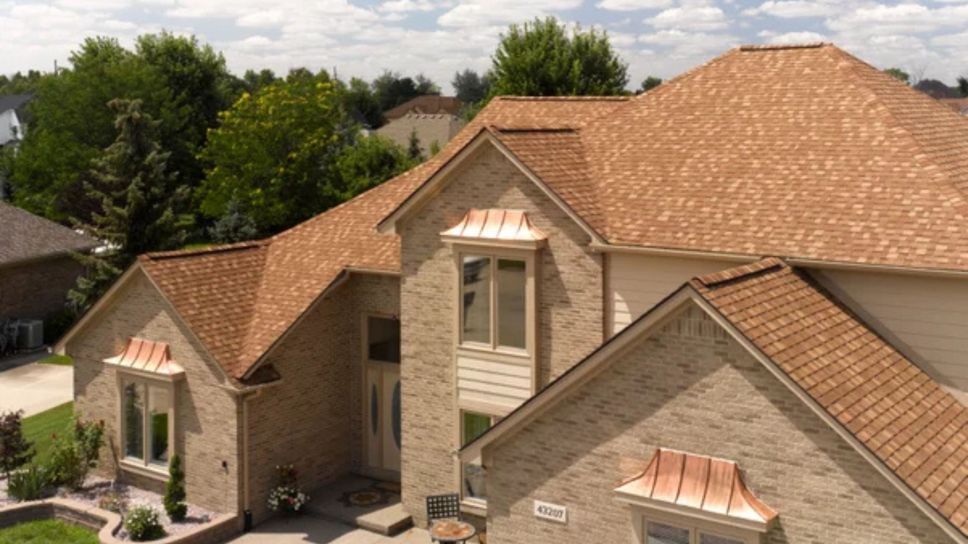
Living in Philadelphia means experiencing all four seasons in full force, and your roof takes the brunt of every single one. From muggy summer afternoons to ice-coated January mornings, Pennsylvania weather conditions put constant pressure on the materials sitting above your head. Over the years, this steady exposure adds up, often in ways homeowners don't notice until problems become serious.
If you've owned a home in the Philly area for more than a decade, your roof has likely weathered thousands of temperature swings, storms, and seasonal shifts. Understanding how this happens helps you plan smarter and protect what's underneath. Let's walk through what really happens to your residential roofing over time and what you can do about it.
The Four-Season Challenge for Philadelphia Roofs
Pennsylvania's climate is uniquely demanding. Unlike regions with milder, more predictable weather, the Keystone State throws nearly every condition imaginable at your home's exterior. Each season brings its own form of stress.
This constant rotation between extremes is what makes roof longevity in Pennsylvania a real concern for homeowners. A roof in a steady climate might last decades without major issues, but in Philadelphia, the same materials face accelerated wear.
Summer Heat and Humidity
Summer temperatures in Philadelphia regularly climb into the upper 80s and 90s, and your roof absorbs that heat all day long. Surface temperatures on dark shingles can reach 150 degrees or higher, which speeds up the breakdown of roofing materials.
Add humidity into the mix, and you've got a recipe for trapped moisture, warped decking, and weakened seals. Over several summers, this thermal cycling causes shingles to curl, crack, and lose their protective granules.
Winter Snow, Ice, and Freeze-Thaw Cycles
Winters in Pennsylvania bring snowstorms, ice dams, and freezing rain. When snow melts during the day and refreezes at night, water seeps into tiny cracks and expands. This freeze-thaw cycle is one of the most destructive forces a roof faces.
Ice dams form along eaves and gutters, trapping water that can back up under shingles. Given enough time, this leads to interior leaks, sagging, and rotted wood beneath the surface.
How Spring and Fall Storms Speed Up Wear
Springtime in Philadelphia brings heavy rains, gusty winds, and the occasional severe thunderstorm. These storms test every seal, flashing point, and fastener on your roof. Even well-built homes feel the impact after years of repeated weather events.
Fall introduces another set of challenges. Falling leaves clog gutters, trapping moisture against the roofline, while cooler nights and warmer days create more temperature stress on materials.
Wind Damage and Flying Debris: Strong winds can lift shingles, tear flashing, and send branches crashing into roof surfaces. Wind uplift is a common issue for older roofs, especially those with already weakened adhesive bonds. Over time, even moderate wind events loosen materials enough that water finds its way in. A roof that looked fine in May might be quietly showing problems by November.
Hail and Heavy Rainfall: Hailstorms aren't rare in southeastern Pennsylvania, and even small hailstones can bruise shingles or knock loose protective granules. Heavy downpours then exploit those weak spots, accelerating deterioration across the entire surface.
Signs Your Roof Has Weathered Too Many Pennsylvania Seasons
Most homeowners don't climb on their roofs to check for damage, and that's perfectly reasonable. But there are visible clues from the ground and inside your home that suggest your roof may be reaching the end of its useful life.
Another important category of warning indicators includes Signs of roof moisture problems, which often develop long before visible ceiling leaks appear.
Common warning signs include:
Curling, buckling, or missing shingles
Granules collecting in gutters or downspouts
Dark streaks, moss, or algae growth
Sagging areas or visible dips in the roofline
Daylight is visible through attic boards.
Water stains on ceilings or upper walls
Higher energy bills from poor insulation performance
If you're noticing two or more of these, it's worth scheduling a professional consultation. Aging roofing systems rarely improve on their own, and waiting often turns small concerns into much bigger ones.
Why Replacement Is the Smart Move for Older Roofs
When a roof has been through 20 or more Philadelphia winters and summers, the underlying materials, decking, and roof structure have all aged together. That shared wear means a full replacement often delivers far better long-term results than continuing to manage an aging system.
A complete roof replacement gives you a fresh start with modern materials designed to handle Pennsylvania's climate. As America's exterior remodeler, Window World offers energy-efficient roofing solutions built to perform across every season.
Built for Local Climate Challenges
Window World of Philadelphia provides roofing products engineered for the specific weather patterns homeowners face here. From improved wind resistance to better thermal protection, these systems are designed with long-term performance in mind.
Locally Owned and Nationally Known, we understand what Philly homes need because we live here too. That local insight matters when choosing materials that will hold up through decades of regional weather.
Professional Installation Protects Your Investment
Even the best roofing materials underperform when installed incorrectly. Our trained installation teams ensure every component, from underlayment to flashing, is placed properly for maximum durability.
Professional installation also protects your lifetime limited warranty coverage, giving you confidence in your investment for years to come. Restrictions may apply. For complete details, see the warranty page on our website.
Planning Ahead for Roof Replacement in Philadelphia
The best time to plan a roof replacement project is before you absolutely need one. Waiting until leaks appear often means dealing with interior damage, mold concerns, and rushed decisions.
Spring and early fall are typically ideal seasons for replacement in Pennsylvania, with mild temperatures and lower precipitation. Scheduling ahead gives you time to choose the right product, finalize colors, and book installation during favorable weather.
Protect Your Home Before the Next Storm Hits
Pennsylvania weather isn't slowing down, and neither should your plans for protecting your home. If your roof has been through too many seasons, now is the perfect time to explore your options with a team that understands Philadelphia homes inside and out.
Reach out to Window World of Philadelphia today for your free in-home quote, and discover how a brand-new roof can transform your home's comfort, curb appeal, and peace of mind. When Quality and Value Matter Most trust the team that's been improving homes and changing lives across America.
Frequently Asked Questions
-
Most residential roofs in the Philadelphia area last between 20 and 30 years, depending on materials, installation quality, and exposure to severe weather. Roofs facing more sun, wind, or storm damage may show wear sooner.
-
Yes. Repeated freezing and thawing forces water into small openings, expanding and contracting roofing materials. Over many winters, this slowly breaks down shingles, flashing, and even the wood decking underneath.
-
Often, yes. Look for curling shingles, dark streaks, granules in gutters, sagging sections, or water stains on interior ceilings. A professional consultation confirms what's happening at the surface and below.
-
Fall is one of the most popular seasons for replacement. Cooler temperatures help materials set properly, and finishing before winter protects your home through the harshest months ahead.
-
Yes. Window World products are backed by a lifetime limited warranty. Restrictions may apply. For complete details, see the warranty page on our website.