

 Back to Blogs
Can Roof Damage Affect Indoor Air Quality?
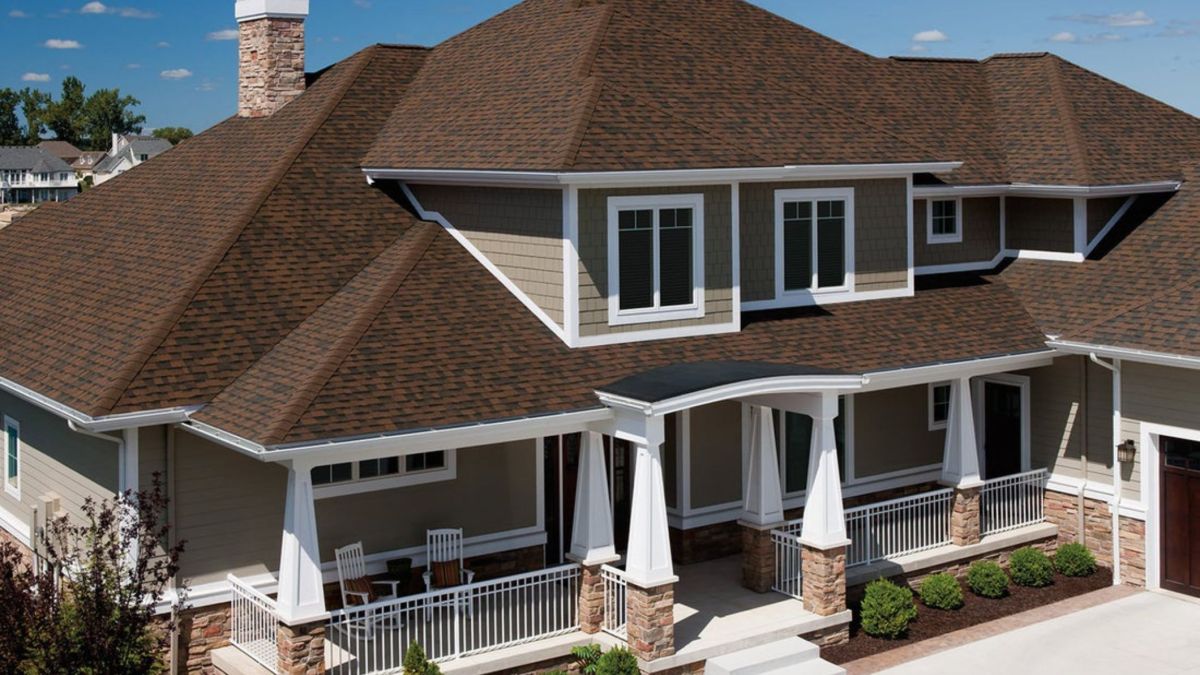
If you've ever walked into a room and noticed a musty smell you couldn't quite place, or felt like the air inside your home just isn't as fresh as it used to be, your roof might be more involved than you'd think. Roof damage doesn't just affect the outside of your home; it can quietly impact what's happening inside as well, including the air you and your family breathe every day.
We know that sounds a little surprising, but once you understand the connection, it actually makes a lot of sense. Let's take a closer look at how this works and what you can do about it.
The Surprising Link Between Your Roof and Indoor Air
Your roof is your home's first line of defense against the outside world. When it's in good shape, it keeps moisture, pests, and outside air exactly where they belong, outside. But when roof damage occurs, even small issues can create pathways for things that affect indoor air quality.
Here in Pennsylvania, where homes deal with everything from heavy snow to humid summers, roof-related air quality issues are more common than most people realize.
When you start to notice these issues, it's worth taking a moment to Explore Your Roof Replacement Options before the damage worsens.
How Roof Damage Can Affect the Air Inside Your Home
1. Moisture Intrusion Leads to Mold and Mildew
This is one of the most common connections between roof damage and indoor air quality. When a roof has cracks, missing shingles, or worn flashing, water can find its way into the attic or ceiling spaces. Once moisture is trapped, mold and mildew can develop, releasing spores into the air that circulate through your home.
2. Poor Ventilation From Roof Damage
Roofs play an important role in regulating airflow through your attic and home. If vents, soffits, or other ventilation components become damaged, airflow can be restricted, allowing humidity and stale air to build up before reaching your living spaces. Understanding Roof ventilation explained can help homeowners recognize why proper ventilation is essential for maintaining a healthier and more comfortable home.
3. Pest Entry Points
Gaps or damage in your roof can become an open invitation for pests like insects or rodents. Beyond the obvious concerns, pest activity can contribute to allergens and odors that affect indoor air.
4. Insulation Damage
If water gets into your attic through roof damage, it can soak into the insulation. Wet insulation not only loses its effectiveness but can also become a breeding ground for mold, which then affects the air quality in the rooms below.
5. Dust and Debris Infiltration
Even small gaps from roof damage can allow outside dust, pollen, and debris to enter your attic space, which can eventually circulate into your home through your ventilation system.
Signs Roof Damage Might Be Affecting Your Indoor Air
- A musty or damp smell, especially in upper rooms or closets
- Visible water stains on ceilings
- Increased allergy symptoms when indoors
- Higher than normal humidity levels in certain rooms
- Visible mold or discoloration near vents or ceiling corners
If any of these sound familiar, it's worth taking a closer look at your roof's condition.
Why Addressing Roof Damage Early Matters
The tricky part about roof damage is that it often starts small and isn't always visible from the ground. By the time issues become noticeable indoors, such as a musty smell or visible staining, the damage may have already been developing for a while.
Catching roof issues early can help prevent:
- Mold growth that affects air quality throughout your home
- Damage to insulation, which impacts both air quality and energy efficiency
- Structural issues that become more costly to repair over time
How a Quality Roofing System Supports Better Indoor Air
At Window World of Philadelphia, our roofing systems are designed with both protection and performance in mind. Here's how a properly installed roof supports a healthier home environment:
- Proper sealing and flashing that helps prevent moisture intrusion at vulnerable points
- Quality materials built to handle Pennsylvania's seasonal weather, from heavy snow to summer storms
- Professional installation, ensuring ventilation components work as intended
- Backed by a Lifetime Limited Warranty for long-term peace of mind. (Restrictions may apply. For complete details, contact Window World of Philadelphia.)
- Made in the USA, with quality built to last
What You Can Do to Stay Ahead of Roof-Related Air Issues
- Schedule a roof inspection at least once a year, ideally before winter
- Pay attention to any new smells, especially after heavy rain or snow
- Check attic spaces periodically for signs of moisture or staining
- Address minor roof repairs quickly rather than waiting for bigger issues
These simple habits can go a long way in protecting both your roof and your indoor air quality.
Locally Owned. Nationally Known.
As America's Exterior Remodeler, Window World of Philadelphia has helped homeowners throughout the region protect their homes with roofing systems built for real seasonal challenges. With over 24 million windows installed for more than 3.6 million customers nationwide, we understand what it takes to keep homes protected, comfortable, and healthy from the top down.
Breathe Easier With a Roof That's Doing Its Job
If you've noticed musty smells, water stains, or other signs that your roof might not be performing the way it should, it's worth taking action before it affects more than just your ceiling. When Quality and Value Matter Most, Pennsylvania homeowners know who to trust.
Get a Free Quote today and find out how a properly installed roofing system can help protect your home and your indoor air quality. You can also explore our full range of roofing options to learn more about what's available for your home.
Frequently Asked Questions
-
Yes. Some issues, like ventilation damage or small gaps, can affect air quality without an obvious leak being visible right away.
-
Mold can begin developing within 24 to 48 hours in the right conditions, which is why addressing moisture issues quickly is so important.
-
Not always, but if the smell is strongest in upper rooms or near the attic, roof-related moisture issues are worth investigating.
-
An annual inspection, ideally in the fall before winter weather arrives, can help catch issues early before they affect your home's interior.
-
Yes. A properly installed roof with good ventilation and sealing helps prevent moisture and airflow issues that often lead to indoor air quality problems.