

 Back to Blogs
Can an Old Entry Door Make Your HVAC System Work Harder?
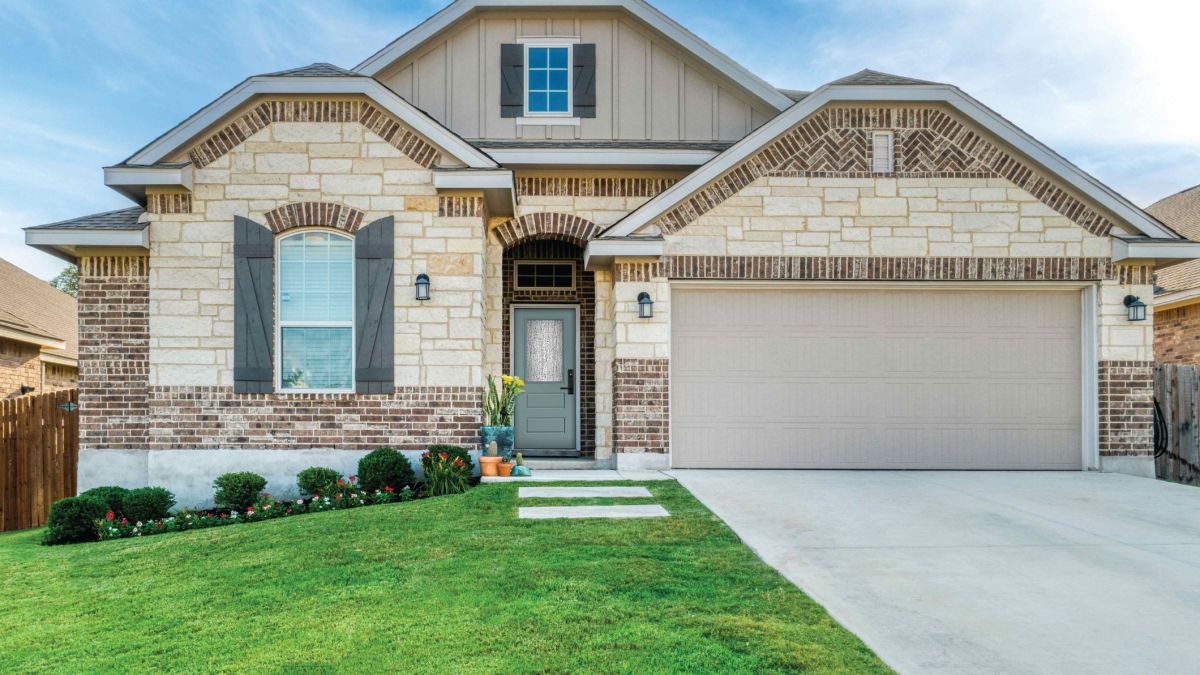
An old, poorly sealed entry door is one of the most common reasons an HVAC system works harder than it needs to. It's not dramatic. There's no single moment where you feel a massive draft. It's a slow, steady exchange of air, day after day, that forces your heating and cooling to run longer just to maintain a comfortable temperature.
Entry door replacement is one of the simplest ways to stop that from happening. Here's what's actually going on, and how to tell if your door is part of the problem.
How an Entry Door Affects Your Heating and Cooling
Your HVAC system has one job: keep your home at a steady, comfortable temperature. Every time conditioned air escapes or outside air gets in, the system has to make up the difference.
Your entry door is a large opening in your home's exterior that gets used multiple times a day and ages in several ways at once. The seals wear down, the core loses its effectiveness, and the frame can shift over the years. Each of those changes creates a path for air to move where it shouldn't.
Three Ways an Old Door Leaks Energy
Most people assume a drafty home means something structural has gone wrong. In reality, the energy loss usually comes from smaller, gradual changes that happen quietly over years of daily use.
Worn or Cracked Weatherstripping
The flexible seal that runs along the sides and top of your door frame is designed to close the gap between the door and the frame. Over time, it flattens, hardens, and cracks. Once it loses its shape, air moves through that gap freely.
In a Philadelphia winter, that means cold air coming in while your heat runs to compensate. In summer, it means warm, humid air pushing past while your air conditioning works overtime. Neither is doing your energy bills any favors.
A Failing Door Sweep
The seal at the bottom of your door takes more abuse than any other part of the system. It drags across the floor every time the door opens and closes, wears down unevenly, and eventually stops making full contact with the threshold.
That gap at the bottom is one of the largest single air leak points in the home. Even a small opening is enough to let a noticeable amount of air in and out constantly.
A Hollow or Uninsulated Door Core
Many older entry doors have hollow or thin cores that offer almost no resistance to temperature transfer. The door itself conducts heat, cold in winter, hot in summer, straight through to the interior side.
Fresh weather stripping won't fix that. If the core isn't insulated, the door is still working against your HVAC every hour of the day, regardless of how well the edges are sealed.
How to Tell If Your Door Is the Problem
You don't need a professional inspection to get a sense of whether your entry door is leaking air. Try these simple checks:
- On a cold or windy day, hold your hand near the door frame and feel for air movement
- Close the door at night and look for any daylight visible around the edges
- Notice whether the entryway feels noticeably colder or warmer than the rest of the house
- Think about whether your heating or cooling cycles more often than it used to
- Look at the weatherstripping itself: if it's hard, flat, crumbling, or pulling away, it's no longer sealing properly
When Replacing Weatherstripping Isn't Enough
Fresh weatherstripping helps when the door itself is structurally sound and the seals are the only thing that has worn out. It's a reasonable short-term fix in that situation.
But if the door core isn't insulated, the frame has warped, or you find yourself replacing the weatherstripping every year or two, you're patching a problem that a repair can't permanently fix.
At that point, entry door replacement is the right call. A new, properly fitted door with a solid insulated core eliminates the source of the problem rather than slowing it down.
Stop Making Your HVAC Work Overtime
Your heating and cooling system works as hard as your home's exterior lets it. An old entry door is one of the most common, and most fixable, sources of energy loss in a Philadelphia home.
Entry door replacement is a straightforward upgrade that pays off in lower energy bills, better comfort, and a home that holds its temperature the way it should. As America's Exterior Remodeler, Window World of Philadelphia is here to help you get there. Contact us today for your Free Quote.
Restrictions may apply. For complete details, see the warranty page of our Window World of Philadelphia.
Frequently Asked Questions
-
Yes, and more than most homeowners expect. A door with worn seals, a failing sweep, or an uninsulated core lets conditioned air out and outside air in constantly. Your HVAC system runs longer to compensate, and that shows up on your monthly energy bill throughout the year.
-
Feel along the door frame on a cold or windy day. Look for daylight around the closed door at night. Notice if the entryway is consistently colder or warmer than the rest of the house. If the weatherstripping looks flat, hard, or cracked, that's a clear sign the seal has broken down.
-
Replacing weatherstripping helps when the door is otherwise sound. If the door core isn't insulated, the frame has shifted, or you're replacing seals repeatedly, weatherstripping alone won't solve the underlying problem. Entry door replacement makes more sense when the door itself can no longer hold a proper seal or provide real insulation.
-
A fiberglass entry door with an insulated core and ENERGY STAR qualification offers the best combination of thermal performance, durability, and low maintenance. Fiberglass resists warping and holds its seals better over time than older door materials, which is what keeps it performing year after year in a climate like Philadelphia's.
-
Most homeowners notice it right away. A properly fitted, insulated entry door eliminates the drafts and temperature inconsistency that an old door creates. Rooms near the entry feel more comfortable, and the HVAC doesn't have to work as hard to maintain a steady temperature throughout the home.