

 Back to Blogs
What Makes Energy-Efficient Windows Truly Work
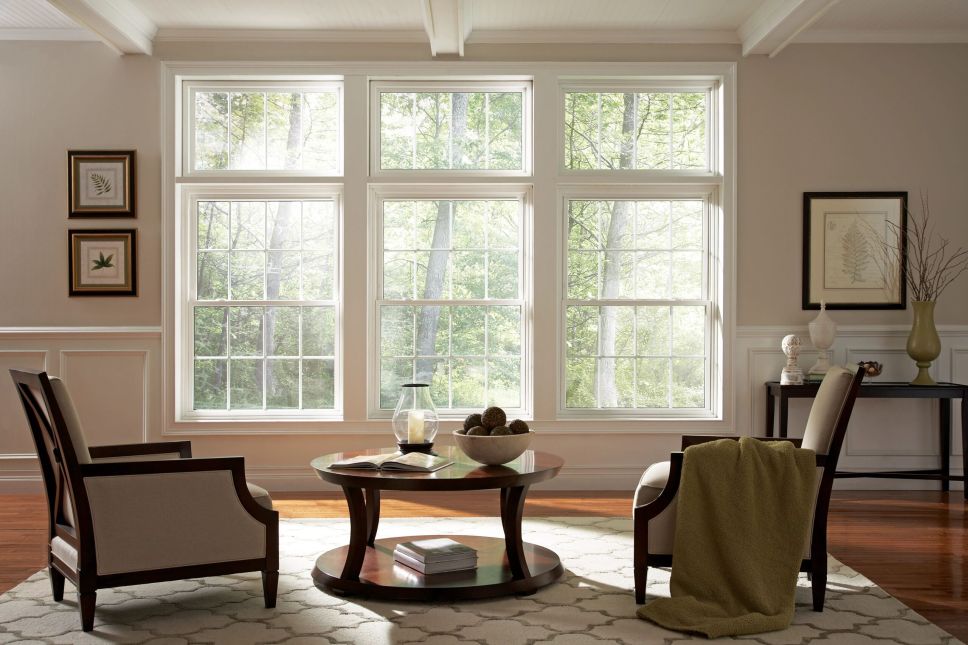
Energy-efficient windows are often talked about as a smart home upgrade, yet many homeowners are unsure what actually makes them effective. Rising energy bills, uncomfortable indoor temperatures, and drafts near windows are common problems across Philadelphia homes. These issues usually mean that existing windows are allowing heat to escape in winter and enter during summer.
Energy-efficient windows are designed to address these problems, but their performance depends on more than one feature. Glass technology, frame construction, ratings, installation quality, and climate suitability all work together. Understanding how these elements interact helps homeowners choose windows that truly improve comfort and efficiency.
How Energy-Efficient Windows Reduce Heat Transfer
Heat transfer is the main reason homes lose energy through windows. In winter, warm indoor air moves toward cold surfaces. In summer, outdoor heat pushes inside. Energy-efficient windows slow this movement.
They do this by combining insulated glass, sealed air spaces, and advanced coatings that control heat flow. Instead of allowing temperatures to pass freely, these windows act as a barrier that stabilizes indoor conditions. This reduces the workload on heating and cooling systems and helps maintain consistent comfort.
When energy-efficient windows are designed correctly, they reduce heat transfer without blocking natural light.
The Role of Glass Technology in Energy Efficiency
Glass is one of the most important components of energy-efficient windows. Modern window glass is engineered to manage heat rather than simply letting it pass through.
Double-pane glass uses two layers separated by a sealed air space. This air gap slows heat movement. Triple-pane glass adds an extra layer for even stronger insulation, which can be useful in colder conditions.
Low-emissivity glass, often called Low-E glass, includes a microscopic coating that reflects heat. During winter, it helps keep warmth inside. During summer, it reflects heat away from the home. This allows sunlight to enter while reducing temperature extremes.
Together, double or triple-pane glass and Low-E coatings form the foundation of thermal insulation windows.
Why Window Frames Matter for Thermal Performance
Many homeowners focus on glass but overlook the importance of window frames. Frames play a major role in overall window energy performance.
Vinyl window frames are widely used because they naturally resist heat transfer. Vinyl does not conduct heat the way metal does, which helps prevent energy loss around the edges of the window. Vinyl frames also resist moisture, warping, and cracking, which helps maintain tight seals over time.
Insulated window frames support long-term energy efficiency by holding glass units securely and preventing air leaks. When frames perform well, the entire window system works more effectively.
Understanding U-Factor and Solar Heat Gain Coefficient
Energy ratings help homeowners compare windows beyond appearance. Two key ratings explain how well energy-efficient windows perform.
U-Factor measures how well a window insulates. Lower U-Factor values indicate better resistance to heat flow. Windows with lower U-Factors help keep homes warmer in winter.
Solar Heat Gain Coefficient measures how much solar heat passes through the glass. Lower values mean less heat enters the home. This is especially important during summer months.
Understanding these ratings helps homeowners select windows that balance insulation and solar heat control for Philadelphia’s seasonal climate.
Importance of Proper Installation for Maximum Efficiency
Even the best energy-efficient windows cannot perform properly without correct installation. Gaps, misalignment, or poor sealing can allow air and moisture to enter, reducing efficiency.
Professional installation ensures windows are fitted securely, sealed properly, and insulated around the frame. This protects the window’s performance and helps maintain warranty coverage.
Poor installation is one of the most common reasons homeowners fail to see expected energy savings. Proper installation allows energy-efficient windows to perform as designed over the long term.
How Climate Zones Affect Energy-Efficient Window Performance
Climate plays a major role in how energy-efficient windows function. Philadelphia experiences cold winters, warm summers, and seasonal humidity. Windows must handle all of these conditions.
In colder months, insulation and heat retention are critical. In warmer months, solar heat control becomes more important. Energy-efficient windows are designed with balanced features that work year-round.
Choosing windows rated for the local climate ensures better comfort, fewer drafts, and consistent indoor temperatures throughout the year.
Energy Star Ratings and What They Really Mean
ENERGY STAR certification helps homeowners identify windows that meet strict efficiency standards. Windows earning this rating are tested for insulation, air leakage, and solar performance.
However, ENERGY STAR is a starting point rather than a guarantee of perfect performance. Homeowners should still consider glass type, frame material, and installation quality.
When ENERGY STAR rated windows are combined with professional installation, they contribute significantly to home energy efficiency and comfort.
Long-Term Cost Savings of Energy-Efficient Windows
Energy-efficient windows are often chosen for comfort, but they also offer long-term value. By reducing heat loss and limiting unwanted heat gain, these windows help lower energy usage.
Over time, this can lead to reduced heating and cooling costs. Energy-efficient windows also reduce strain on HVAC systems, which may extend equipment life.
In addition to monthly savings, energy-efficient windows improve home value and appeal. Buyers often look for homes with updated windows that support energy efficiency and comfort.
Why Vinyl Windows Support Energy Efficiency Best
Vinyl windows remain one of the most effective options for homeowners seeking reliable energy performance. Vinyl frames provide natural insulation, resist moisture, and require minimal maintenance.
Unlike materials that may warp or degrade, vinyl maintains tight seals that support consistent efficiency. When paired with Low-E glass and insulated panes, vinyl windows deliver dependable thermal performance.
For homeowners exploring energy-efficient upgrades, vinyl windows offer a strong balance of durability, performance, and long-term reliability.
To learn more about energy-efficient window solutions and professional installation services, visit Window World of Philadelphia.
Conclusion
Understanding how outdated windows affect room comfort can help homeowners appreciate why energy-efficient windows rely on multiple components working together. Glass technology helps control heat movement, frames provide insulation and stability, performance ratings set clear expectations, and professional installation ensures every part functions as intended.
For Philadelphia homeowners, energy-efficient vinyl windows offer dependable comfort, reduced heat loss, and long-term value. When chosen carefully and installed correctly, they help create a more comfortable and efficient home environment.
Window World of Philadelphia provides professionally installed energy-efficient windows designed to perform in local conditions. Request a Free In Home Quote to explore window options that support comfort and efficiency.
Frequently Asked Questions
-
A combination of insulated glass, Low-E coatings, quality frames, proper ratings, and professional installation.
-
Double-pane windows provide strong insulation, while triple-pane options add extra performance in colder conditions.
-
Low-E glass reflects heat while allowing light to pass through, reducing heat loss in winter and heat gain in summer.
-
They reduce heat transfer, which lowers heating and cooling demand and supports long-term energy savings.
-
High-quality vinyl windows can last decades when professionally installed and properly maintained.