

 Back to Blogs
Maximize Energy Efficiency Year-Round with Smart Home Upgrades
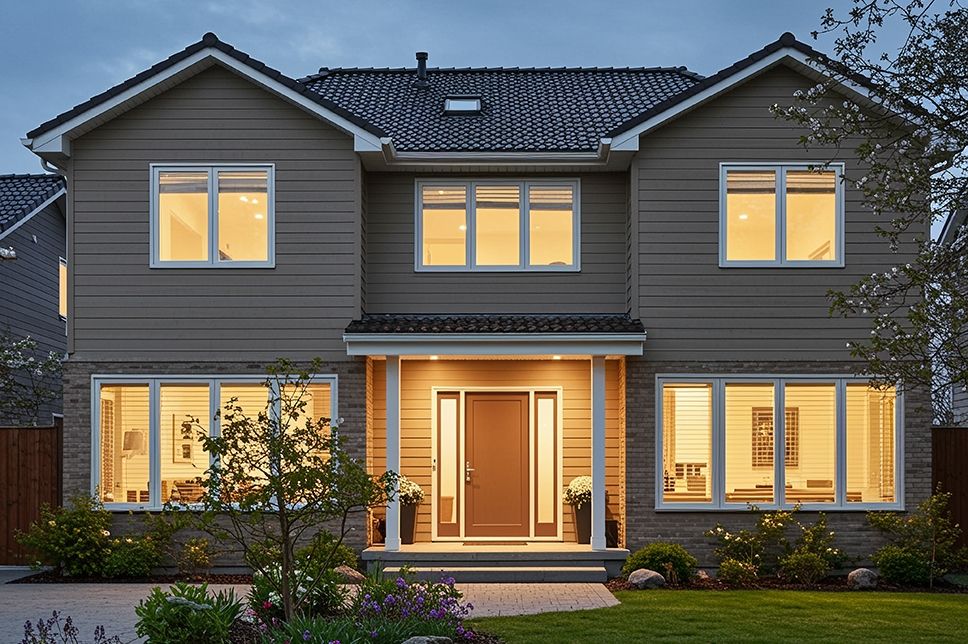
Smart Home Upgrades are no longer just about convenience. For many Philadelphia homeowners, they have become an important way to manage rising energy costs and improve everyday comfort. If your utility bills keep increasing or certain rooms feel too hot in summer and too cold in winter, your home may not be using energy efficiently.
The problem often comes from outdated systems working independently rather than together. Heating, cooling, lighting, and appliances all use energy differently throughout the year. Smart Home Upgrades help connect these systems, allowing your home to respond to changing conditions automatically. When used correctly, they support better control, reduce wasted energy, and improve long-term efficiency.
This guide explains how Smart Home Upgrades work, which options make the biggest difference, and how to choose improvements that deliver real value year-round.
Understanding Energy Efficiency in Modern Smart Homes
Energy efficiency in today’s homes is about using only the energy you need, when you need it. Traditional homes rely heavily on manual adjustments, which often leads to wasted heating, cooling, or lighting. Smart Home Upgrades introduce automation and real-time control to reduce unnecessary usage.
A smart home uses connected devices to monitor energy use and adjust settings automatically. This creates a system that responds to weather, occupancy, and daily routines. For Philadelphia homeowners, this means better comfort during hot summers, improved warmth during cold winters, and more consistent energy savings throughout the year.
How Smart Thermostats Reduce Energy Consumption
Smart thermostats are one of the most effective Smart Home Upgrades for improving home energy efficiency. Unlike traditional thermostats, they learn household patterns and adjust heating and cooling automatically.
How smart thermostats help
- Adjust temperatures based on daily routines
- Reduce energy use when the home is empty
- Respond to outdoor weather changes
- Provide detailed energy usage insights
By controlling heating and cooling more precisely, smart thermostats reduce wasted energy while maintaining indoor comfort. This is especially useful in Philadelphia, where seasonal temperature swings are common.
Energy-Saving Benefits of Smart Lighting Systems
Lighting accounts for a noticeable portion of home energy use. Smart lighting systems allow homeowners to control when and how lights are used, helping to reduce unnecessary electricity consumption.
Key advantages of smart lighting
- Automatic shutoff when rooms are unoccupied
- Scheduling based on time of day
- Adjustable brightness to match activity needs
- Remote control through mobile devices
Smart lighting works well alongside energy-efficient windows and doors by reducing heat generated from excessive lighting use, especially during warmer months.
Using Smart Appliances to Lower Utility Bills
Modern smart appliances are designed to operate more efficiently than older models. Many connect to home automation systems and adjust their energy use based on demand.
Examples of smart appliance benefits
- Washing machines that run during off-peak hours
- Refrigerators that regulate cooling more efficiently
- Dishwashers that use less water and energy
- Smart plugs that eliminate standby power usage
When combined with other Smart Home Upgrades, these appliances contribute to noticeable reductions in monthly utility bills.
Home Energy Monitoring Systems Explained
Home energy monitoring systems give homeowners a clear picture of how energy is used throughout the home. These systems track electricity usage in real time and identify areas where energy is being wasted.
Why energy monitoring matters
- Helps identify inefficient appliances
- Shows peak energy usage times
- Supports better decision-making
- Encourages smarter energy habits
For Philadelphia homeowners focused on long-term savings, energy monitoring systems are a valuable tool for managing overall energy efficiency.
Smart Insulation and Windows for Year-Round Savings
Even the most advanced smart home technology cannot compensate for poor insulation. Heat loss through windows and doors remains one of the biggest sources of energy waste.
Smart Home Upgrades work best when paired with energy-efficient building components. High-performance windows and well-sealed doors help maintain indoor temperatures, allowing smart systems to operate more efficiently.
Vinyl windows with proper insulation support year-round energy savings by limiting heat transfer. When combined with automation, they help reduce heating and cooling demand across all seasons.
Homeowners considering exterior upgrades may want to explore Patio Door Replacement in Bensalem, PA to improve insulation and energy performance.
Automating Heating and Cooling for Seasonal Efficiency
Automation allows heating and cooling systems to adjust based on seasonal needs without constant manual input. Smart home systems can change temperature settings automatically as weather conditions shift.
Seasonal automation benefits
- Reduced heating during warmer winter days
- Adjusted cooling during mild summer evenings
- Better humidity control
- Improved comfort without energy waste
This level of control supports sustainable living solutions while making homes more comfortable year-round.
Choosing the Right Smart Home Upgrades for Maximum ROI
Not all Smart Home Upgrades provide the same return on investment. Choosing the right upgrades depends on your home’s layout, energy usage, and long-term goals.
Tips for selecting smart upgrades
- Start with heating and cooling controls
- Improve insulation before adding automation
- Focus on areas with the highest energy loss
- Choose ENERGY STAR certified products
- Integrate systems gradually
Upgrades that work together deliver better results than standalone devices.
Homeowners planning additional improvements may also benefit from Entry Door Replacement in Bensalem, PA, which can further reduce energy loss and improve home efficiency.
Why Smart Home Upgrades Support Sustainable Living
Smart Home Upgrades contribute to sustainable living by reducing unnecessary energy use. Lower energy consumption means fewer emissions and less strain on power resources.
By combining smart home technology with energy-efficient windows, doors, and insulation, homeowners can take meaningful steps toward long-term sustainability without sacrificing comfort or convenience.
For guidance on energy-efficient exterior improvements, visit Window World of Philadelphia to explore professional solutions designed for local homes.
Conclusion
Smart Home Upgrades offer Philadelphia homeowners a practical way to improve energy efficiency year-round. By connecting heating, cooling, lighting, and appliances, these upgrades reduce wasted energy and support consistent comfort in every season. When paired with proper insulation, high-performance windows, and professionally installed doors, smart technology becomes even more effective.
If you are looking to improve energy efficiency both inside and outside your home, Window World of Philadelphia provides expert solutions that support long-term comfort and value. Request a Free In-Home Quote to explore upgrades that fit your home’s needs.
Frequently Asked Questions
-
Smart thermostats, lighting systems, and energy monitoring tools deliver the most noticeable energy savings.
-
Yes, they help regulate heating and cooling efficiently and reduce unnecessary energy use.
-
They prevent lights from staying on when not needed and allow better control over brightness and timing.
-
When used correctly, smart systems reduce energy waste and help lower overall utility costs.
-
They track energy usage, identify inefficiencies, and support smarter energy decisions.