

 Back to Blogs
How to Open a Garage Door Manually?
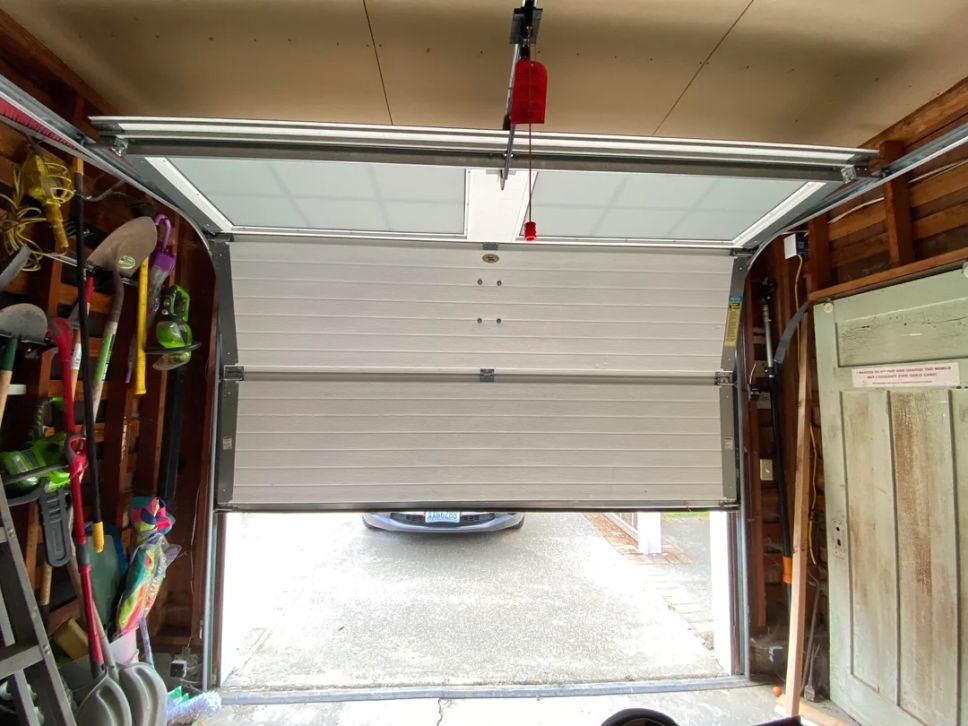
Sometimes, power outages or motor issues can leave your garage door stuck. Knowing how to open it manually saves time and stress.
With the right steps, you can safely lift the door and secure it until normal operation is restored.
How do you open a garage door manually?
Pull the red emergency release cord, then lift the door evenly by hand until it is fully open.
Key Takeaways
- Always disconnect power before starting.
- Pull the red emergency release cord to unlock the door.
- Lift the door slowly and evenly by hand.
- Secure the door in place before walking under it.
- Reconnect the opener by pulling the cord toward the motor and running the opener once.
- Call a professional if the door feels heavy or will not move.
Safety Precautions Before You Start
Before you try to open your garage door manually, make sure the power is off. Unplug the opener or switch off the breaker to avoid accidental activation.
Clear the area around the door so you have space to work safely. Keep children and pets away while you manage the door.
Wear light gloves to protect your hands and make sure your footing is steady. If you need to reach the release cord, a stable ladder or step stool can help—much like the careful setup you’d use when tackling tasks such as garage door replacement in Doylestown. Taking a few minutes to prepare keeps the process safe and stress-free.
Understanding How Your Garage Door Opener Works
Your garage door opener is designed to do the heavy lifting for you. It uses a motor that drives a trolley along a track, moving the door smoothly up and down.
The opener is connected to the door with an arm that locks into place when in use. Knowing this setup helps you see why pulling the manual release cord disconnects the arm.
Once released, you can move the door by hand. This knowledge makes troubleshooting easier and keeps you prepared if the power goes out.
Step-by-Step Guide: How to Open a Garage Door Manually
1. Make Sure the Door Is Fully Closed
Before you begin, check that the garage door is down all the way. If it is stuck halfway, secure it so it won’t slam shut unexpectedly. This step keeps you safe while you work.
2. Disconnect the Opener
Locate the red emergency release cord hanging from the opener track. Give it a firm pull straight down. This unlocks the door from the automatic opener so it can be moved by hand.
3. Lift the Door Carefully
With both hands, grasp the bottom handle or edge of the door. Lift straight up with steady pressure. The door should move smoothly along its tracks. If it feels heavy or jerks, stop and check for obstructions.
4. Secure the Door in Place
Once the door is fully open, make sure it stays put. Some doors have a locking bar you can slide into place. If yours doesn’t, avoid standing directly under the open door.
5. Close the Door by Hand
When you’re ready, lower the door slowly and evenly until it reaches the ground. Never let it drop on its own. Controlled movement prevents damage and keeps the door aligned.
6. Reconnect the Opener
Pull the release cord toward the opener motor until you hear a click. Then test the opener with your remote to confirm it’s re-engaged.
How to Reconnect the Garage Door Opener
Once your garage door is safely closed, you’ll need to reconnect the opener. Start by pulling the emergency release cord toward the door until you hear or feel it click back into place.
Next, use your opener remote or wall button to run the opener once. The trolley will automatically re-engage with the door arm.
Check that the door moves smoothly with the opener. If anything feels off, stop and contact a professional for safe adjustment. This ensures your door is fully reconnected and ready for normal use.
Troubleshooting Common Issues
If your garage door doesn’t open manually, start by checking if it’s locked. Many doors have a small lock handle that can stop it from moving.
Next, look at the tracks. Dirt or small debris can block the rollers, so clear them gently with a cloth. If the door still sticks, try lifting slowly from the center to balance the weight.
If the spring feels heavy or the door won’t budge, don’t force it. That’s often a sign the springs need professional attention. Calling a trained technician keeps you safe and ensures the door is fixed correctly.
When to Call a Professional
If your garage door feels heavy, won’t budge, or the springs look damaged, stop right there. Forcing it can cause injury or make the problem worse.
A trained technician has the tools and know-how to get it working safely. Calling a professional keeps your home secure and helps avoid costly repairs down the road.
Final Tips for Garage Door Maintenance
- Keep the tracks and rollers clean to prevent dirt from causing jams.
- Lubricate moving parts with a silicone-based spray for smoother operation.
- Test the door balance regularly to avoid unnecessary strain on the opener.
- Schedule professional inspections to catch issues early and extend your door’s lifespan.
- Always clear the area around the door for safe and reliable use.
Conclusion
Opening your garage door manually doesn’t have to be stressful. With the right steps, you can safely regain access and keep your day moving.
If the problem continues, call a professional for help so your door works smoothly and reliably again.
Frequently Asked Questions
-
You can safely pull the red emergency release cord to disconnect the opener, then lift the door manually.
-
Yes, if the springs and tracks are in good condition. If it feels heavy or uneven, call a professional.
-
Yes, simply pull the release cord toward the door and run the opener until it reconnects.