

 Back to Blogs
How Pennsylvania Storms Can Shorten the Lifespan of Your Roof
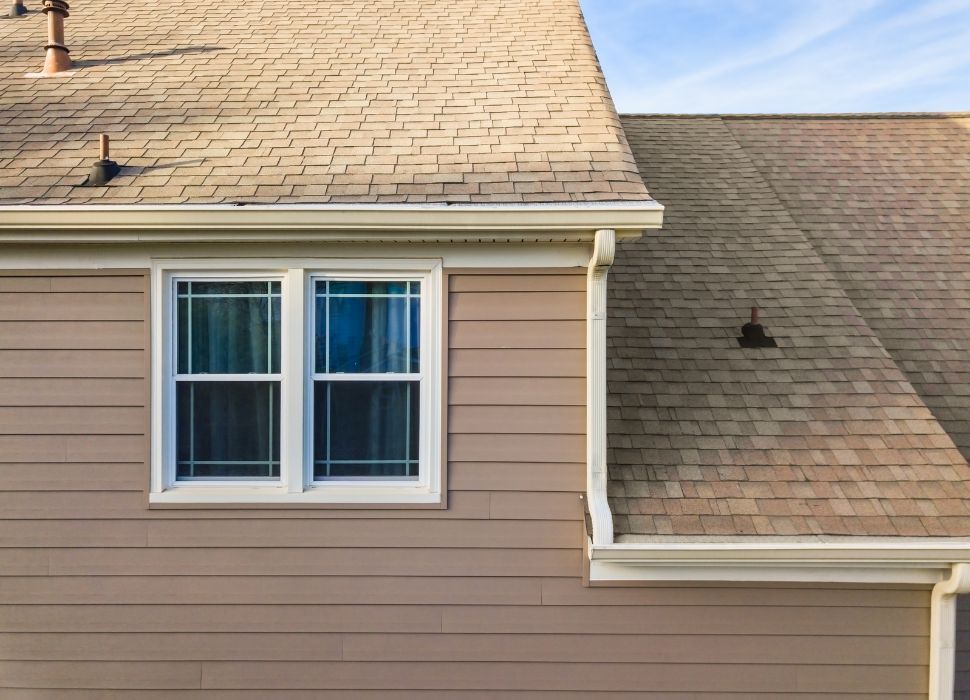
A single severe storm rarely destroys a roof outright, but the damage it leaves behind adds up. Wind, hail, and heavy rain each chip away at a roof's protection a little more, and Pennsylvania storm roof damage tends to build quietly over several seasons before it becomes obvious from the ground. Here's what homeowners should know about how our regional weather affects roof lifespan.
How Pennsylvania Storms Roof Damage Adds Up Over Time
No single storm typically causes total roof failure. Instead, each wind event, hailstorm, or heavy downpour weakens shingles, underlayment, and flashing a little further. Over years of repeated exposure, that gradual wear can shorten a roof’s useful life well before its expected age. Homeowners can learn more about protecting your roof from the effects of severe Pennsylvania weather and help reduce the impact of ongoing storm exposure.
Common Types of Storm Damage to Watch For
Pennsylvania sees a wide range of storm conditions throughout the year, and each type of weather stresses a roof differently.
- Wind: Strong gusts can lift shingle edges, loosen the seal strip, or strip away protective granules
- Hail: Impacts can bruise or crack shingles, weakening their ability to shed water
- Heavy or wind-driven rain: Water can work its way into vulnerable areas like valleys, flashing, and roof edges
- Winter storms: Snow and ice buildup can lead to ice dams that force water beneath the shingles
Signs Your Roof May Have Storm Damage
How do I know if my roof has storm damage? A few warning signs are worth checking for after a significant storm:
- Missing, curling, or visibly lifted shingles
- Granules collecting in gutters or at downspouts
- Water stains on ceilings or ceiling corners
- Soft spots or sagging areas on the roof surface
- Daylight visible through the attic roof boards
Why Older Roofs Are More Vulnerable to Storm Damage
Can storm damage shorten a roof's lifespan? Yes, especially on roofs that are already aging. Shingles naturally lose flexibility and granule coverage over time, and a roof nearing the end of its expected lifespan has less material left to absorb another round of wind or hail. In repeated Pennsylvania storms, roof damage tends to compound fastest on roofs that were already due for attention.
How a Quality Roofing System Helps Protect Against Future Storms
What roofing materials hold up best in storms? A roofing system is only as strong as how its parts work together. Window World of Philadelphia installs the CertainTeed Integrity Roof System, which pairs high-quality shingles with waterproofing underlayment designed to guard against leaks from wind-driven rain and ice dams, and a ventilation system that helps the roof perform during seasonal temperature swings. Every component is backed by CertainTeed's warranty coverage.
When to Consider a Full Roof Replacement
Should I replace my roof after storm damage? Homeowners typically consider a full replacement once a roof shows widespread wear, such as missing shingles, significant granule loss, or visible sagging, particularly when the roof is already 20 years or older. If you're seeing these signs, you can get a roof replacement quote to better understand your options and determine whether replacement is the right next step.
Because a full roof replacement removes old materials down to the deck, our team can also inspect the structure underneath before installing a new, cohesive system built to handle the next round of Pennsylvania weather.
If tree limbs near your home have added to the wear on your roof, our article on how tree coverage around Philadelphia homes can affect roof lifespan covers that factor in more detail. And if you're noticing changes beneath your shingles specifically, what causes roof deck damage beneath aging shingles explains what that process looks like.
Conclusion
Pennsylvania storm roof damage rarely shows up all at once. It builds gradually with each windstorm, hailstorm, and winter freeze, until a roof that once had years left starts to show real wear.
If your roof has been through more than its share of rough weather, a professional evaluation can tell you exactly where it stands. Request a free quote and find out what your roof needs before the next storm season arrives.
Frequently Asked Questions
-
Look for missing or lifted shingles, granules collecting in gutters, water stains on ceilings, sagging areas, or daylight coming through the attic roof boards.
-
Yes. Hail impacts can bruise or crack shingles, weakening the surface and making the roof more vulnerable to leaks during the next storm.
-
Not always. Lifted seal strips or granule loss from wind can be subtle at first and may not become visible from the ground for some time.
-
A visual check after any significant wind, hail, or ice event helps catch developing issues before they progress into larger repairs.
-
Not necessarily. Replacement typically makes sense when damage is widespread or a roof is already nearing the end of its expected lifespan.