

 Back to Blogs
How Heavy Use Causes Patio Door Rollers to Wear Out Faster
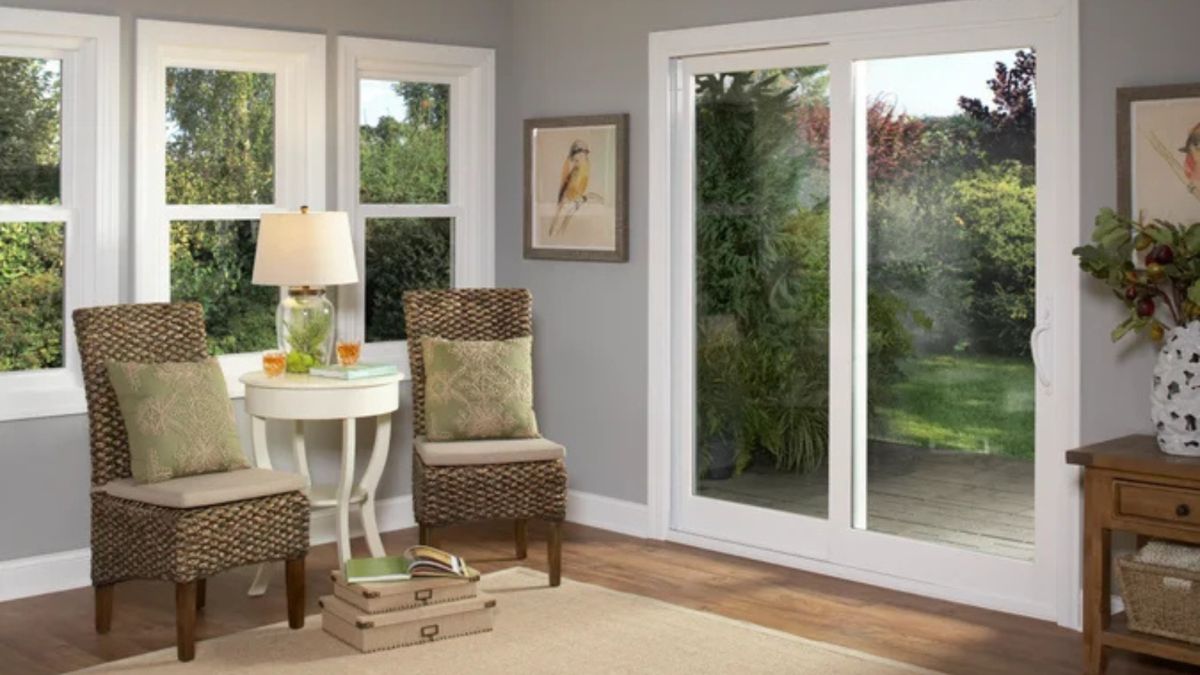
Patio door roller wear often starts quietly. The door may feel slightly harder to slide, make a new sound, or catch in one spot before the problem becomes obvious.
A frequently used patio door goes through hundreds of opening and closing cycles. Dirt, track damage, misalignment, and normal aging can add even more strain to the rollers.
Quick Summary
Patio door roller wear can result from frequent use, dirt, track damage, misalignment, and age. Resistance, grinding, uneven movement, and difficulty closing are common warning signs that the rollers or another part of the sliding system may need attention.
Why Do Patio Door Rollers Wear Out?
Rollers support the weight of a sliding patio door and allow it to move along its track. Every time the door opens or closes, the rollers and track experience another cycle of movement.
Heavy use can speed up wear when:
- The door is opened frequently throughout the day.
- Dirt and debris build up in the track.
- The track becomes damaged or uneven.
- The door is no longer properly aligned.
- The rollers have aged after years of use.
Heavy use is not always the only cause. It can simply make an existing problem easier to notice.
What Are the Signs of Patio Door Roller Wear?
A worn roller does not always fail suddenly. Changes in how the door moves are often the first clue.
Look for:
- More resistance: You need to push harder than before.
- Grinding or squeaking: New noises can indicate friction or debris.
- Uneven movement: The door catches or feels rough along the track.
- Wobbling: The door may not sit evenly while sliding.
- Closing problems: The door may not reach the frame without extra force.
These symptoms can also come from the track or alignment, so the rollers should not be blamed automatically.
How Does Heavy Use Affect a Patio Door?
The more often a patio door moves, the more work its rollers and track perform.
A busy household may use the door dozens of times each day. Over time, repeated movement can expose worn components or make a small alignment issue more noticeable.
Pay attention if the door:
- Gradually becomes harder to open
- Starts making unusual sounds
- Feels rough in certain areas
- Requires force to close
Do not keep forcing a door that is becoming difficult to operate. Extra pressure can place more strain on the operating components.
Can Cleaning the Track Help?
Sometimes. Dirt and debris can interfere with the rollers and make a patio door feel heavier or rougher than it should.
Clear visible debris from the track and test the door again. If it still sticks, grinds, or feels uneven, the problem may involve worn rollers, track damage, or misalignment.
Cleaning can improve movement, but it cannot restore a worn roller.
Does Patio Door Roller Wear Mean I Need a New Door?
Not necessarily.
If the rollers are the main problem and the rest of the patio door remains in good condition, the issue may be limited to the operating hardware.
Look at the condition of the entire door:
- Is the frame still in good shape?
- Does the door close and lock properly?
- Are there noticeable drafts?
- Is the glass clear and intact?
- Are other components showing significant wear?
When several problems appear together, replacing the patio door may make more sense than addressing one component at a time.
When Your Patio Door Becomes Hard to Slide
Patio door roller wear is easier to deal with when you catch it early. Increased resistance, unusual sounds, or uneven movement are all reasons to take a closer look.
At Window World of Philadelphia, we can assess your patio door, evaluate its condition, and help you understand your replacement options. We provide professional installation and Free In-Home Quotes for homeowners throughout the Philadelphia area.
Get a Free Quote and let us take a closer look at your patio door.
Frequently Asked Questions
-
Their lifespan varies with door weight, frequency of use, track condition, and maintenance. A heavily used patio door may experience roller wear sooner than one that is rarely opened.
-
Worn rollers are one possible cause, but dirt, track damage, and alignment problems can feel similar. If cleaning the track does not help, the door should be inspected.
-
Yes. Dirt and debris can increase friction and make the rollers work harder than they should. Keeping the track clean can help reduce unnecessary strain.
-
Not automatically. If the door, frame, glass, and other components are still in good condition, the problem may be limited to the operating hardware.
-
Roller replacement can involve handling a heavy sliding door and identifying the correct component. Professional evaluation can help determine whether the rollers are actually causing the problem.