

 Back to Blogs
Common Window Seal Failure Signs Pennsylvania Homeowners Shouldn't Ignore
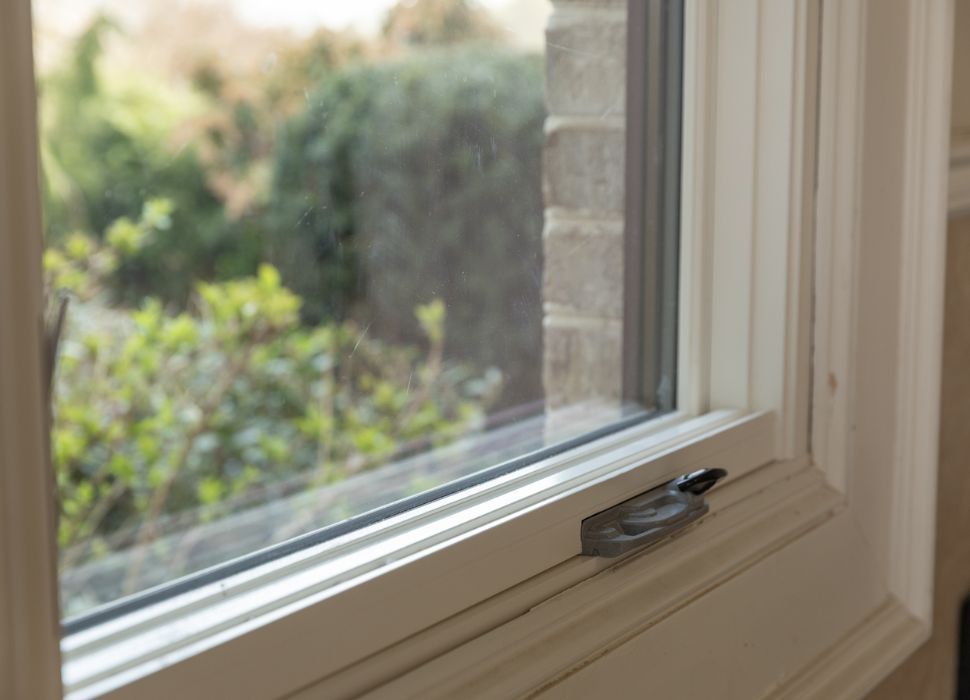
A window that looks fine from across the room can still be failing in places you can't see. Inside the glass, not on it, is often where the real problem starts. Learning to recognize early signs of window seal failure can help you understand what's happening with your windows before the issue affects comfort or energy costs. Here's what Pennsylvania homeowners should know.
What Is Window Seal Failure?
Most modern windows use an insulated glass unit, two or three panes of glass separated by a layer of insulating gas, usually argon, and sealed tightly around the edges. That seal keeps the gas in and outside air and moisture out.
What causes window seal failure? Over years of heating and cooling cycles, the seal gradually loses flexibility. Once it does, it can no longer hold the gas in place, and the window's insulating performance starts to decline.
Common Window Seal Failure Signs to Watch For
How do I know if my window seal is failing? A few signs tend to show up together, and recognizing them early makes a real difference.
- Persistent fog or haze between the panes that doesn't wipe away
- Visible moisture droplets trapped inside the glass
- A cloudy or distorted appearance when looking through the window
- Noticeable drafts near a closed window
- Rooms near the window feeling colder in winter or warmer in summer
- Rising energy bills without a clear explanation
Can window seal failure cause drafts? Yes. Once the seal breaks down, the window loses much of its ability to block outside air, which is one of the more common signs of window seal failure that homeowners notice through comfort changes rather than appearance alone.
Why These Signs Matter for Pennsylvania Homes
Pennsylvania's mix of cold winters and humid summers puts extra strain on window seals. Does cold weather cause window seals to fail faster? Repeated freeze-thaw cycles cause materials to expand and contract more dramatically than in milder climates, accelerating wear on aging seals.
Homes across our service area, including Philadelphia, Delaware County, and the surrounding counties, often see these signs first appear on older single- or double-pane windows that have been through many seasonal swings.
What Causes Window Seals to Fail
Several factors contribute to seal failure over time:
- Natural expansion and contraction of glass and frame materials
- General aging of the sealant and spacer materials
- Extended UV exposure on south- and west-facing windows
- Manufacturing or installation issues that shorten a seal's expected lifespan
Is window seal failure covered under warranty? Coverage depends on the manufacturer and the specific warranty terms for the original window.
What to Do When You Notice Window Seal Failure Signs
Should I replace a window with a failed seal? Once a seal has failed, the insulating gas is gone, and the moisture barrier is compromised. This isn't something that resolves on its own, and cleaning the glass will not restore its performance.
For homeowners noticing these signs, replacing the window restores both the insulating performance and the clear view that a failed seal deprives them of. Our "Signs It's Time to Replace Your Windows" article covers other warning signs to watch for alongside seal failure.
Choosing Replacement Windows Built for Pennsylvania Weather
New vinyl replacement windows from Window World of Philadelphia are available in double- and triple-pane options, with argon gas and Low-E coatings that provide consistent insulation year-round. Many of our windows are ENERGY STAR certified, and every window is backed by a Lifetime Limited Warranty for long-term peace of mind. Restrictions may apply; for complete details, contact Window World of Philadelphia.
If you're comparing options, our guide on why vinyl windows perform better explains how vinyl frames hold up against Pennsylvania's seasonal swings compared to other materials.
Conclusion
Catching window seal failure signs early, from persistent fog between the panes to a draft near a closed window, gives you the chance to address the issue before it affects your comfort or your energy bills.
If your windows are showing any of these signs, our team can take a look and walk you through your replacement options. Request a free quote and get a clear picture of what your windows need going into the next Pennsylvania season.
Frequently Asked Questions
-
Watch for fog or haze between the panes that won't wipe away, visible moisture trapped inside the glass, drafts, and rooms that feel colder or warmer than the rest of the home.
-
Once a seal fails, the insulating gas has escaped and cannot be restored. Replacing the window is the reliable way to bring back its original insulating performance.
-
Repeated freeze-thaw cycles and seasonal temperature swings cause greater expansion and contraction than in milder climates, which can wear down aging seals more quickly.
-
Not always. Surface condensation from indoor humidity can look similar, but fog trapped between the panes that never clears is a sign of true seal failure.
-
Replacement windows with intact seals, argon gas, and Low-E coatings help maintain consistent insulation, which can reduce the strain on your heating and cooling system.