

 Back to Blogs
Can Missing Roof Shingles Cause Hidden Structural Damage?
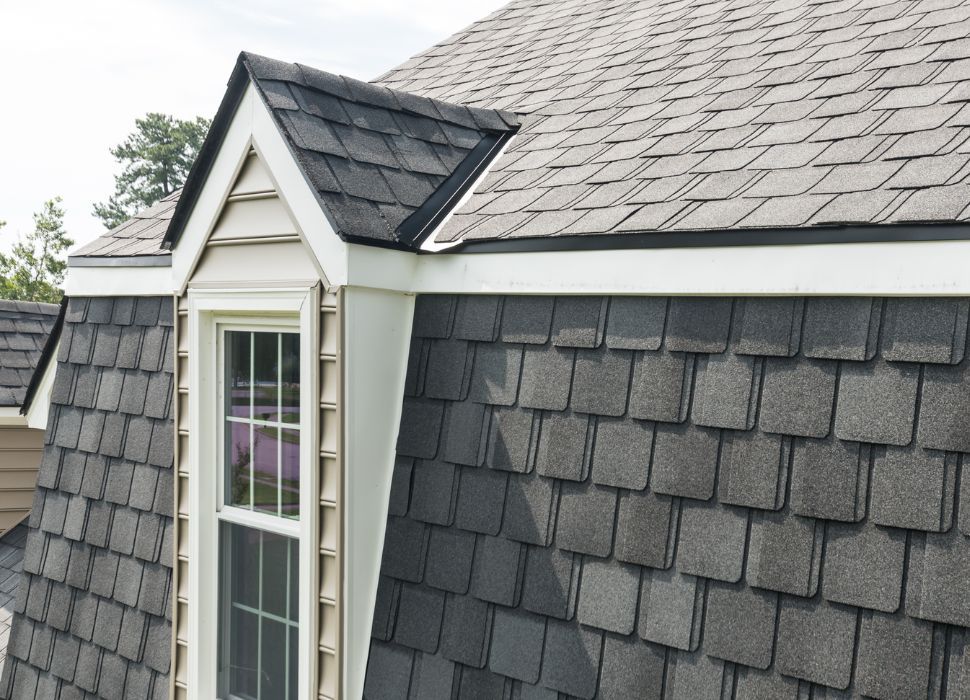
A missing shingle looks like a small problem from the driveway, but the roof deck underneath it is rarely as small an issue. Damage from missing roof shingles often starts quietly, well before a homeowner notices a leak or a stain on the ceiling. Here's how that damage develops and what it means for the structure underneath your roof.
How Missing Roof Shingles Damage Your Home Over Time
Can missing shingles cause structural damage? Yes. Once a shingle is gone, the roof deck beneath it, along with the underlayment protecting that deck, is exposed directly to rain, sun, and temperature swings it was never meant to face alone.
What Happens Once a Shingle Goes Missing
What happens when a shingle is missing? The underlayment beneath the shingle is a secondary barrier, not a permanent roofing surface. Left uncovered, it degrades faster under direct UV exposure and repeated wetting.
Once water reaches the plywood or OSB decking below, the wood begins to absorb moisture. Over repeated rain events, this can lead to swelling, softening, and eventually rot in that section of the deck. Homeowners should also understand how aging roof flashing leads to interior water damage, since worn or deteriorating flashing can create additional pathways for moisture to enter the home.
Common Causes of Missing Shingles
What causes shingles to go missing? A few conditions tend to be behind it:
- High winds lifting shingles that have lost adhesion or flexibility with age
- Hail impacts that crack or dislodge individual shingles.
- General aging, since shingles naturally lose their seal and grip over time
- Tree limbs or debris striking the roof during storms.
Signs the Damage Has Spread Beneath the Surface
How do I know if missing shingles have caused hidden damage? A few signs point to damage beyond the missing shingle itself:
- Water stains on ceilings or attic rafters, sometimes located away from the missing shingle.
- A soft or spongy feeling when the roof deck is pressed near the affected area
- Daylight visible through the roof boards from inside the attic
- A musty smell in the attic that suggests trapped moisture
Does water always show up directly below a missing shingle? Not necessarily. Water can travel along the underlayment or decking before reaching a seam or joint so the visible stain may appear some distance from the actual gap.
Why Acting Quickly Matters
How long can a roof go with a missing shingle? The exposed area is vulnerable the entire time it's left uncovered, and every additional rain event increases the chance that moisture has reached the decking rather than just the surface. This is one reason that damage from missing roof shingles tends to look minor from the ground while quietly worsening underneath.
What to Do When You Notice Missing Shingles
Should I replace just the missing shingles or the whole roof? If missing shingles appear on a roof that's already aging, shows granule loss, or has experienced damage in multiple areas, addressing one shingle at a time often doesn't resolve the underlying wear across the rest of the roof.
For homeowners in that situation, a full roof replacement removes the old materials down to the deck, allowing our team to inspect the structure underneath before installing the CertainTeed Integrity Roof System, which pairs shingles with waterproofing underlayment and ventilation designed to protect against the conditions that lead to missing or damaged shingles in the first place.
If you've also noticed curling or cracking on your shingles, our article on why roof shingles curl or crack on Philadelphia homes covers that related warning sign in more detail.
Conclusion
Damage from missing roof shingles rarely stays contained to the spot where a shingle came loose. Once the deck beneath it is exposed, moisture and weather can quietly affect the structure long before a leak becomes obvious inside your home.
If you've noticed missing or damaged shingles, a professional evaluation can tell you what's happening underneath. Request a free quote and find out what your roof needs before the next storm rolls through.
Frequently Asked Questions
-
Yes. Once a shingle is gone, the deck and underlayment beneath it are exposed to moisture and sun, which can lead to rot and weakened decking over time.
-
It depends on weather and exposure, but each rain event increases the risk that moisture has reached the decking rather than staying on the surface.
-
Occasional shingle loss can occur, especially after storms, but recurring or widespread loss usually indicates an aging roof nearing replacement.
-
It depends on the roof's overall condition. Widespread wear or damage in multiple areas often makes a full replacement the more lasting solution.
-
Not necessarily. A missing shingle creates exposure, but visible leaks may take time to appear or may show up elsewhere.